





AI in Ashoka Classrooms
Office of Academic Affairs hosts university-wide workshop on Generative AI and Pedagogy
 0
0 
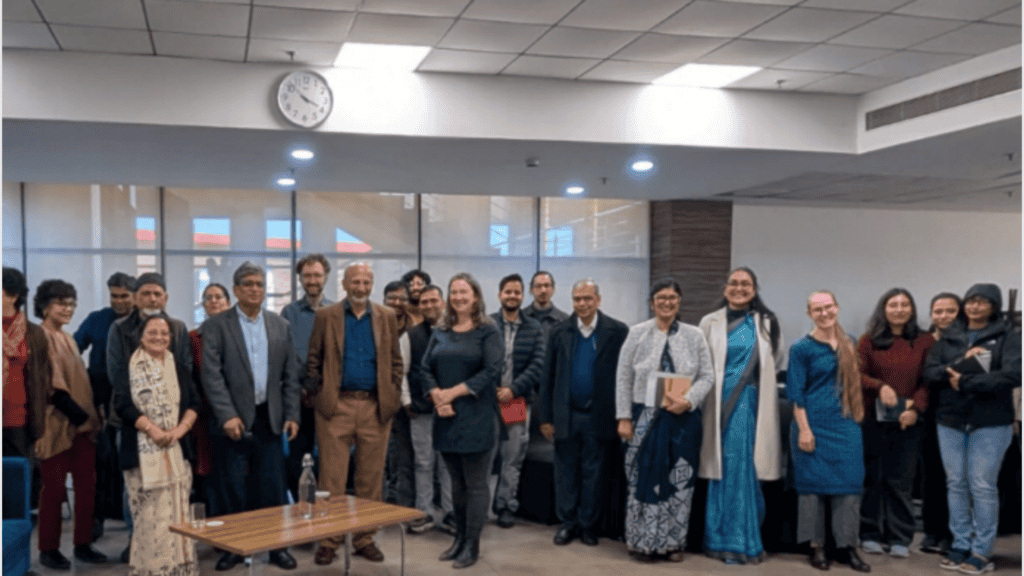
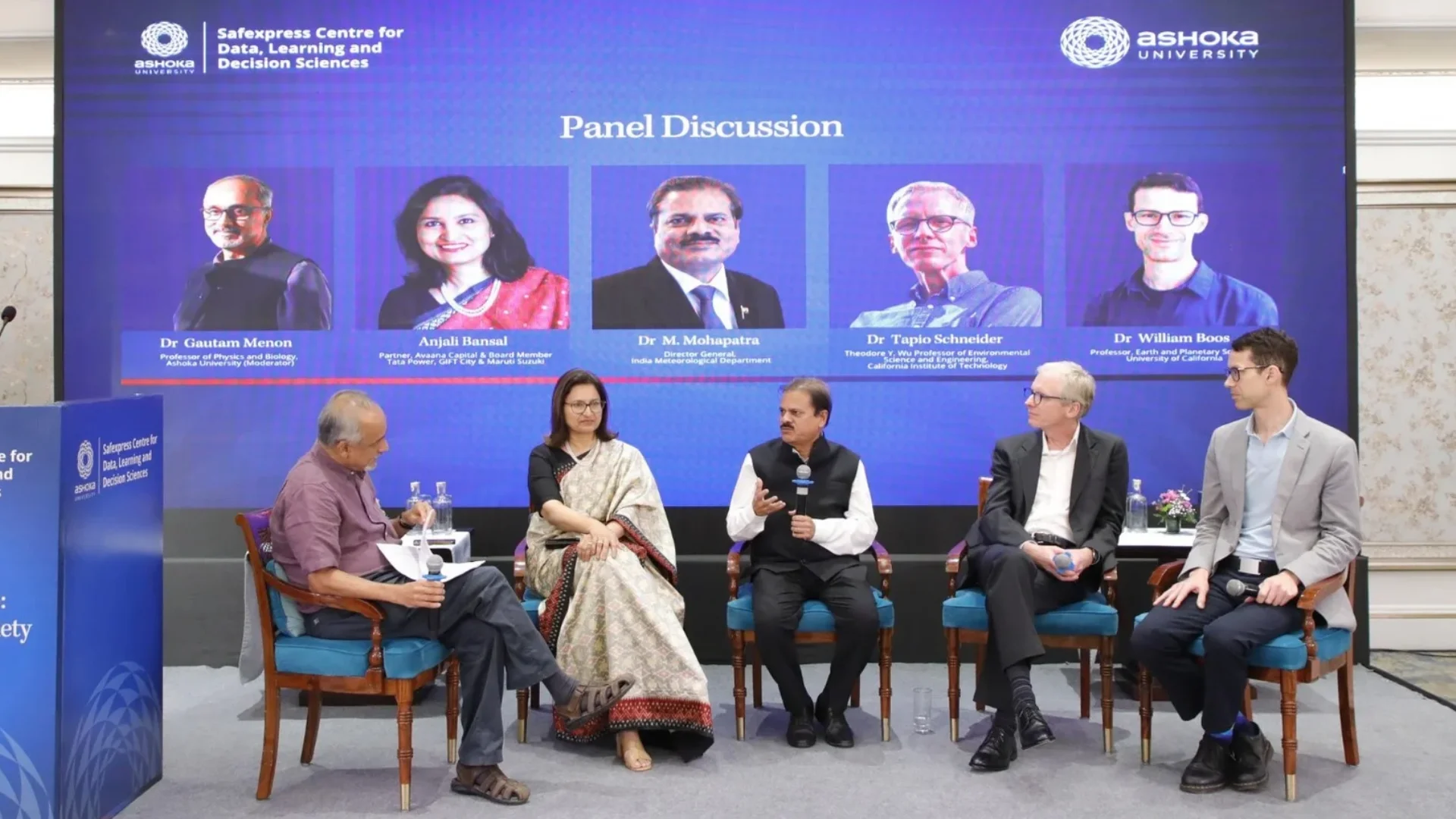
The Office of Academic Affairs (OAA) at Ashoka University organised a workshop titled ‘AI in Ashoka Classrooms’ on 29 January 2026. The workshop was designed to initiate a university-wide conversation on the growing impact of generative AI on teaching, learning, and assessment practices.
The session brought together faculty members from across disciplines to share experiences, concerns, and emerging pedagogical responses to AI use in classrooms. Discussions acknowledged that AI has become an inescapable part of students’ academic lives, raising pressing questions about academic integrity, assessment validity, and the nature of learning itself.
While some participants recognised that AI tools can enhance efficiency and improve written communication, many also noted that such tools often undermine essential learning processes. In particular, critical thinking skills , conceptual clarity, and the development of a personal academic voice could be constrained with unchecked use of AI by students.
Faculty members shared diverse strategies to address these challenges. Some reported discouraging or restricting AI use through handwritten assignments, oral examinations, in-class writing, quizzes, and presentations—placing greater emphasis on process rather than solely on final outputs.
Others described structured approaches to integrating AI into coursework, such as requiring prompt submissions, designing comparative assignments (with and without AI assistance), and encouraging critical evaluation of AI-generated content. Across disciplines, there was broad agreement that while AI may improve fluency and speed, it rarely by itself enhances depth of analysis or originality.
Participants also highlighted practical challenges arising from increased reliance on in-class assessments, including constraints related to time, classroom space, and faculty workload. The need for institutional support emerged as a key theme, with calls for clearer university-wide AI guidelines, approved AI-detection and feedback tools, AI-secure assessment spaces, subsidised course packs, and training for Teaching Fellows.
The workshop underscored the importance of balancing resistance and adaptation. While preparing students for AI-rich professional environments is essential, preserving spaces for slow thinking, reflective writing, and intellectual struggle remains central to the university’s pedagogical mission. The session concluded with a shared understanding that meaningful assessment in the age of AI requires not only new tools and policies but also renewed clarity about what universities value in student learning.
Launch of the Academic Accommodations Nodal Office (AANO) Framework on AMS
Strengthening Inclusive Academic Processes through Structured and Transparent Implementation.
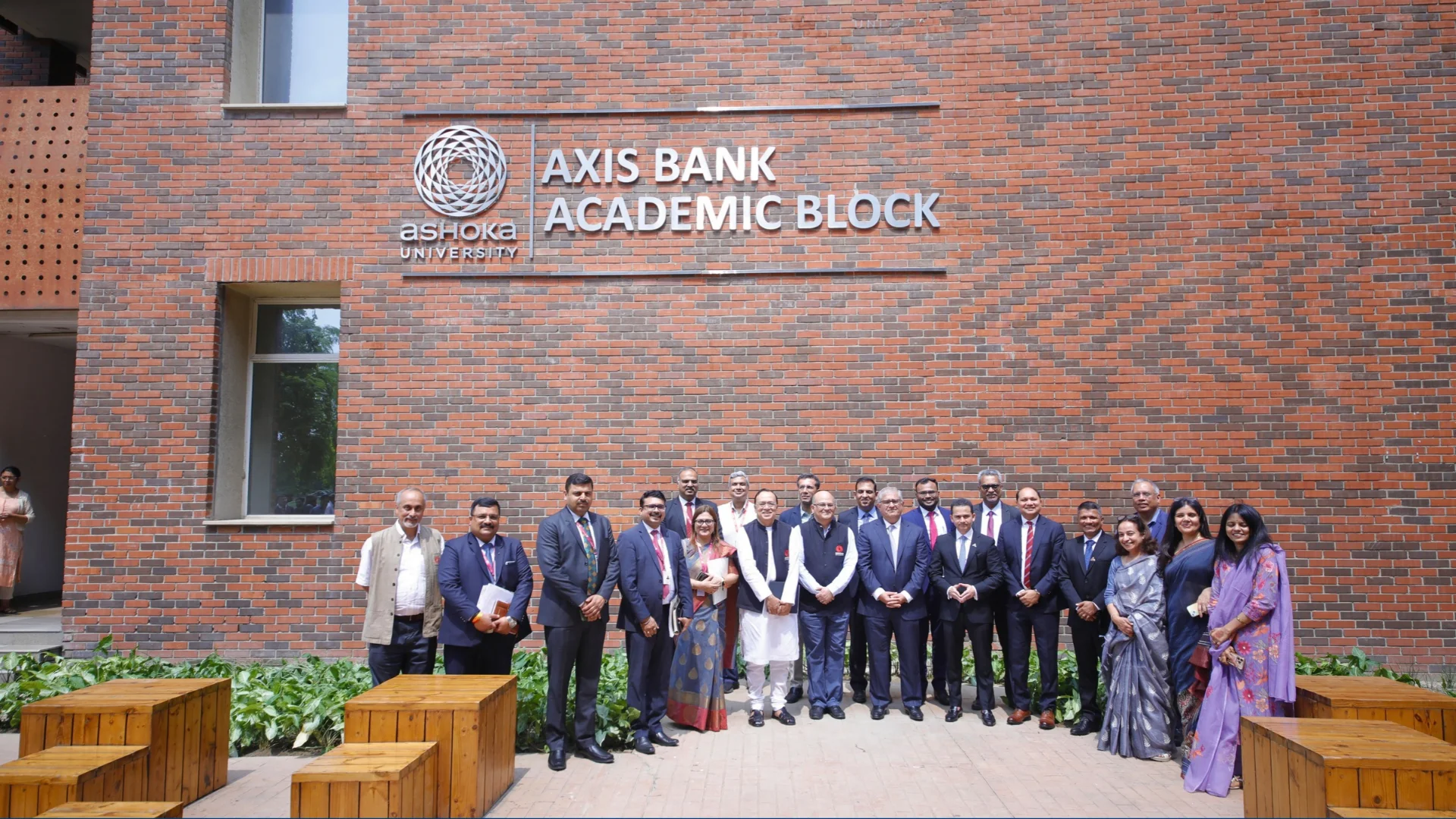
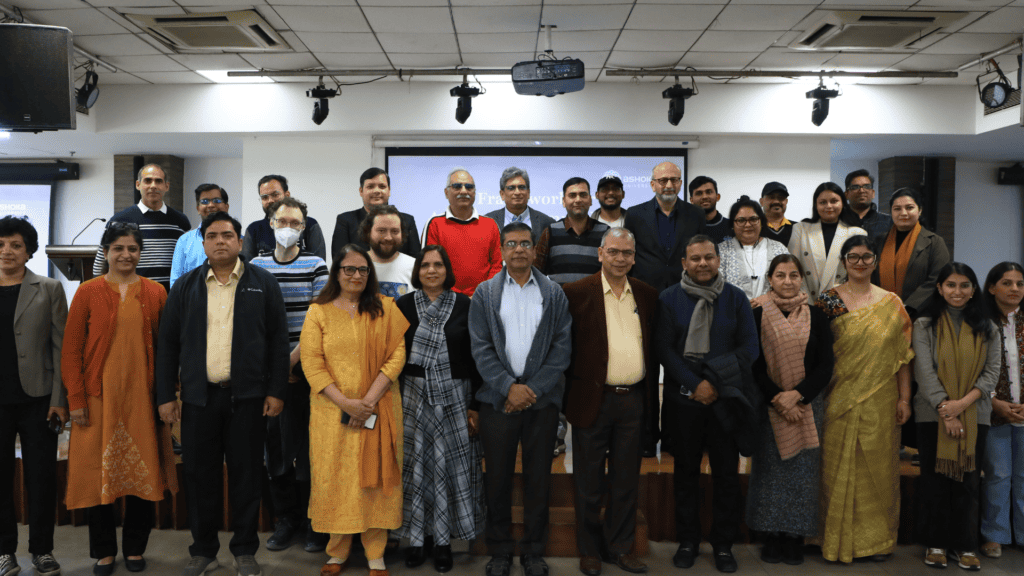
Ashoka University formally launched the Academic Accommodations Nodal Office (AANO) Framework on AMS on 11 February 2026. The initiative has been developed to ensure that academic accommodations are implemented across the University in a consistent, transparent, and structured manner, while upholding faculty autonomy and protecting student privacy.
The AANO Framework establishes a coordinated mechanism between students and faculty for facilitating verified academic accommodation inputs. Working through various Student Support Offices (SSOs) — including ACWB, OLS, CMO, OSA – Sports and CWC —the framework clearly separates the process of verification from academic decision-making.
This separation ensures that accommodation requests are standardised, credible, and communicated efficiently to faculty members, without altering course learning outcomes or grading standards.
The Vice Chancellor and the Dean of Academic Affairs underscored the University’s commitment to fostering an inclusive and academically rigorous environment. Mr. Vineet Gupta, whose vision inspired the Nodal Office Framework, graced the event with his presence. As the university expands, the AANO framework would help students in academic distress seek support.
They thanked the different SSOs, the Registrar’s Office, the OAA and the Systems team for getting together to create this framework. The launch of the AANO Framework marks an important institutional milestone in strengthening inclusive academic practices while maintaining the highest standards of academic excellence.