

WP_Query Object
(
[query] => Array
(
[post_type] => tribe_events
[posts_per_page] => 5
[post_status] => publish
[orderby] => Array
(
[post_date] => ASC
[tec_event_start_date] => ASC
)
[order] => DESC
[tax_query] => Array
(
[0] => Array
(
[taxonomy] => post_tag
[field] => term_id
[terms] => 2174
)
)
[meta_query] => Array
(
[tec_event_start_date] => Array
(
[key] => _EventStartDate
[compare] => EXISTS
)
[tec_event_end_date] => Array
(
[key] => _EventEndDate
[value] => 2026-08-05 16:21:12
[compare] => >=
[type] => DATETIME
)
)
)
[query_vars] => Array
(
[post_type] => tribe_events
[posts_per_page] => 5
[post_status] => publish
[orderby] => Array
(
[post_date] => ASC
[tec_event_start_date] => ASC
)
[order] => DESC
[tax_query] => Array
(
[0] => Array
(
[taxonomy] => post_tag
[field] => term_id
[terms] => 2174
)
)
[error] =>
[m] =>
[p] => 0
[post_parent] =>
[subpost] =>
[subpost_id] =>
[attachment] =>
[attachment_id] => 0
[name] =>
[pagename] =>
[page_id] => 0
[second] =>
[minute] =>
[hour] =>
[day] => 0
[monthnum] => 0
[year] => 0
[w] => 0
[category_name] =>
[tag] =>
[cat] =>
[tag_id] => 2174
[author] =>
[author_name] =>
[feed] =>
[tb] =>
[paged] => 0
[meta_key] =>
[meta_value] =>
[preview] =>
[s] =>
[sentence] =>
[title] =>
[fields] => all
[menu_order] =>
[embed] =>
[category__in] => Array
(
)
[category__not_in] => Array
(
)
[category__and] => Array
(
)
[post__in] => Array
(
)
[post__not_in] => Array
(
)
[post_name__in] => Array
(
)
[tag__in] => Array
(
)
[tag__not_in] => Array
(
)
[tag__and] => Array
(
)
[tag_slug__in] => Array
(
)
[tag_slug__and] => Array
(
)
[post_parent__in] => Array
(
)
[post_parent__not_in] => Array
(
)
[author__in] => Array
(
)
[author__not_in] => Array
(
)
[search_columns] => Array
(
)
[meta_query] => Array
(
[tec_event_start_date] => Array
(
[key] => _EventStartDate
[compare] => EXISTS
)
[tec_event_end_date] => Array
(
[key] => _EventEndDate
[value] => 2026-08-05 16:21:12
[compare] => >=
[type] => DATETIME
)
)
[ignore_sticky_posts] =>
[suppress_filters] =>
[cache_results] => 1
[update_post_term_cache] => 1
[update_menu_item_cache] =>
[lazy_load_term_meta] => 1
[update_post_meta_cache] => 1
[nopaging] =>
[comments_per_page] => 50
[no_found_rows] =>
)
[tax_query] => WP_Tax_Query Object
(
[queries] => Array
(
[0] => Array
(
[taxonomy] => post_tag
[terms] => Array
(
[0] => 2174
)
[field] => term_id
[operator] => IN
[include_children] => 1
)
)
[relation] => AND
[table_aliases:protected] => Array
(
[0] => wp_term_relationships
)
[queried_terms] => Array
(
[post_tag] => Array
(
[terms] => Array
(
[0] => 2174
)
[field] => term_id
)
)
[primary_table] => wp_posts
[primary_id_column] => ID
)
[meta_query] => WP_Meta_Query Object
(
[queries] => Array
(
[tec_event_start_date] => Array
(
[key] => _EventStartDate
[compare] => EXISTS
)
[tec_event_end_date] => Array
(
[key] => _EventEndDate
[value] => 2026-08-05 16:21:12
[compare] => >=
[type] => DATETIME
)
[relation] => AND
)
[relation] => AND
[meta_table] => wp_postmeta
[meta_id_column] => post_id
[primary_table] => wp_posts
[primary_id_column] => ID
[table_aliases:protected] => Array
(
[0] => wp_postmeta
[1] => mt1
)
[clauses:protected] => Array
(
[tec_event_start_date] => Array
(
[key] => _EventStartDate
[compare] => EXISTS
[compare_key] => =
[alias] => wp_postmeta
[cast] => CHAR
)
[tec_event_end_date] => Array
(
[key] => _EventEndDate
[value] => 2026-08-05 16:21:12
[compare] => >=
[type] => DATETIME
[compare_key] => =
[alias] => mt1
[cast] => DATETIME
)
)
[has_or_relation:protected] =>
)
[date_query] =>
[request] => SELECT SQL_CALC_FOUND_ROWS wp_posts.ID
FROM wp_posts LEFT JOIN wp_term_relationships ON (wp_posts.ID = wp_term_relationships.object_id) INNER JOIN wp_postmeta ON ( wp_posts.ID = wp_postmeta.post_id ) INNER JOIN wp_postmeta AS mt1 ON ( wp_posts.ID = mt1.post_id )
WHERE 1=1 AND (
wp_term_relationships.term_taxonomy_id IN (2179)
) AND (
wp_postmeta.meta_key = '_EventStartDate'
AND
( mt1.meta_key = '_EventEndDate' AND CAST(mt1.meta_value AS DATETIME) >= '2026-08-05 16:21:12' )
) AND wp_posts.post_type = 'tribe_events' AND ((wp_posts.post_status = 'publish'))
GROUP BY wp_posts.ID
ORDER BY wp_posts.post_date ASC, CAST(wp_postmeta.meta_value AS CHAR) ASC
LIMIT 0, 5
[posts] => Array
(
[0] => WP_Post Object
(
[ID] => 96143
[post_author] => 1
[post_date] => 2026-08-03 02:02:46
[post_date_gmt] => 2026-08-03 02:02:46
[post_content] => Title: An Integrative Preventive Wellbeing Intervention for Indian Athletes Using Indian Psychological Principles
Abstract: This research explores the holistic journey of Indian athletes through a mixed-methods design that centers on their lived experiences and personal narratives. Drawing on qualitative data gathered through in-depth interviews and narrative accounts, the study examines athletes' past experiences, challenges, and coping mechanisms within the high-performance sport environment. The integration of quantitative and qualitative approaches enabled a comprehensive understanding of the psychological and cultural dimensions shaping athlete wellbeing. A key finding underscores the relevance and effectiveness of grounding psychological interventions in Indian traditional systems particularly Ayurveda and indigenous spiritual practices which resonate deeply with athletes' cultural roots. The implications suggest that culturally congruent approaches prioritizing wellbeing over performance pressure offer a more sustainable and ethically aligned pathway for supporting Indian athletes' mental health and long-term development.
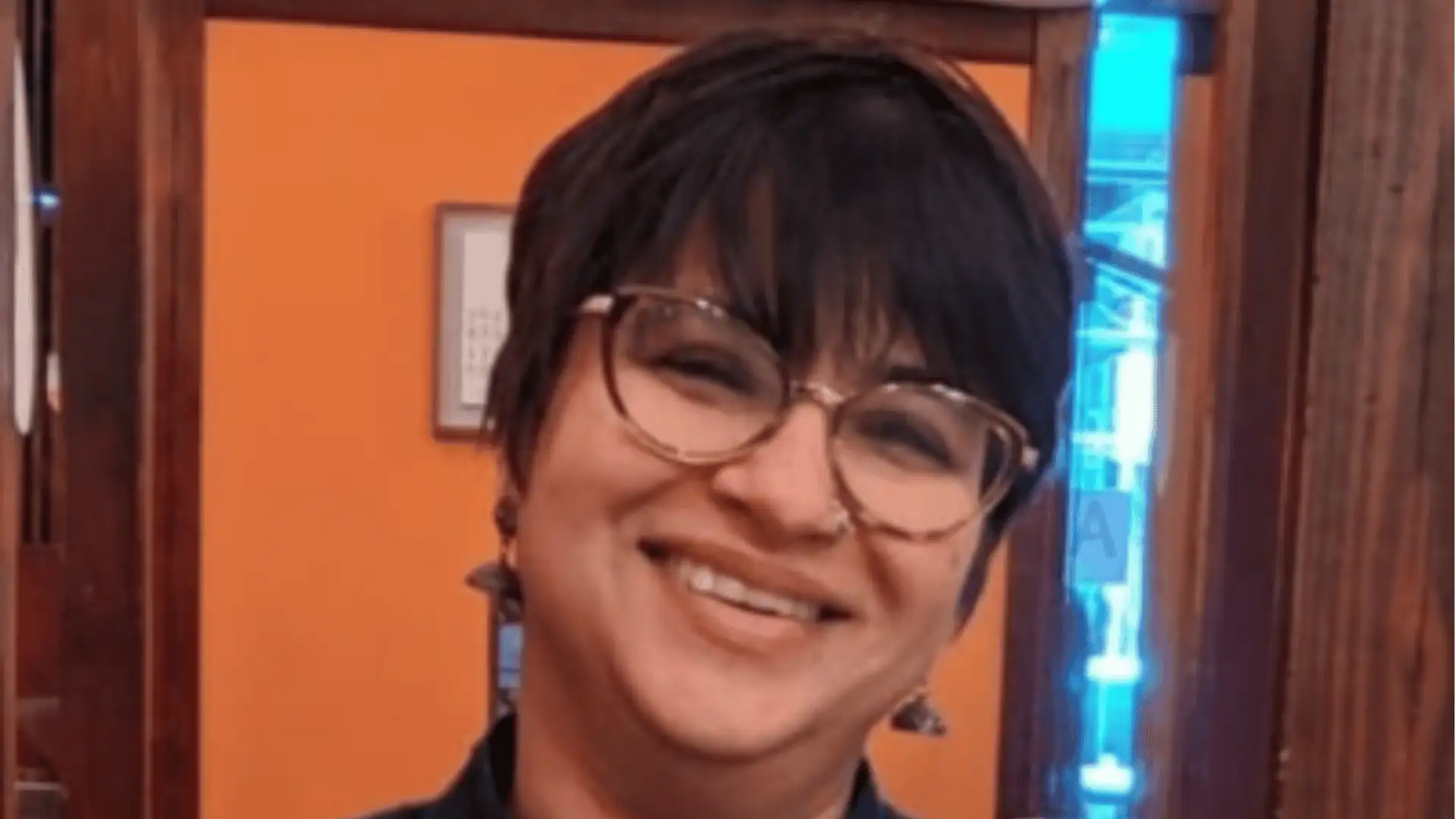
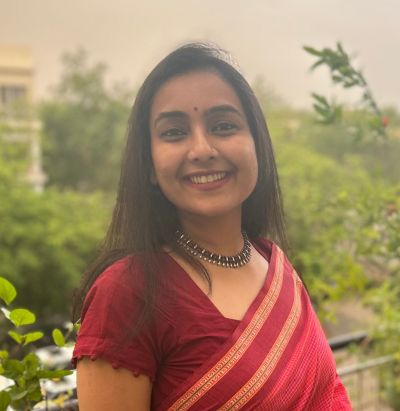
About the Author: Dr. Kashish Pandey is an author, counseling psychologist, mindfulness practitioner, and sports & exercise researcher with 4.5 years in academia as well as industry, blending research, teaching, and applied work with athletes and youth. Her Ph.D. examined psychological predictors of athletic performance, and she have published several papers in Scopus and Web of Science on grit, tenacity, and related variables that inform practical interventions for sport and clinical psychologists. She has served as Research Assistant at Manav Rachna Institute and most recently worked at IIT Delhi under Prof. (Dr.) Kamlesh Singh on an ICSSR-funded project; has also completed a seed-money study examining para-athletes’ personality and its impact on doping attitudes.
She believes in amalgamating ancient wisdom with modern practice drawing on yoga, mindfulness, and Indian healing traditions to design holistic interventions. She is a Hatha yoga sadhaka and delivered a Hatha Yoga workshop at Christ University, Bangalore. She has authored Filthy Feelings of Emptiness and have presented award-winning work at national and international conferences, including Best Paper Presenter (Manav Rachna, 2023), Best paper award (SPAI, Jaipur), Best Research Award (Mrcon 2024), Young Scholar Award (SAI, LNCPE 2023) and PhD topper in the research methodology (2022) respectively.
[post_title] => Psychology & Cognitive Sciences Seminar
[post_excerpt] =>
[post_status] => publish
[comment_status] => closed
[ping_status] => closed
[post_password] =>
[post_name] => psychology-cognitive-sciences-seminar
[to_ping] =>
[pinged] =>
[post_modified] => 2026-08-03 02:02:46
[post_modified_gmt] => 2026-08-03 02:02:46
[post_content_filtered] =>
[post_parent] => 0
[guid] => https://www.ashoka.edu.in?post_type=tribe_events&p=96143
[menu_order] => 0
[post_type] => tribe_events
[post_mime_type] =>
[comment_count] => 0
[filter] => raw
)
[1] => WP_Post Object
(
[ID] => 96145
[post_author] => 1
[post_date] => 2026-08-03 02:13:56
[post_date_gmt] => 2026-08-03 02:13:56
[post_content] => Abstract: How do individuals negotiate their identities within rapidly shifting cultural landscapes? This presentation outlines an evolving research trajectory situated at the intersection of identity and culture. Grounded in a social constructionist framework, this work explores how changing cultural paradigms actively shape personal identities, interpersonal behaviour, and intergroup processes. The talk begins by tracing the origins of this inquiry, focusing on my mixed-methods doctoral research titled “Understanding the Construction and Negotiation of Tibetan Refugee Identities in India”. I will specifically focus on one of the studies and highlight key findings that demonstrate the salience of national identity in refugees and the importance of studying minority groups. Building upon these foundations, this presentation will then map how this initial inquiry matured into two distinct but theoretically aligned research programs: Social identity and Polyculturalism. I will discuss ongoing projects that address these questions globally, utilizing multi-national datasets. By applying advanced analytical techniques, this phase of my research investigates the nature of culture and identity across diverse populations and myriad issues. Finally, I outline the path forward, detailing how these dual lines of research will contribute to the department’s methodological rigour and theoretical scope, while providing robust opportunities for graduate student mentorship and international collaboration.
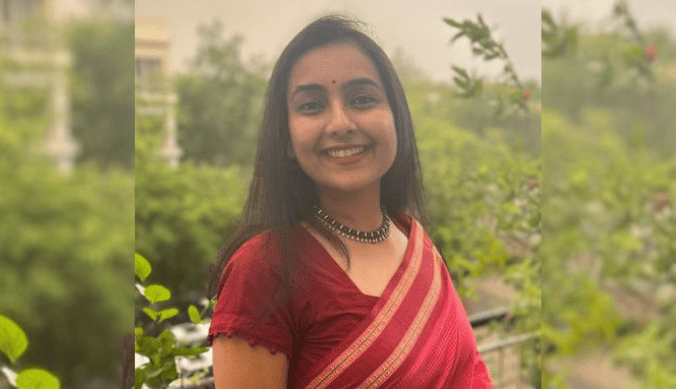
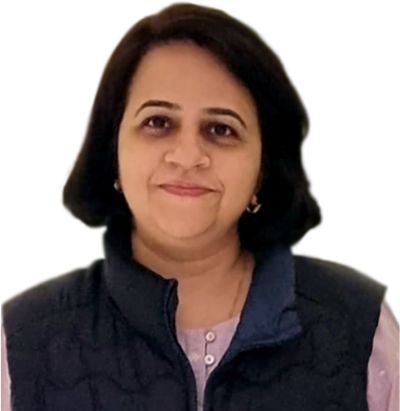
About the Speaker: Pallavi Ramanathan is currently an Assistant Professor of Psychology at FLAME University, Pune. She has completed her PhD in Social Psychology from IIT Delhi and her doctoral work is a mixed-method exploration of the Tibetan identity in exile through the processes of leadership and intergroup relations, with an emphasis on the social, political, and historical context. Her research lies broadly in the area of social, cultural, and political psychology, primarily focusing on social identity and the context. Pallavi has presented her work at various international conferences and has been awarded various grants and honours such as the Young Psychologist Award from the National Academy of Psychology India (2026), the Society for Personality and Social Psychology’s Community Catalyst Grant (2025), and the International Association for Cross Cultural Psychology’s SPARK Grant (2022; 2024). She also has several journal articles and book chapters to her credit.
[post_title] => Psychology and Cognitive Sciences Seminar
[post_excerpt] =>
[post_status] => publish
[comment_status] => closed
[ping_status] => closed
[post_password] =>
[post_name] => psychology-and-cognitive-sciences-seminar
[to_ping] =>
[pinged] =>
[post_modified] => 2026-08-03 02:13:56
[post_modified_gmt] => 2026-08-03 02:13:56
[post_content_filtered] =>
[post_parent] => 0
[guid] => https://www.ashoka.edu.in?post_type=tribe_events&p=96145
[menu_order] => 0
[post_type] => tribe_events
[post_mime_type] =>
[comment_count] => 0
[filter] => raw
)
[2] => WP_Post Object
(
[ID] => 96147
[post_author] => 1
[post_date] => 2026-08-03 02:16:47
[post_date_gmt] => 2026-08-03 02:16:47
[post_content] => Abstract: This talk presents an overview of my research at the intersection of cognitive neuroscience, clinical neuroscience, and multimodal neuroimaging, with a particular focus on aging-related brain changes and their impact on behavior. Aging is associated with progressive alterations in brain structure, connectivity, vascular regulation, and network dynamics, which may contribute to cognitive decline, reduced motor control, and functional disabilities such as tremor.
Using multimodal neuroimaging approaches, including functional MRI, structural MRI, diffusion imaging, resting-state connectivity, and brain network analyses, my work examines how the aging brain responds to both lifestyle-based and clinical interventions. I will discuss studies on meditation and physical activity as approaches to support brain health, cognition, and healthy aging, followed by my work on MR-guided focused ultrasound thalamotomy for essential tremor as a model of targeted neuromodulation.Together, these studies demonstrate how multimodal neuroimaging can be used to understand aging processes, map brain reorganization, and identify mechanisms through which interventions may reduce functional disability or improve brain health. I will conclude by outlining future research directions focused on yoga and meditation, non-invasive neuromodulation,
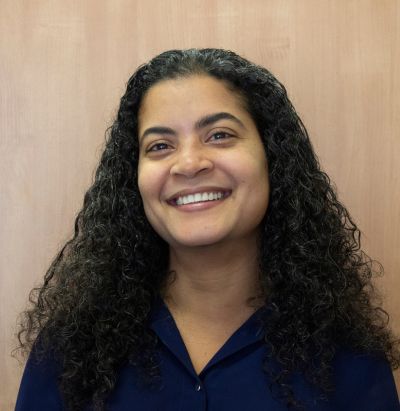
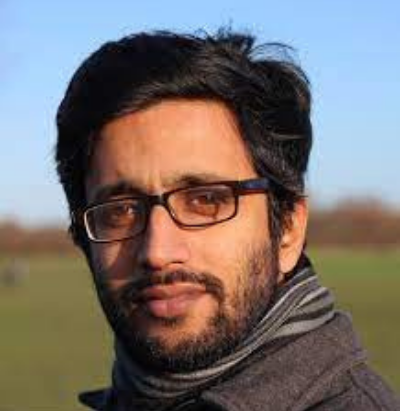
About the Speaker: Dr. Neeraj Upadhyay is a Staff Scientist at the Clinical Functional Imaging Lab, Department of Nuclear Medicine, University Hospital Bonn, Germany. His research lies at the intersection of cognitive neuroscience, clinical neuroscience, and advanced neuroimaging, with a central focus on brain plasticity and network reorganization following therapeutic interventions.
He completed his Habilitation in Neuroscience at the University of Bonn, Germany, one of the highest postdoctoral academic qualifications in the German university system and a formal recognition of independent research and teaching competence. He earned his Ph.D. in Clinical and Experimental Neuroscience and Psychiatry from Sapienza University of Rome, Italy. Prior to this, he completed a Bachelor’s and Master’s dual degree in Cognitive Science and Neuroscience from the University of Rajasthan, India, with distinction.
His current work uses multimodal neuroimaging, including functional MRI, structural MRI, diffusion imaging, and brain connectivity analyses, to examine how the human brain responds to interventions such as MR-guided focused ultrasound, aerobic exercise, yoga, meditation, and non-invasive neuromodulation. Dr. Upadhyay has authored more than 35 peer-reviewed publications in journals including Journal of Neurology, Neurosurgery & Psychiatry, Movement Disorders, Brain Stimulation, and Communications Biology. He is actively involved in teaching and mentoring graduate, medical, and Ph.D. students, and serves as an editor for Frontiers in Radiology.
[post_title] => Psychology and Cognitive Sciences Seminar
[post_excerpt] =>
[post_status] => publish
[comment_status] => closed
[ping_status] => closed
[post_password] =>
[post_name] => psychology-and-cognitive-sciences-seminar
[to_ping] =>
[pinged] =>
[post_modified] => 2026-08-03 02:16:47
[post_modified_gmt] => 2026-08-03 02:16:47
[post_content_filtered] =>
[post_parent] => 0
[guid] => https://www.ashoka.edu.in?post_type=tribe_events&p=96147
[menu_order] => 0
[post_type] => tribe_events
[post_mime_type] =>
[comment_count] => 0
[filter] => raw
)
[3] => WP_Post Object
(
[ID] => 96149
[post_author] => 1
[post_date] => 2026-08-03 02:18:57
[post_date_gmt] => 2026-08-03 02:18:57
[post_content] => Abstract: Successful engagement with the physical world involves perceiving the underlying structure, predicting how things unfold, and planning actions accordingly. This rich understanding and reasoning about our physical environment, or ‘intuitive physics’, develops early in infancy and is a core component of human cognition. While it seems easy for us to understand and navigate unfamiliar situations in the physical world, current machine learning systems are still far from achieving human-like generalizable performance. Can we look to the human brain for potential solutions? In this talk, I will present: i) a set of non-invasive neuroimaging (functional Magnetic Resonance Imaging or fMRI) studies characterizing the brain basis of physical reasoning in humans, ii) the first single-neuron level evidence for physical reasoning in the human brain using intracranial recordings, and iii) ongoing work benchmarking latest AI models on various physical reasoning tasks. Together, the results and methodology will help in not only understanding the neural mechanisms of physical reasoning but also discovering ways to bridge the reasoning gap between humans and AI.
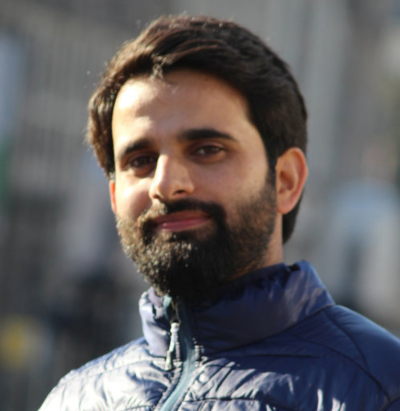
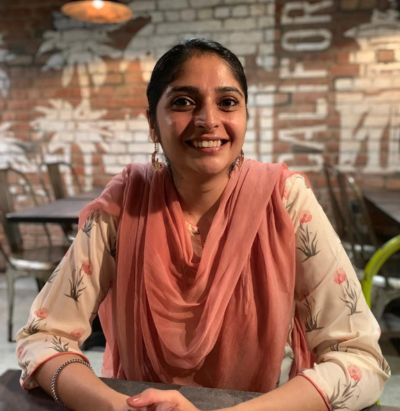
About the Speaker: RT Pramod is a computational cognitive neuroscientist at Massachusetts Institute of Technology whose research explores the neural and computational basis of physical scene understanding and reasoning. His work combines behavioral experiments, computational modeling and neuroimaging to understand human cognition. Pramod obtained his Ph.D. from the Indian Institute of Science (IISc) working on compositional representations underlying visual object perception. His research interests include visual perception, intuitive physics, human and machine cognition.
[post_title] => Psychology and Cognitive Sciences Seminar
[post_excerpt] =>
[post_status] => publish
[comment_status] => closed
[ping_status] => closed
[post_password] =>
[post_name] => psychology-and-cognitive-sciences-seminar
[to_ping] =>
[pinged] =>
[post_modified] => 2026-08-03 02:18:57
[post_modified_gmt] => 2026-08-03 02:18:57
[post_content_filtered] =>
[post_parent] => 0
[guid] => https://www.ashoka.edu.in?post_type=tribe_events&p=96149
[menu_order] => 0
[post_type] => tribe_events
[post_mime_type] =>
[comment_count] => 0
[filter] => raw
)
)
[post_count] => 4
[current_post] => -1
[before_loop] => 1
[in_the_loop] =>
[post] => WP_Post Object
(
[ID] => 96143
[post_author] => 1
[post_date] => 2026-08-03 02:02:46
[post_date_gmt] => 2026-08-03 02:02:46
[post_content] => Title: An Integrative Preventive Wellbeing Intervention for Indian Athletes Using Indian Psychological Principles
Abstract: This research explores the holistic journey of Indian athletes through a mixed-methods design that centers on their lived experiences and personal narratives. Drawing on qualitative data gathered through in-depth interviews and narrative accounts, the study examines athletes' past experiences, challenges, and coping mechanisms within the high-performance sport environment. The integration of quantitative and qualitative approaches enabled a comprehensive understanding of the psychological and cultural dimensions shaping athlete wellbeing. A key finding underscores the relevance and effectiveness of grounding psychological interventions in Indian traditional systems particularly Ayurveda and indigenous spiritual practices which resonate deeply with athletes' cultural roots. The implications suggest that culturally congruent approaches prioritizing wellbeing over performance pressure offer a more sustainable and ethically aligned pathway for supporting Indian athletes' mental health and long-term development.
About the Author: Dr. Kashish Pandey is an author, counseling psychologist, mindfulness practitioner, and sports & exercise researcher with 4.5 years in academia as well as industry, blending research, teaching, and applied work with athletes and youth. Her Ph.D. examined psychological predictors of athletic performance, and she have published several papers in Scopus and Web of Science on grit, tenacity, and related variables that inform practical interventions for sport and clinical psychologists. She has served as Research Assistant at Manav Rachna Institute and most recently worked at IIT Delhi under Prof. (Dr.) Kamlesh Singh on an ICSSR-funded project; has also completed a seed-money study examining para-athletes’ personality and its impact on doping attitudes.
She believes in amalgamating ancient wisdom with modern practice drawing on yoga, mindfulness, and Indian healing traditions to design holistic interventions. She is a Hatha yoga sadhaka and delivered a Hatha Yoga workshop at Christ University, Bangalore. She has authored Filthy Feelings of Emptiness and have presented award-winning work at national and international conferences, including Best Paper Presenter (Manav Rachna, 2023), Best paper award (SPAI, Jaipur), Best Research Award (Mrcon 2024), Young Scholar Award (SAI, LNCPE 2023) and PhD topper in the research methodology (2022) respectively.
[post_title] => Psychology & Cognitive Sciences Seminar
[post_excerpt] =>
[post_status] => publish
[comment_status] => closed
[ping_status] => closed
[post_password] =>
[post_name] => psychology-cognitive-sciences-seminar
[to_ping] =>
[pinged] =>
[post_modified] => 2026-08-03 02:02:46
[post_modified_gmt] => 2026-08-03 02:02:46
[post_content_filtered] =>
[post_parent] => 0
[guid] => https://www.ashoka.edu.in?post_type=tribe_events&p=96143
[menu_order] => 0
[post_type] => tribe_events
[post_mime_type] =>
[comment_count] => 0
[filter] => raw
)
[comment_count] => 0
[current_comment] => -1
[found_posts] => 4
[max_num_pages] => 1
[max_num_comment_pages] => 0
[is_single] =>
[is_preview] =>
[is_page] =>
[is_archive] => 1
[is_date] =>
[is_year] =>
[is_month] =>
[is_day] =>
[is_time] =>
[is_author] =>
[is_category] =>
[is_tag] => 1
[is_tax] =>
[is_search] =>
[is_feed] =>
[is_comment_feed] =>
[is_trackback] =>
[is_home] =>
[is_privacy_policy] =>
[is_404] =>
[is_embed] =>
[is_paged] =>
[is_admin] =>
[is_attachment] =>
[is_singular] =>
[is_robots] =>
[is_favicon] =>
[is_posts_page] =>
[is_post_type_archive] => 1
[query_vars_hash:WP_Query:private] => 277f19f5b61927a06aed81c1845d222a
[query_vars_changed:WP_Query:private] => 1
[thumbnails_cached] =>
[allow_query_attachment_by_filename:protected] =>
[stopwords:WP_Query:private] =>
[compat_fields:WP_Query:private] => Array
(
[0] => query_vars_hash
[1] => query_vars_changed
)
[compat_methods:WP_Query:private] => Array
(
[0] => init_query_flags
[1] => parse_tax_query
)
[query_cache_key:WP_Query:private] => wp_query:92bd825552c469023a006e3a08875a08
[tribe_is_event] => 1
[tribe_is_multi_posttype] =>
[tribe_is_event_category] =>
[tribe_is_event_venue] =>
[tribe_is_event_organizer] =>
[tribe_is_event_query] => 1
[tribe_is_past] =>
)