





An RA-to-RA Mentor Conversation
What does it truly mean to be part of the RA programme?
 1
1

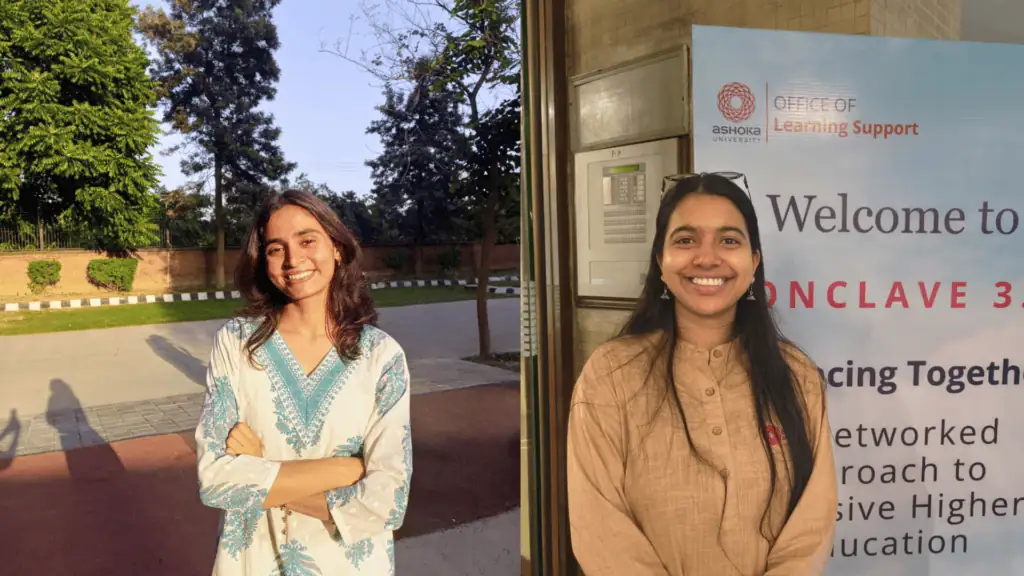
In this candid conversation, Vaishnavi, a Resident Assistant (RA), sits down with Shikha, an RA Mentor, to reflect on the realities behind the role, balancing responsibilities, building meaningful relationships, and finding purpose along the way.
From unexpected moments of joy to navigating challenges like academic pressure and emotional support, this exchange offers an honest glimpse into how the RA experience shapes both personal and collective growth.
Vaishnavi (RA): When you first stepped into the role of an RA, what did you imagine it would be like? And once you actually began, what ended up surprising you the most?
Shikha (RA Mentor): When I first became an RA, I thought the role would be very serious and quite time-consuming—with social hours, office hours, meetings, floor events, and more. It felt like a lot to handle. But once I actually started, I found myself really enjoying it.
Surprisingly, my academics improved, and I was able to give them more quality time. Organising events, hosting office hours, and engaging with people became something I genuinely looked forward to. In a way, it also became time I was giving to myself. Through conversations and social interactions, I often found clarity for my own thoughts. That was the biggest surprise, what seemed like work started to feel light, enjoyable, and even energising.
Vaishnavi: That’s really interesting, and honestly, very relatable. Building on that, what would you say is something RAs and RA mentors do that often goes unnoticed, but actually makes a big difference?
Shikha: I think office hours and social hours are incredibly important, even though they’re often overlooked. Students are busy with academics and co-curriculars, so they may miss these spaces.
But these are the moments where real connection happens. RAs act as personal guides, we’re approachable, available, and ready to help with anything, often at any time. If students actively use these spaces, they can gain a lot of clarity and support, not just academically but in all aspects of their lives.
Vaishnavi: Was there ever a moment during your journey when you truly felt like you had made a difference in someone’s life?
Shikha: Yes, this is something very close to me. Last semester, one of my mentees, who is also a friend, was going through a mental health crisis. Before I became her mentor, she had never shared these things with me, or even with her family.
But when I stepped into the mentor role, she felt comfortable enough to open up. After we spoke, she cried, and we hugged. Seeing someone trust you like that—and feel lighter after talking—was incredibly meaningful.
Beyond that, many of my mentees have told me that regular check-ins, encouragement, and feedback help them stay motivated. Moments like these remind me that this work truly matters.
Vaishnavi: Hearing that, I’m curious, how do you personally navigate being there for others while also managing your own academics and stress?
Shikha: For me, balance is key. When I feel overwhelmed, I take breaks, journaling, listening to music, dancing, or simply talking to myself. If that’s not enough, I reach out to peers who might be going through something similar. Even during breaks, I stay connected to my role. Talking to mentees often helps me too, I realise we’re all navigating similar challenges. Helping others gives me optimism and, in a way, helps me find my own answers.
Vaishnavi: That balance sounds really important. On the flip side, what has been one of the more challenging aspects of being an RA that people don’t talk about enough?
Shikha: Managing sleep can be challenging, especially with late-night emergencies. You might have to attend to residents or coordinate with wardens at odd hours.
But I’ve learned that planning and clear communication can really help. In my second semester, I managed to maintain a good sleep schedule while still handling responsibilities effectively.
Vaishnavi: And over time, as you moved from being an RA to an RA mentor, how has that journey shaped the way you see yourself today?
Shikha: It’s made me a lot more grateful. Every day, I feel thankful—even for the simplest things. When you get the chance to make even a small impact in someone’s life, it changes your perspective.
I’ve also become more disciplined and better at time management. I make to-do lists daily and try to be punctual. Beyond that, I’ve developed confidence, leadership, and optimism.
Most importantly, I’ve become more patient and empathetic. You learn to see things from others’ perspectives, especially when people don’t directly express their struggles. That ability to understand and support others has been one of the most valuable takeaways.
Vaishnavi: In just one sentence, what does being part of the RA program mean to you now?
Shikha: It means growing alongside others, helping people while also finding answers for myself, and feeling genuinely grateful through the process.
Vaishnavi: And finally, as you get ready to graduate, if you had the chance to go back and do it all over again, would you?
Shikha: Definitely. Now I understand not just the role, but also my own abilities much better. I think I would enjoy it even more the second time—with more creativity and new ideas to bring to the program.
So yes, I would absolutely do it again.