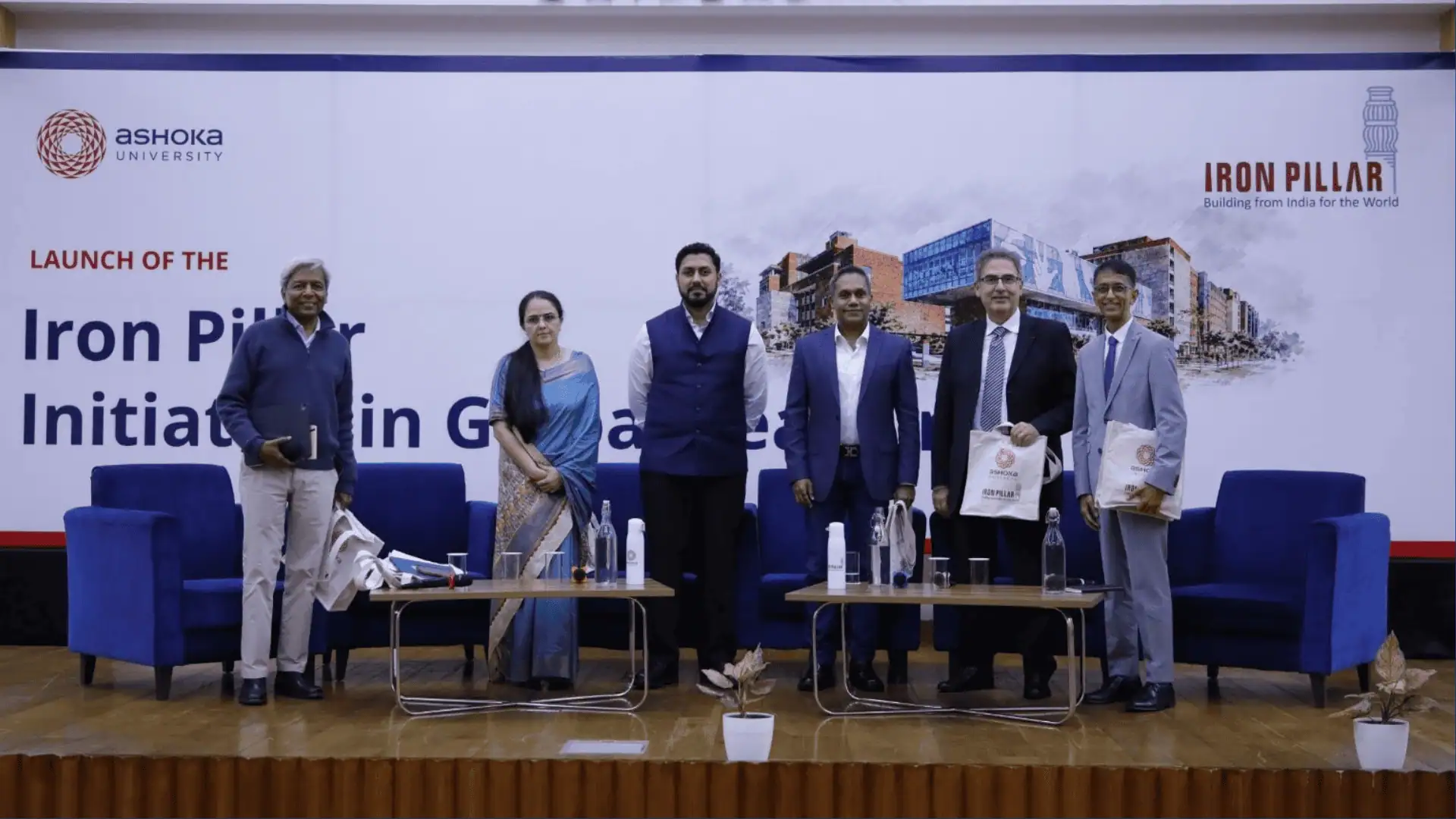






Ashoka at AI Impact Summit 2026
Several Ashoka University faculty members and students from across departments and research centres participated in the India AI Impact Summit 2026, bringing together diverse perspectives.
 0
0 
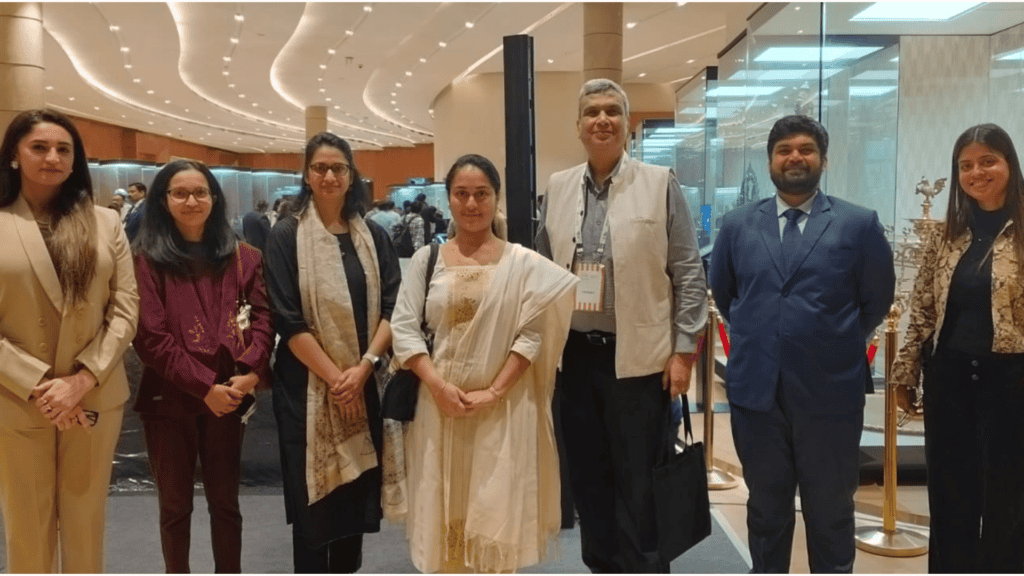
The India AI Impact Summit 2026, the world’s most consequential gathering on artificial intelligence, held at Bharat Mandapam, New Delhi, from 16 to 20 February will be remembered as a defining inflection point in the global conversation on responsible AI.
Organised under the IndiaAI Mission by the Ministry of Electronics and Information Technology and inaugurated by Prime Minister Narendra Modi, the Summit drew heads of state, technology leaders, researchers, and policymakers from over 100 countries.
Several Ashoka University faculty members and students from across departments and research centres participated in the summit, bringing together diverse perspectives. The Koita Centre for Digital Health at Ashoka University (KCDH-A) was one such centre that played a key role at the summit, shaping discussions on the panel floor, contributing to national policy conversations, and showcasing research that is quietly transforming healthcare on the ground.
Articulating the Stakes of AI in Health
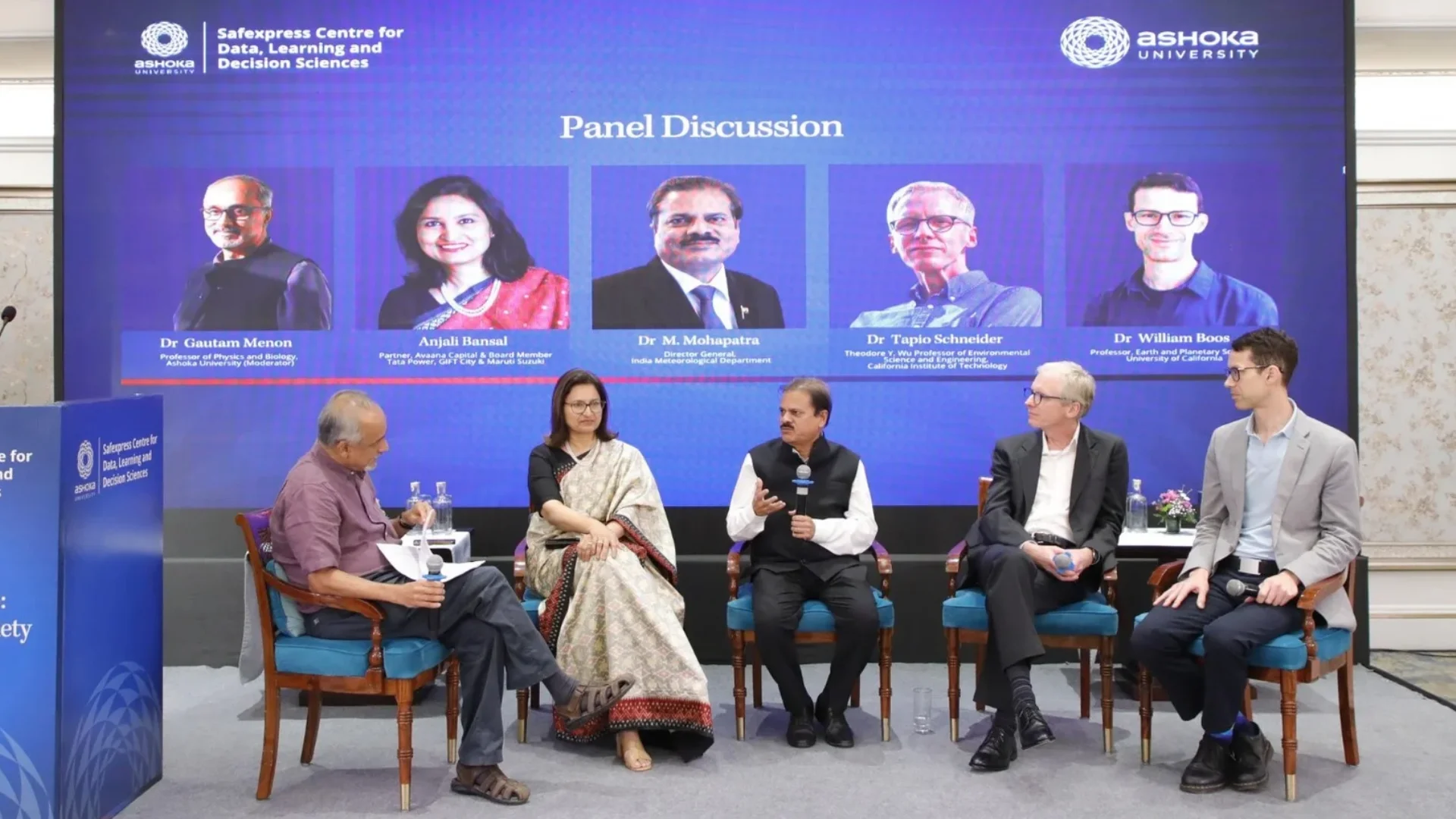
Professor Anurag Agrawal, Head of the Koita Centre for Digital Health at Ashoka University and Dean of the Trivedi School of Biosciences, was a speaker on the panel Workforce Readiness for Artificial Intelligence in Primary Healthcare, organised as part of the IndiaAI Mission’s core health programme on 18 February. The discussion drew together leaders from government, global institutions, and academia to confront a deceptively simple question: as AI reshapes which clinical skills are valorised, are health systems adequately preparing the humans within them?
Professor Agrawal pressed the audience on the fundamental issue of resilience. Healthcare workers, he argued, must be empowered to use AI to become the most productive version of themselves and yet must retain the ability to function when digital tools fail. Across all engagements, his was a voice that elevated the conversation from technical possibility to human accountability.
A National Strategy Takes Shape: The Launch of SAHI
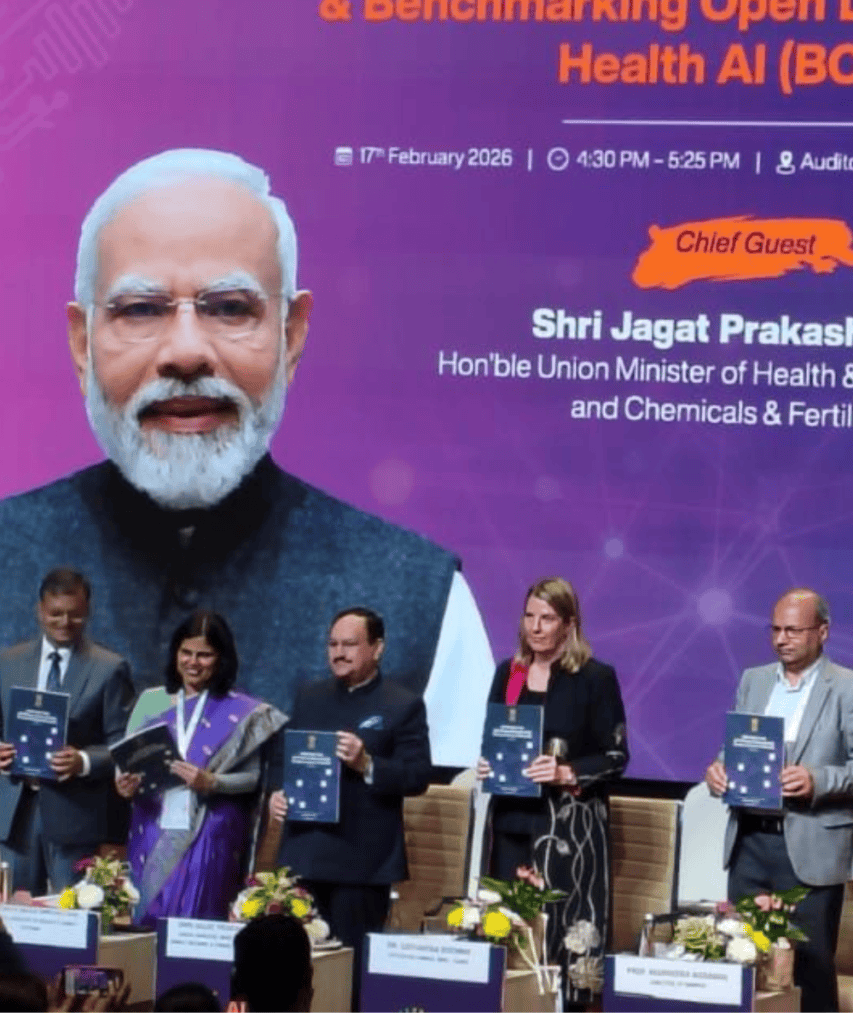
One of the Summit’s most consequential moments came on 17 February, when Union Health Minister Jagat Prakash Nadda formally launched SAHI, the Strategy for Artificial Intelligence in Healthcare for India, alongside BODH, the Benchmarking Open Data Platform for Health AI, developed by IIT Kanpur in partnership with the National Health Authority. SAHI positions itself not merely as a technology roadmap but as a governance framework for the responsible integration of AI into India’s health system, encompassing ethics, data stewardship, regulatory mechanisms, clinical validation, and interoperability. KCDH-A’s sustained engagement with precisely these questions through the RAISE dialogues, through years of interdisciplinary research on equity in AI performance, and through its collaboration with WHO SEARO placed the Centre among the academic institutions whose intellectual work helped shape the terrain from which SAHI emerged.
A New Oncology Partnership of National Significance
Dr Rajiv Bahl, Director General of the Indian Council of Medical Research (ICMR), announced a major collaboration between IndiaAI, the National Cancer Grid India, the Koita Centre for Digital Oncology (KCDO), IIT Bombay, Koita Centre for Digital Health, Ashoka University, and the ICMR-National Institute for Research in Digital Health and Data Science.
This landmark announcement at the Summit highlighted just how seriously India’s scientific establishment is taking the challenge of responsible AI in high-stakes medicine. The partnership is designed to enable rigorous evaluation and development of AI models in oncology, and to create pathways through which validated AI products can be made available for use in clinical practice.
This collaboration will function as a national resource for the design and conduct of evaluation studies, providing technical oversight and demonstrating clear validation pathways for AI solutions in cancer care.
Working alongside the Ministry of Health, ICMR, the Central Drugs Standard Control Organization, and the Department of Health and Family Welfare, the partners will bring together clinical domain expertise, AI research capability, regulatory know-how, and implementation experience precisely the multidisciplinary combination that responsible AI deployment in oncology demands.
MOOVE India at the Swissnex Booth: A Global Collaboration on Display
The India AI Impact Expo, spread across more than 70,000 square metres at Bharat Mandapam, hosted thirteen country pavilions representing international collaboration in the AI ecosystem. Among the most notable was the presence of Switzerland, whose participation in the Summit was further underscored by Swiss President Guy Parmelin’s announcement that Geneva will host the next global AI Summit in 2027.
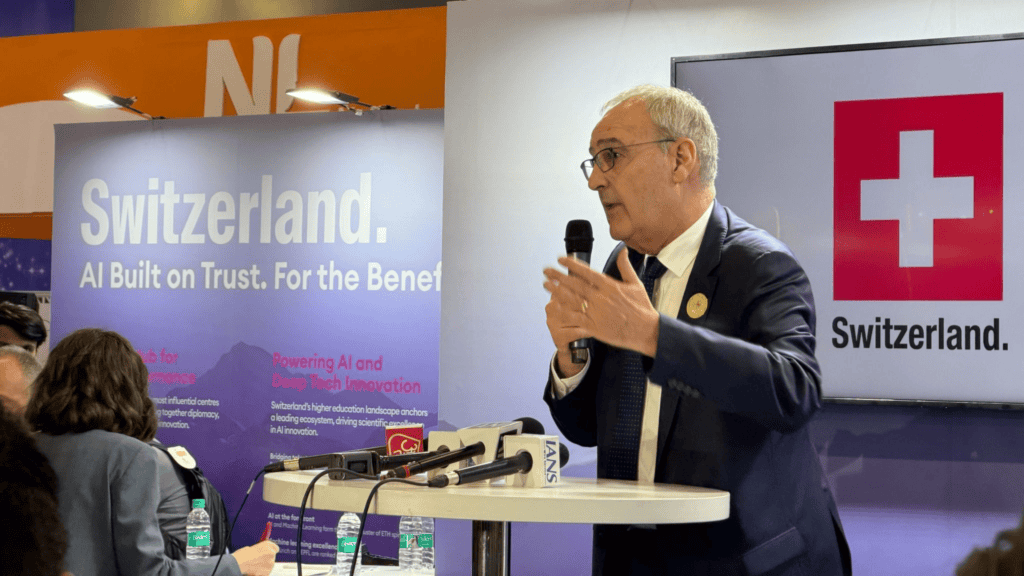
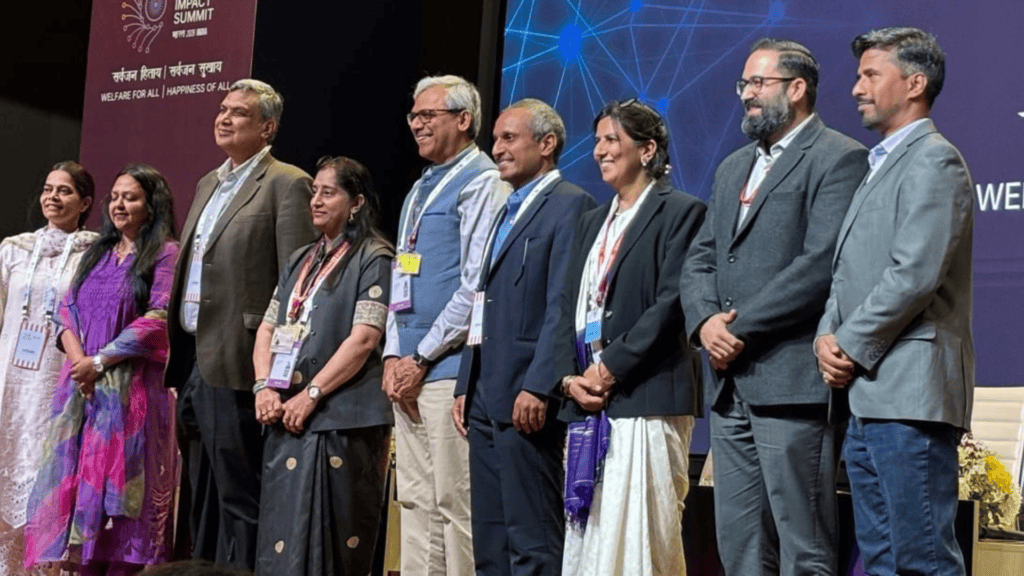
The MOOVE India project, led by Mary‑Anne Hartley, Professor at École Polytechnique Fédérale de Lausanne (EPFL) and a visiting faculty member at the Koita Centre for Digital Health at Ashoka University (KCDH-A), was on prominent display at the Swissnex booth within the Swiss country pavilion at the India AI Impact 2026 Expo.
The MOOVE India project focuses on building frameworks for clinically validated AI adapted to the Indian health context. Professor Mary-Anne Hartley, was present at the pavilion to represent the project and engage with delegates. MOOVE India’s work reflects KCDH-A’s long-standing commitment to validation standards fit for real-world clinical use, and its presence at the Swissnex booth drew considerable interest from researchers, policymakers, and global health leaders throughout the week.
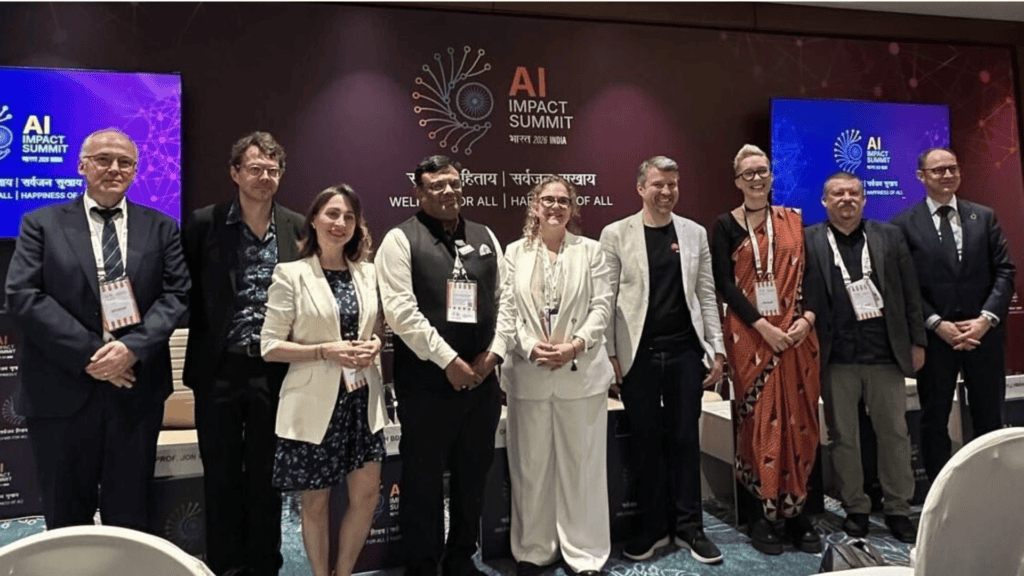
In a moment that captured the Summit’s ambition to connect global knowledge with national priorities, Prime Minister Narendra Modi visited the Swissnex booth, where Professor Hartley had the opportunity to showcase the MOOVE project directly, a brief but meaningful interaction that underscored both the project’s clinical relevance and the deepening significance of India-Switzerland collaboration in responsible health AI. Its visibility at one of the Summit’s most prominent international pavilions is a reflection of the growing global recognition that responsible validation frameworks, not just algorithmic performance metrics, are the true measure of health AI readiness.
ValiDATAthon India
The ValiDATAthon India series, held as part of MOOVE India 2026, was a multi-site clinical evaluation of AI-generated clinical recommendations across four institutions: Ashoka University (Delhi NCR), NIMS University (Jaipur), Sankara Eye Hospitals (Bengaluru), and IIIT Hyderabad. The series aimed to assess the performance of AI tools in real-world clinical settings. Supported by partners like WHO South-East Asia, ICMR-NIRDHS, IndiaAI,KCDH-A, Gates Foundation, National Centre for Biological Sciences, and C-CAMP, among others.
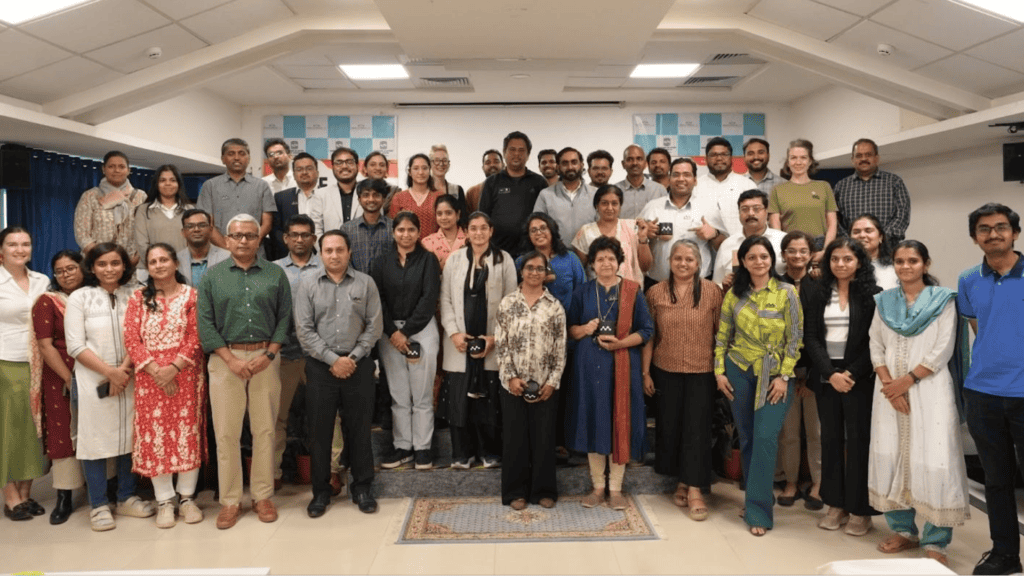
The first ValiDATAthon series took place at Ashoka University where clinicians looked at AI outputs and examined ideas on trust and commercial systems, which resulted in different opinions about the reliability of both. This was followed by sessions in Jaipur, Bengaluru and IIIT Hyderabad. All sites viewed AI as a situational trust; with clinicians were primarily concerned about using AI for its performance in complex and rapidly evolving clinical settings. The findings from ValiDATAthon 2026 offer important information about how clinicians will adopt and critically apply AI-assisted commission tools to clinical practice and the need for continued evaluation of AI-assisted commission tools as they become increasingly integrated within clinical practice.
Recognising Research at the Frontier: The IndiaAI CATCH Grant
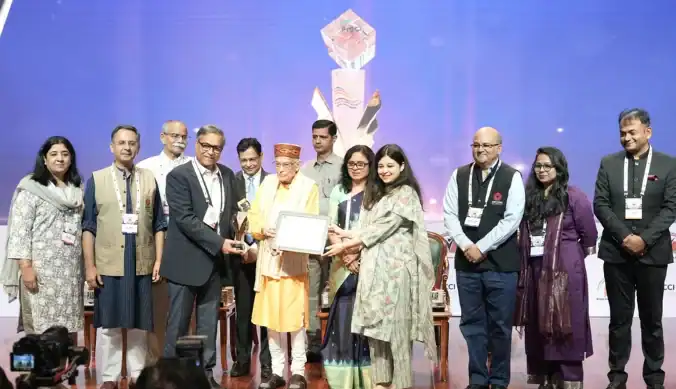
Suvrankar Datta, Simons-Ashoka Fellow at the Koita Centre for Digital Health at Ashoka University, received the prestigious IndiaAI Cancer AI & Technology Challenge (CATCH) Grant awarded by Dr Rajiv Bahl at Bharat Mandapam for a joint consortium project between KCDH-A, Tata Memorial Hospital Mumbai, and Manentia AI.
The CATCH Grant initiative is designed to identify and support promising AI-driven innovations that address critical gaps in cancer care, from early detection and diagnosis to treatment support and system efficiency. The awarded project AI-based decision support for RP-LND requirement prediction in post-chemotherapy testicular cancer patients: PREDICT-AI focuses on developing novel algorithms using advanced topological deep learning and new architectures to improve cancer classification for Indian patients.
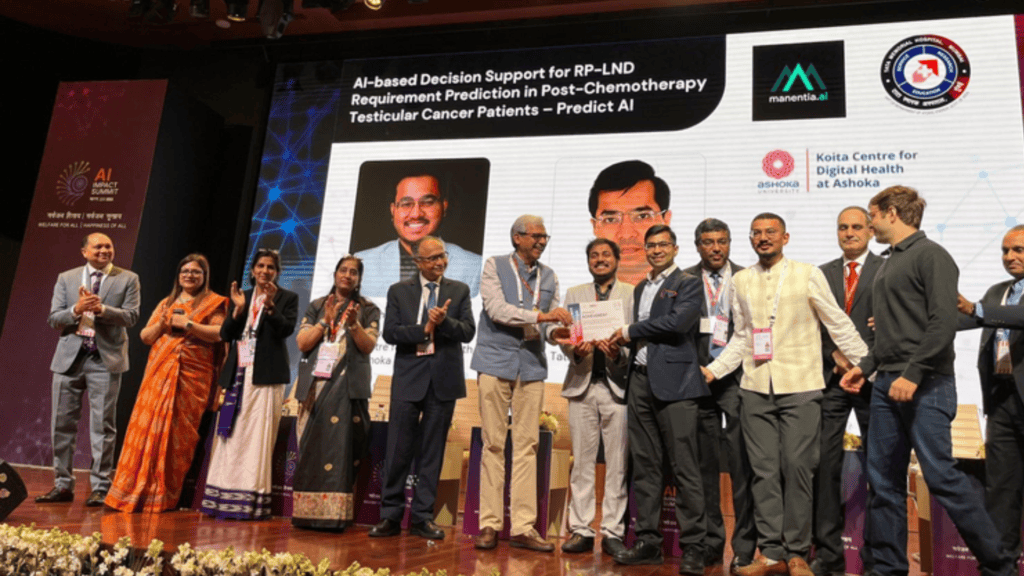
It is exactly the kind of work that bridges the gap between computational frontiers and clinical necessity: a project rooted in a real surgical question, developed in genuine partnership with one of India’s foremost cancer institutions, and grounded in a commitment to improving outcomes for patients who have no margin for imprecision.
Building the Foundation: RAISE and the Road to Bharat Mandapam
KCDH-A’s engagement with the Summit did not begin in February. The Centre took the lead in convening the inaugural Winter Dialogue on RAISE Responsible AI for Synergistic Excellence in Healthcare, the first of four official pre-Summit dialogues held across India through January 2026.
Co-hosted with NIMS Jaipur and convened with technical host WHO SEARO, and supported by partners including the Gates Foundation and ICMR-NIRDHS, the RAISE series brought together clinicians, researchers, policymakers, and technology experts to build a shared vocabulary for responsible health AI governance.
The series aimed to provide sector-specific insights into India’s National AI Strategy. The first dialogue held in Sonipat, hosted by KCDH-A, focused on Health AI Policy and Governance. The panelists engaged in informative discussions regarding equity, accuracy, and large-scale deployment of AI solutions. The Delhi Edition, hosted by NIMS University Rajasthan in partnership with IIT Delhi, focused on global health and AI diplomacy, and how India can lead the way in establishing multilateral AI governance.
The Bengaluru Edition brought together NCBS and C-CAMP as partner institutions, explored how AI can be utilized in biomedicine, while the Hyderabad Edition hosted by IIIT Hyderabad focused on HealthTech and AI entrepreneurship, discussed how to commercialize AI innovations in healthcare. Overall, the Winter Dialogue Series brought together all stakeholders interested in promoting the responsible use of AI in healthcare, with an ongoing commitment to equity, safety, and sustainable innovation.
These dialogues collectively generating the intellectual groundwork that KCDH-A brought to Bharat Mandapam during the AI Impact Summit.
Ashoka University Strengthens the Indo-French Scientific Corridor at R.U.S.H. 2026
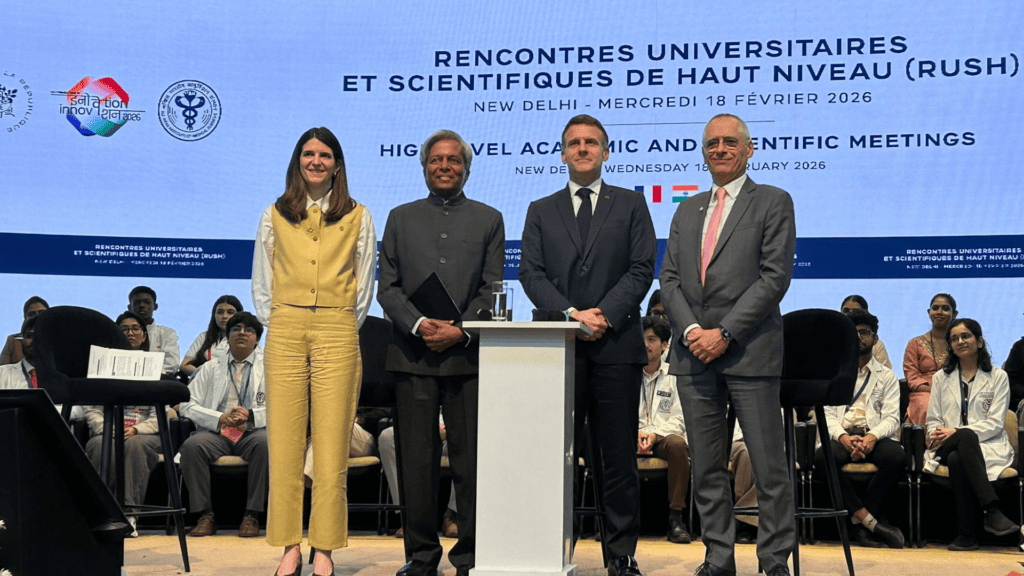
The R.U.S.H. (Rencontres Universitaires et Scientifiques de Haut Niveau) High-Level Academic and Scientific Meetings brought together leading institutions and policymakers on 18–19 February 2026 at AIIMS, New Delhi, to shape the future of Indo-French cooperation. Organised with the support of the French Embassy in India and key academic partners, the summit set the stage for deeper collaboration in science, health, and emerging technologies. Against this backdrop of strengthening bilateral ties, the sessions examined how AI is redefining higher education, research ecosystems, and global partnerships.
Thierry Coulhon, Institut Polytechnique de Paris, spoke on ‘Higher Education, Innovation and Geopolitics in the Age of AI,’ arguing that artificial intelligence is reshaping global power structures through science and technology. He emphasised that AI grants strategic autonomy and that nations leading this transformation are those making sustained investments in higher education and scientific infrastructure. Citing a 60 percent increase in international student mobility from India and noting that France hosts around 9,000 Indian students, he posited the importance of strong international partnerships and early integration of computational thinking in education. He described AI as a direct product of educational systems and deliberate scientific choices, stressing that while AI scales intelligence, it does not eliminate human responsibility.
Building on this theme of responsibility and global cooperation, the address by K. VijayRaghavan, Science Advisory Council, Ashoka University, titled ‘Managing Promises and Perils of AI in Biotechnology and Health: Global Partnerships in Developing Standards,’ shifted the focus to health and biotechnology. He began by invoking the legacy of François Jacob, Jacques Monod, and André Lwoff to remind the audience that profound science often emerges in times of global uncertainty. He argued that while AI enables unprecedented scale in biotechnology and health research, it also demands conceptual clarity, rigorous data standards, and strong ethical governance. Emphasising Indo-French collaboration, he called for shared cohorts, harmonised frameworks, and long-term investment in people and institutions. Above all, he stressed that as AI grows more powerful, human judgement, responsibility, and trust become more, not less, essential.
The summit was officially inaugurated by Dharmendra Pradhan, Minister of Education, Government of India, and Clara Chappaz from the French Ministry for Europe and Foreign Affairs, who highlighted AI’s growing influence on how societies think and how institutions function, stressing that it is not merely a tool but a force shaping the future. Pradhan spoke about securing an AI-driven future rooted in human dignity and long-term prosperity through sustained Indo-French cooperation, and referred to the Sorbonne–AIIMS Centre of Excellence as a significant step forward. Bringing together over 600 participants from 200 universities, the summit reflected shared priorities in green hydrogen, space, healthcare, applied mathematics, and AI. Marking the 40th anniversary of CEFIPRA, the speakers recalled the early strategic decision to invest in knowledge and youth, emphasised the importance of building resilience with trusted partners at a time when science faces growing scrutiny, welcomed researchers to France, and called for ambition rather than complacency in advancing collaboration.
Translating these commitments into concrete institutional partnerships, Ashoka University was showcased as a consortium partner in the Franco-Indian Campus for Life Sciences for Health, a collaboration bringing together Université Côte d’Azur, Indian Institute of Technology Delhi, Indian Institute of Science, and Ashoka University under SHIELD (Synergies for Health Innovation and Education in Life Sciences and Digital Health). The outcomes presented covered the 2023–2026 period, including 2026 projections, and highlighted a double Master’s programme in computational biology, four winter schools, three Sophia summits, a microscopy workshop, a symposium on computational biology, and a longevity seminar.
The summit further strengthened bilateral academic ties with the signing of a Memorandum of Understanding between Ashoka University and École Normale Supérieure – PSL, marking a new chapter in strategic cooperation in research and higher education. The MoU, formally signed by Somak Raychaudhury, Vice-Chancellor, Ashoka University, Delhi-NCR, and Frédéric Worms, Director, ENS-PSL, establishes a deep, long-term partnership spanning joint research, faculty and student exchanges, and collaborative academic programmes in the sciences and humanities.
It will create shared research ecosystems, foster co-taught courses and workshops, and open opportunities for Ashoka students and scholars to engage with ENS–PSL’s renowned scientific community in Paris. Together, the two institutions aim to build a vibrant Indo-French intellectual corridor that advances fundamental science, interdisciplinary inquiry, and innovation with global impact.
Professor Anurag Agrawal, Dean, Trivedi School of Biosciences, and Head of Koita Center for Digital Health at Ashoka, delivered a plenary session on AI in higher education and research: opportunities, innovation and risks for the universities of tomorrow on the second day of the RUSH AI-Summit. The plenary session contained discussions on how AI would transform education and research. For global science, AI is likely to act as a catalyst by lowering barriers to knowledge and research participation without replacing the need for validation, funding, or expertise.
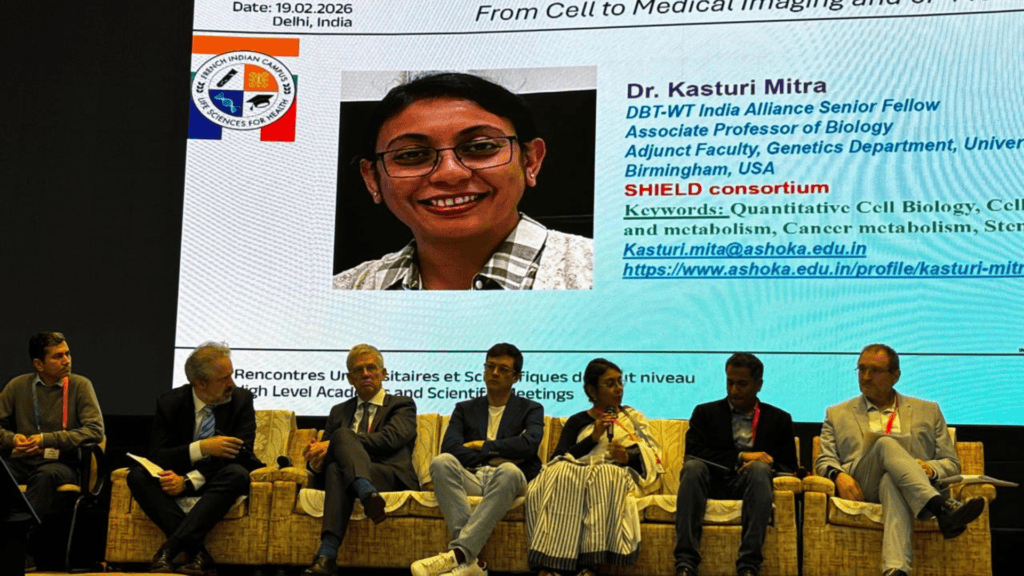
In the session of the Corsortia of the Franco-Indian Campus on Life Sciences for Health, Professor Kasturi Mitra, Associate Professor and DBT-WT India Alliance Senior Fellow, served as a panelist in the thematic session on Cell to Medical Imaging and 6P Medicine. This session covered application of how India and France can work together on developing approaches to employ AI assistance in making fundamental breakthroughs and also push boundaries of applications in the clinical settings. The current state of the art and the areas of improvements were highlighted towards building a path of accurate and appropriate use of AI assistance for life sciences and human health. Building of AI virtual cells in the context of digital twins was discussed.
Professor Anurag Agrawal also co-chaired a panel session on AI, Global and Planetary health. In this session panelists discussed the use of AI in employing digital twins of ecosystems, indexing ageing, and also legal and social issues of AI use in urban and rural settings.
~ Written by Ankita Rathore, Manager,
Ashoka Global Research Alliances