





Ashoka University Organises a Networking Meet on National Research Administrators Day
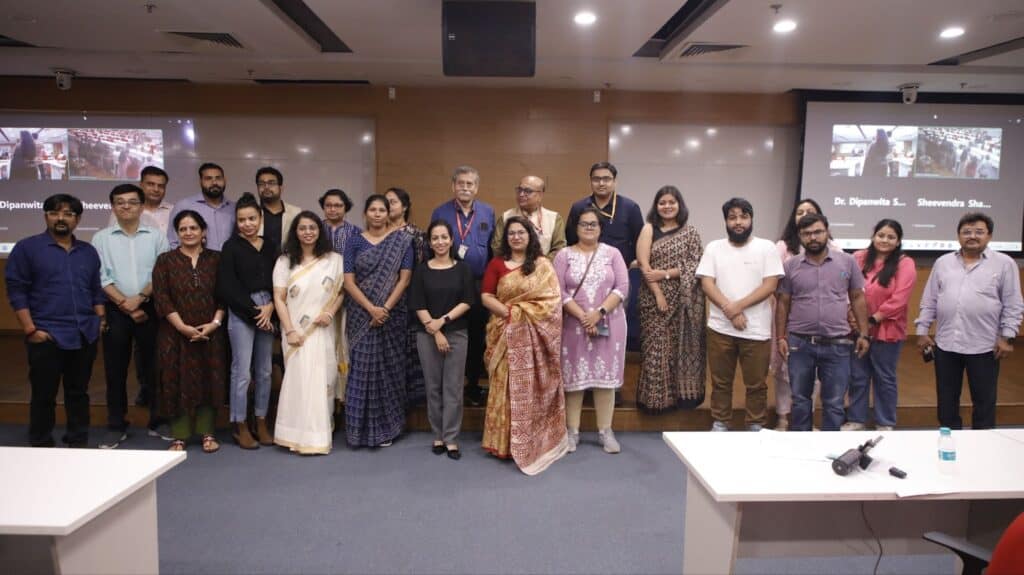
The Research and Development Office (RDO) at Ashoka University celebrated National Research Administrators Day. The networking event brought together research management professionals, thought leaders, research funders, and professors to share ideas and best practices. It featured engaging talks, a keynote lecture, and panel discussions. The knowledge partner for the event was CIntelligence Pvt Ltd, creators of Researgence - an online repository that consolidates institutional research publication data.
 2
2

Research is a journey, an ongoing process and often challenging. When researchers embark upon this quest, they don’t go alone, a caravan moves with them. A caravan of professionals, who work tirelessly to pave the way, to arrange the resources and provide the needed support to make sure the journey goes (if not smooth, always), but in the right direction, as intended. The members of this caravan are Research Administrators, skilled professionals, with an in-depth knowledge and deep-rooted passion for research. A special day has been dedicated to celebrating the spirit and contribution of these professionals — National Research Administrators Day.
The Research and Development Office at Ashoka University organised a meet and greet to celebrate the spirit and honour the efforts of the administrators, management professionals who work in the field of research behind the scenes but definitely serve as the backbone of the entire research ecosystem. The event was attended by not only Research Administrators from various institutions across the country, but Thought Leaders, Research Funders and Professors to come together and applaud the crucial role these professionals play to keep research efforts on track. The knowledge partner for the event was CIntelligence Private Limited, the creators of Researgence—an online repository that consolidates institutional research publication data in an easy-to-access, online format.
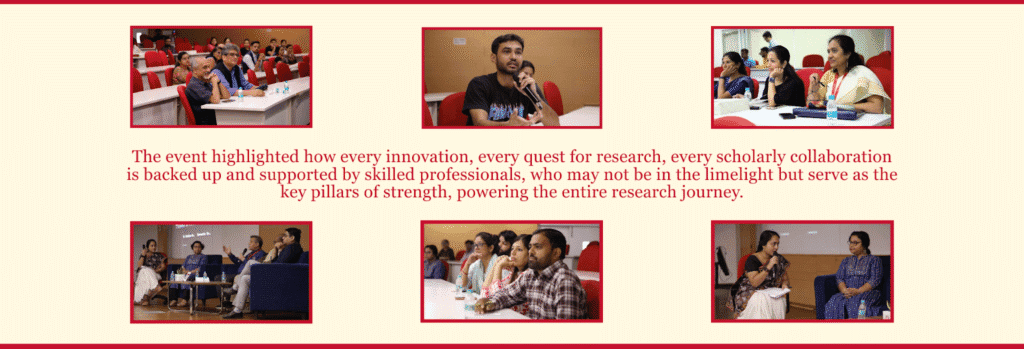
The event highlighted how every innovation, every quest for research, every scholarly collaboration is backed up and supported by skilled professionals, who may not be in the limelight but serve as the key pillars of strength, powering the entire research journey.
Professor Gautam Iqbal Menon, Dean, Research at Ashoka welcomed the diverse gathering and applauded the transformative role of professional research management in India’s research landscape over the past 10 years. Appreciating the contribution, Professor Menon said, “The work research administrators do is what we call a hygiene factor — you notice their absence, not their presence. As long as things run smoothly, grants go through, and documentation is done right, it seems like a simple, routine process, but in reality, immense effort goes into it.” Elaborating on the role the Research and Development Office at Ashoka plays, Professor Menon highlighted the major role the Research and Development Office at Ashoka plays in administering the Ph.D. programme with over 250 Ph.D. Students, managing an additional number of 150-200 research staff, and overseeing grant management for around 90-100 grants coming from 30-40 different granting agencies, both Indian and international.
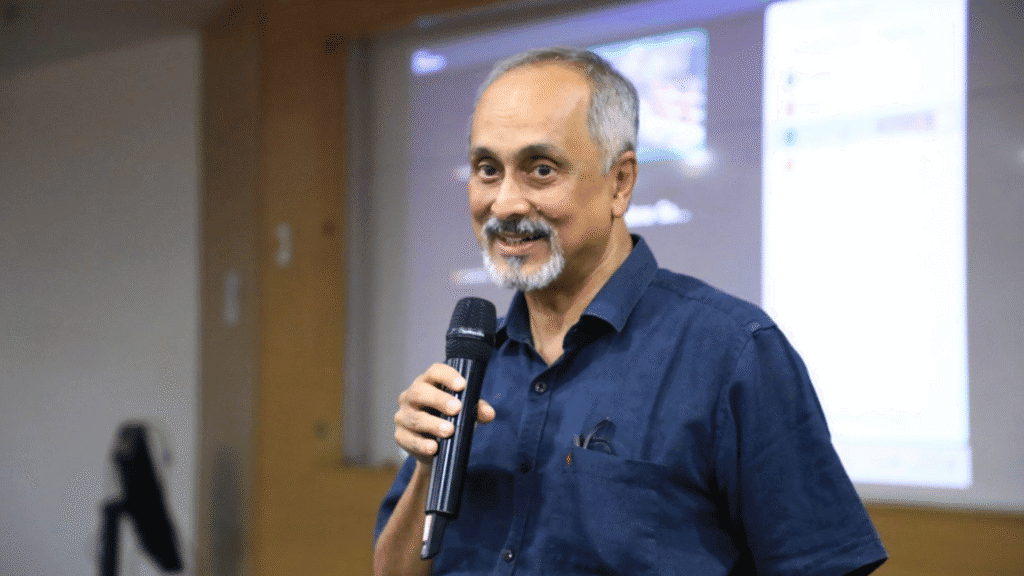
Professor Somak Raychaudhury, Vice Chancellor of Ashoka University, addressed the attendees and recognised the contributions of research administrators for their vital efforts, saying that just like International Women’s Day, every day is a Research Administrator’s Day. Highlighting Ashoka’s remarkable growth and vision, Professor Raychaudhury said, “With our campus expanding from 25 acres to 100 acres and research scope broadening across the sciences and non-sciences, we’re moving towards a greater number of patent applications, industry interactions, and innovations. In that direction, the role of the Research and Development Office also grows to include innovation. Therefore, the RDO should be called the RDIO — the Research, Development, and Innovation Office.”
Professor Raychaudhury also talked about the ever-expanding role of research administrators with the new emerging areas of research, such as undergraduate research with students opting for research and getting their papers published in high-impact journals.
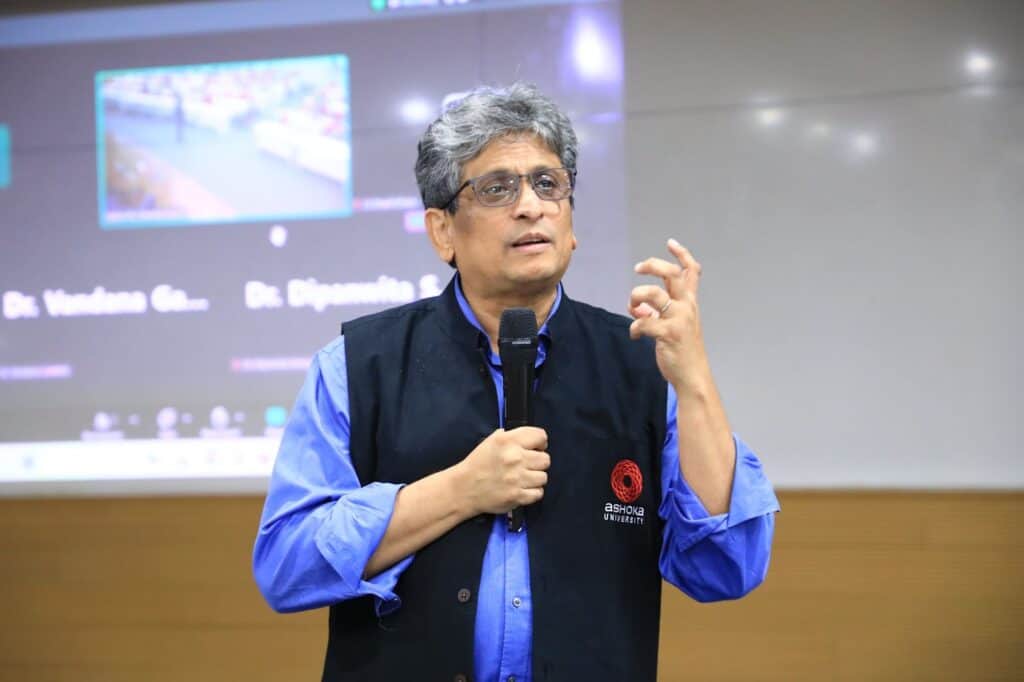
Professor LS Shashidhara, Director National Centre for Biological Sciences (NCBS), whose role in establishing the Research and Development Office at Ashoka University has been vital, attended the event online and talked about his experiences. His talk focused on how research administrator bodies should function within a university ecosystem, and he pointed out that with growth in research, the operational procedure becomes more complex and requires defined research administration systems to manage operations effectively.
He applauded the work of Ashoka’s Research and Development Office, which goes beyond routine administrative work and expands into supporting innovation, creating new research pathways and offering a strong foundation for scholarly work to thrive.
Professor K VijayRaghavan, Chair, Science Advisory Council, Ashoka University, also joined the session online and addressed the gathering, focusing on the complexities and various types of challenges research managers face while navigating through their day-to-day role of managing everything behind the scenes. He also highlighted the importance of integrating AI tools into research management to keep pace with the rapidly evolving technological landscape.
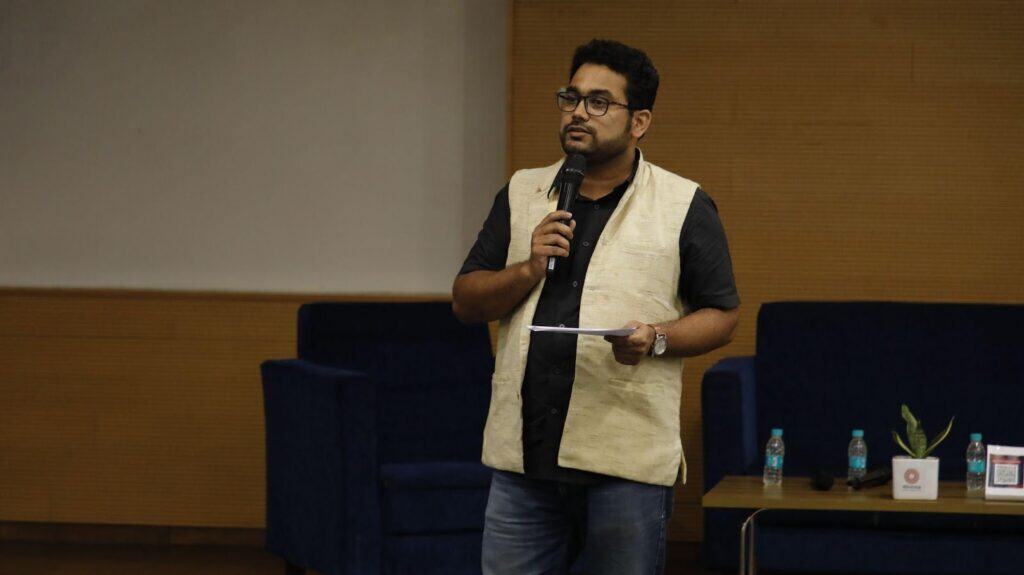
Director of NCBS Dr Anirban Chakraborty, Registrar and Head of Research and Development (R&D) at TCG CREST, Kolkata, delivered a keynote lecture titled “The Future of Research Management in India: Challenges and Opportunities.”
Dr Chakraborty’s talk noted how ‘Research Administration’ was a term unknown in India, fifteen years ago, while at the same time, the US and the UK had already begun developing structured research management systems.
He highlighted the importance of initiatives such as the Wellcome Trust and NCBS programs, which helped introduce structured research management roles in India, thereby fostering a cohort of capable research managers. He applauded Ashoka’s liberal and inclusive culture, which has been helpful in establishing a robust research management system within the university.
Outlining the main challenges that research managers encounter, Dr Chakraborty talked about including funding instability, administrative hurdles, institutional complexities, inequitable research opportunities, human resource gaps, and policy-driven limitations
While addressing these challenges, he underlined the optimistic side of the research administration sector. He highlighted emerging opportunities, including the growing demand for research managers across the country, the expanding funding ecosystem, expanding research infrastructure, digital transformations, and policy reforms.
Touching on challenges and opportunities, and looking ahead to a hopeful future for research administration, Dr Chakraborty said, “As research managers, we must be jacks of all trades and choose flexibility over rigidity to ensure growth in this ever-evolving field.” He concluded by emphasising adaptability, collaboration and policy engagement as defining skills for a promising future of research management in India.
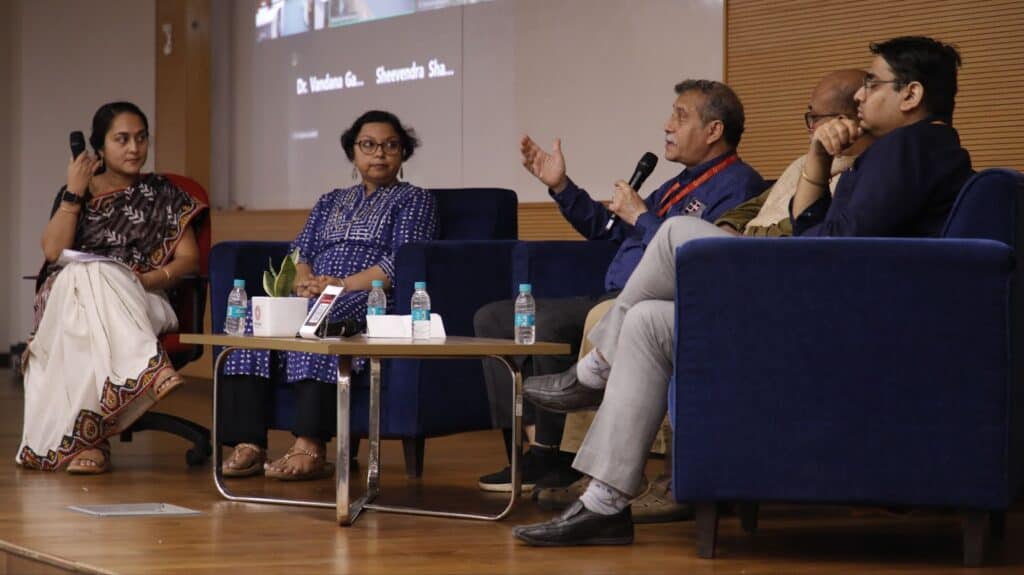
Another key highlight of the event was a panel discussion on “Best Practices in Research and Project Management – Lessons from Academic Institutions and Funders”, moderated by Dr Aradhita Baral, Deputy Director at the Koita Centre for Digital Health, Ashoka University. The expert panellists who participated in the discussion were Dr Madhuri Dutta (The George Institute, Delhi), Dr Vandana Gambhir (IISER, Pune), Dr Shirshendu Mukherjee (Wadhwani Foundation), Dr Richi Mahajan (DBT), Dr Dipanwita Sengupta (DBT/WT IRMI), and Prof. Sourav Pal (Ashoka University). The experts emphasised the importance of knowledge sharing, stronger networks, and patenting & innovation.
Attendees asked the panellists and speakers about potential career opportunities in the field of research management and potential gaps. The responses suggested that at present, most of the research managers in India learn on the job, and there’s scope for formal training/courses and internship opportunities to bridge the gap.
Speakers and panellists further noted the significance of collaborative initiatives such as conferences, workshops and networking events to discuss these challenges and pave the way for a better tomorrow in the field of research management.
Sheevendra Sharma, Vice President of CIntelligence, showcased Researgence – The Research Information Management system at the event and presented a walk-through presentation to highlight how it can meticulously manage and showcase the research data in one place.
Researgence is a third-party platform, managed by Cintelligence Pvt Ltd, and it meticulously manages the research publications of the University. For Ashoka, this Research Information Management System serves as a centralised repository that showcases the university’s research via faculty profiles, interactive dashboards, and department-wise insights.
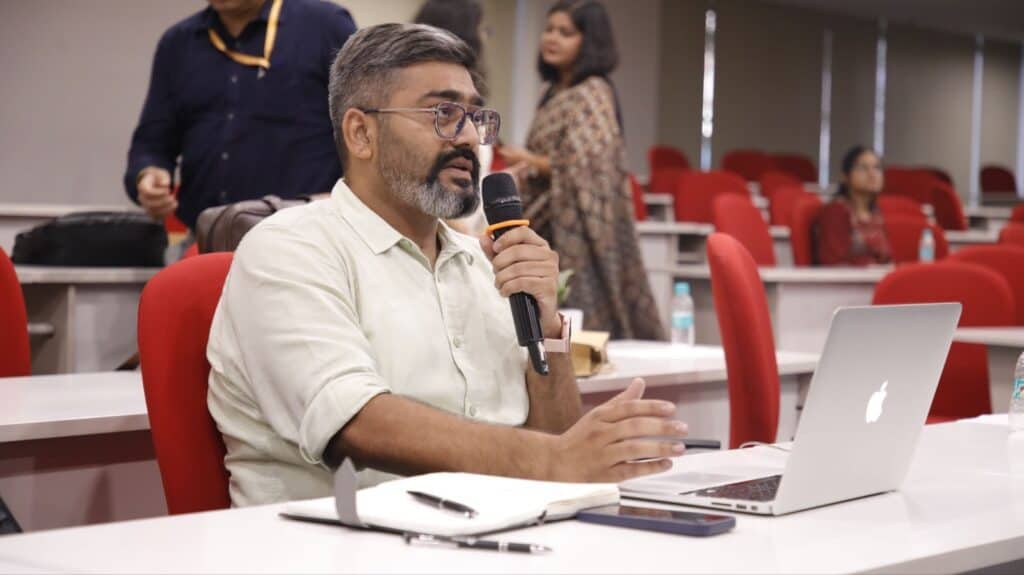
In the concluding session, Dr Poornima Prabhakaran, Director of the Centre for Health Analytics, Research, and Trends, lauded the contributions of the Research and Development Office (RDO) in providing end-to-end support to research projects and highlighted its potential to offer training to aspiring research administrators.