


Other links:


Other links:




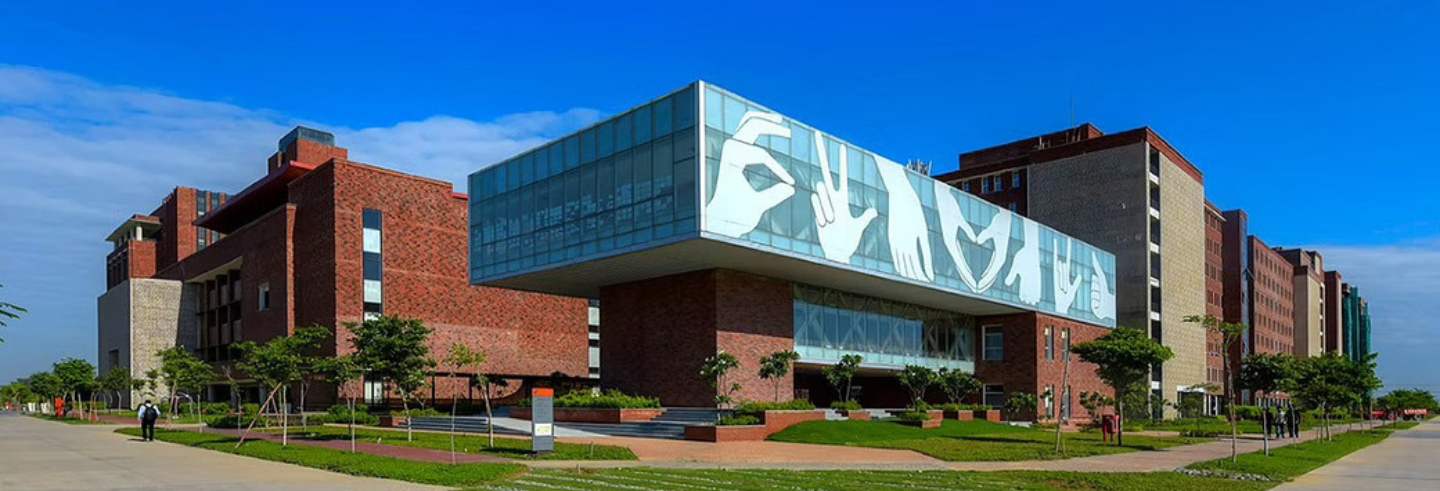
Ashoka University’s undergraduate course curriculum is taught across three semesters: Spring, Summer and Monsoon (Fall). Courses are broadly divided into three categories – Foundation Courses (core curriculum), Major & Minor Courses and Co-Curricular Courses.
You may search courses offered at Ashoka here. Please use the drop down menu to choose the specific semester and subject to see the full list of courses under each department. Foundation courses are offered in all semesters and do not have prerequisites. Offerings in other categories differ in each semester. Some higher level major/minor courses may have prerequisites.
To view Summer Semester Courses-2024: Click here
In many low- and middle-income countries (LMICs), agri-food systems can be instrumental in not only reducing poverty and hunger, but also ensuring sustainable food and nutrition security; healthy populations and environment; efficient use of resources, and resilience to shocks and crises. The objective of this course is to introduce students to the concept of agri-food systems, their role in economic development, why and how they should/ could be transformed to be sustainable, resilient, and inclusive in providing livelihoods and nutritious, safe, accessible, affordable, and sufficient food for current and future generations. The course in essence provides an overview of Agriculture for Nutrition and Health introducing the core logic behind this course. As a study of agri-food system the course asks the question of what needs to be strengthened or adjusted to ensure the greatest impact from the system as we move forward. The course addresses questions from a systems lens: Why does increased food consumption does not necessarily mean improved nutrition. Why do nutritious perishable foods tend to be limited in supply, high in price, and thus—especially for poor who need them most—inaccessible or unaffordable compared to less nutritious staple foods. Additionally, it is critical to explicitly link agriculture and food systems so that, as economies grow, increases in processing and marketing can add real value to food systems. In the course we explore how strengthening this linkage, policies can aim to ensure poor have opportunities to improve both their health and economic status. Around the globe, as food safety concerns are increasing, and solutions vary greatly depending on the context. more complex food systems, how food safety can be addressed through testing, certification, and regulatory approaches. In informal sectors, what are the necessary approaches that serve the poor by providing incentives through income generation and by building capacity through the active participation of small farmers. The impact pathways involve how value chains can deliver safer, healthier foods that improve the diets of people. How cross-sectoral policies and investments can become more nutrition-and health-sensitive?
The course will focus on topics such as global trends in food demand and supply; the roles of organizations, institutions, policy and technology, as well as shocks and crises (such as climate change and COVID-19) on agri-food systems, and will highlight national, regional and global level opportunities and challenges for LMICs to transform their agri-food systems into one that produces sufficient, affordable, accessible, culturally acceptable, safe and nutritious food for all its citizens. In addition to providing the theoretical framework and the latest literature on each topic, the course may also feature an invited guest speaker from the field, and where appropriate will try to make the topics and working thereon more relatable and accessible to those who may want to work in this field. All these themes will be presented and discussed with an equity and social justice lens. In each class students will have opportunities to present, discuss or debate the topics, and in a few of the classes, experts from the field from within Ashoka or outside will be invited to share their points of view and discuss opportunities and challenges of working in their fields.
