





Field Report: Engaging with the Practitioners of the India Way
Exploring India’s foreign policy in practice: Ashoka University students interact with diplomats and policymakers in New Delhi
 2
2

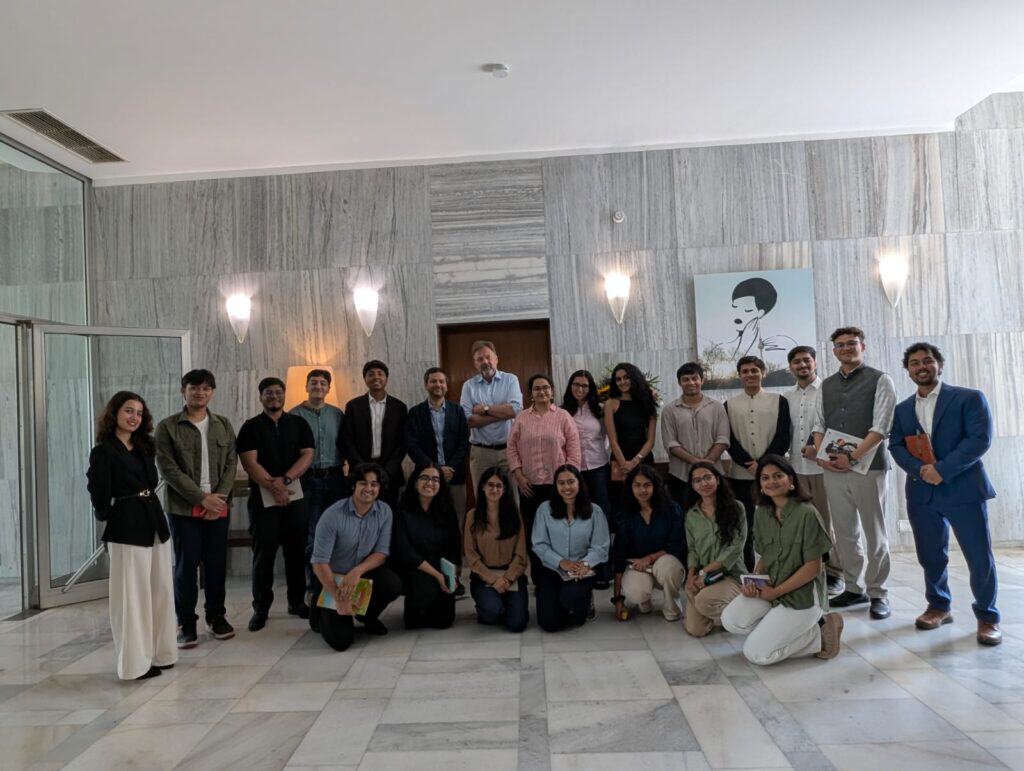
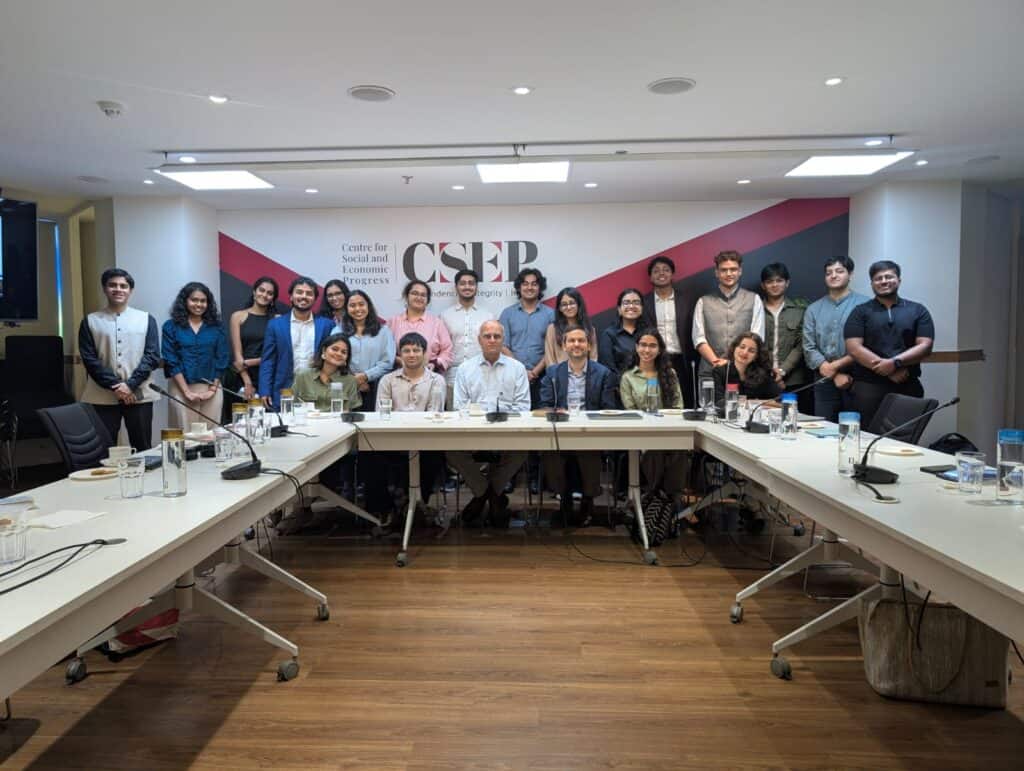
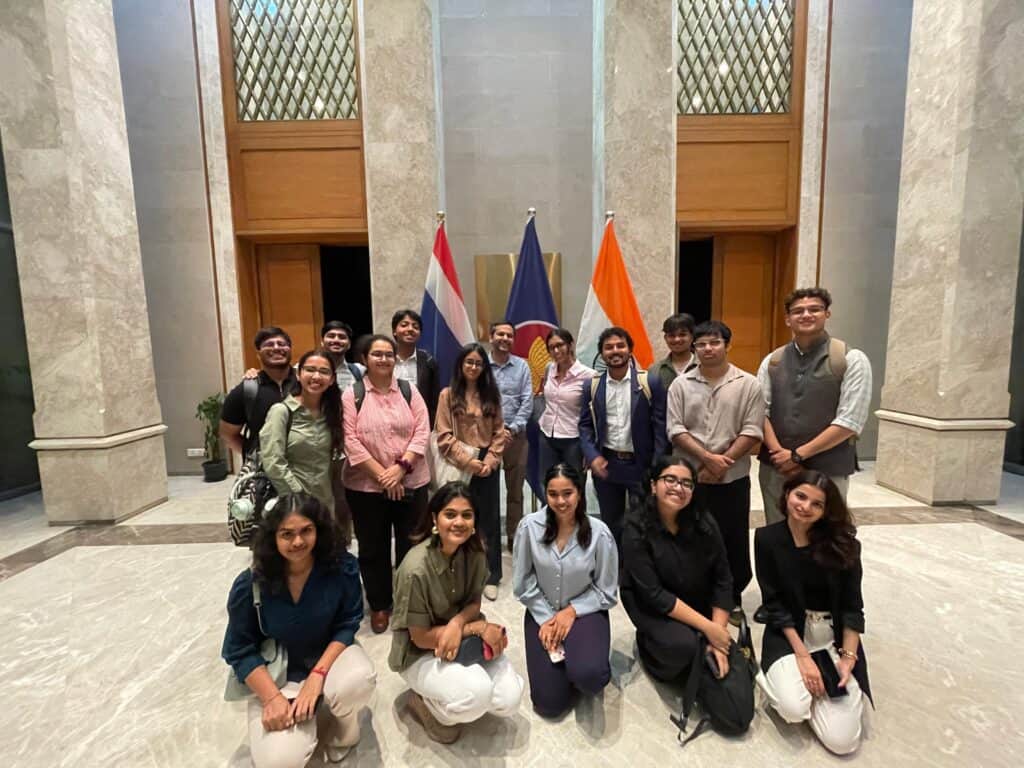
On 28 March 2026, students enrolled in the course Mapping the India Way: Indian Foreign Policy Decision-Making since the 1990s, taught by Professor Constantino Xavier, participated in a field visit to New Delhi that brought classroom discussions into direct conversation with practice.
The field trip was designed to bridge theory and real-world policymaking. Through interactions with experienced practitioners, students were able to critically examine how the “India Way” of diplomacy is not merely conceptual but actively negotiated, adapted, and implemented in complex global contexts.
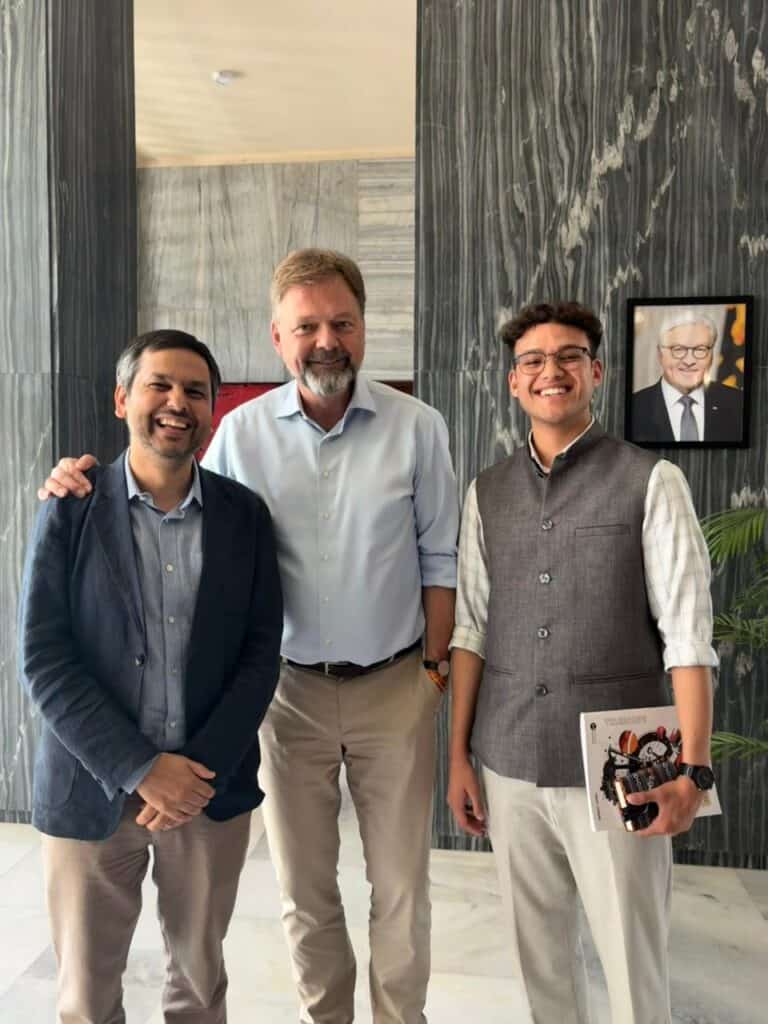
The day began with an interaction with H.E. Dr Philipp Ackermann, Ambassador of Germany, at his residence. Offering a candid external perspective on engaging with Indian diplomacy, he shared insights into how Indian negotiation styles are perceived by foreign diplomats, adding an important comparative dimension to students’ learning.
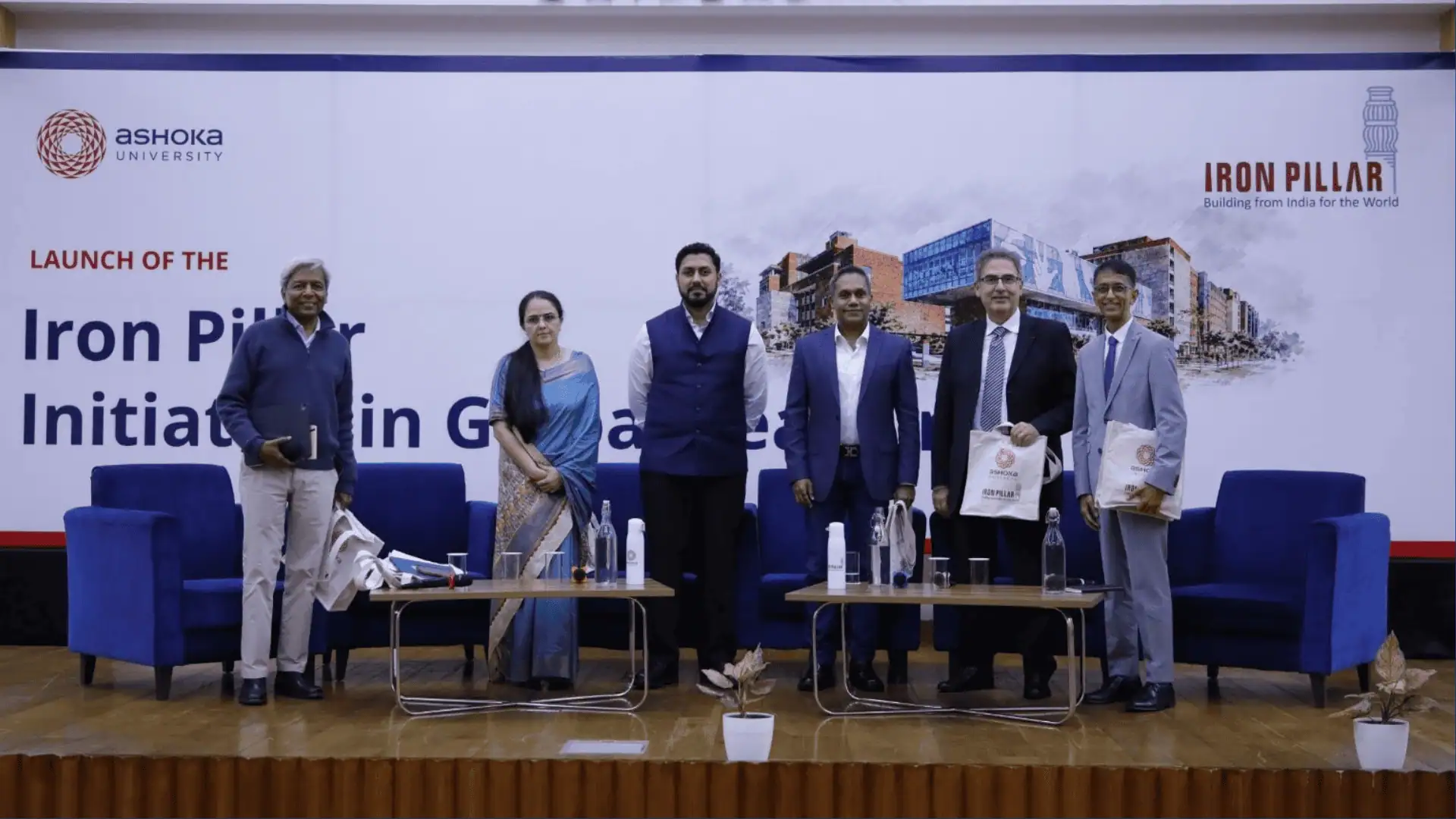
Students then visited the Centre for Social and Economic Progress, where they engaged with leading policymakers, including A. S. Dulat, former Secretary of the Research and Analysis Wing of India; Ambassador Shivshankar Menon, former National Security Advisor to Prime Minister Manmohan Singh; and Ambassador Syed Akbaruddin, former Permanent Representative of India to the United Nations. These interactions allowed students to revisit key case studies from the course and understand the strategic thinking, constraints, and negotiations that shape India’s foreign policy decisions.
A key highlight of the visit was a Q&A session with foreign diplomats, including Marzena Zawisz, Political Counsellor, Australian High Commission, and Harshvir Singh, Second Secretary, High Commission of Singapore. Students engaged actively, posing questions that reflected both theoretical grounding and practical curiosity. The exchange offered valuable external perspectives and introduced multiple lenses through which diplomacy can be understood.
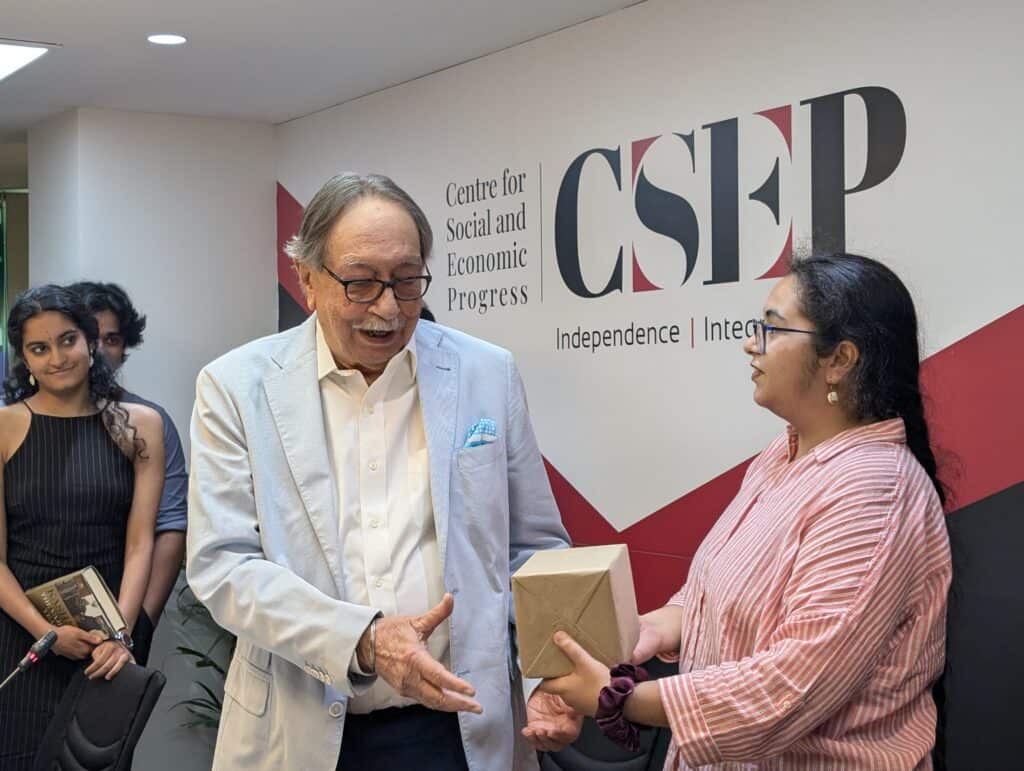
Throughout the day, students demonstrated strong engagement and critical thinking. Interacting directly with practitioners enabled them to connect abstract concepts with real-world scenarios, making their learning more tangible and impactful.
The field trip concluded with a visit to the Namaste Thailand Festival at the Royal Thai Embassy in Chanakyapuri, offering a cultural dimension to diplomacy and an opportunity to reflect on the role of soft power in international relations.
The visit was coordinated by teaching assistant and trip coordinator Trigya Dhir, whose efforts ensured a seamless experience for all participants.
Department of International Relations, Ashoka University