‘I was an RA for nearly three years’: In Conversation with Pramath Raj Sinha
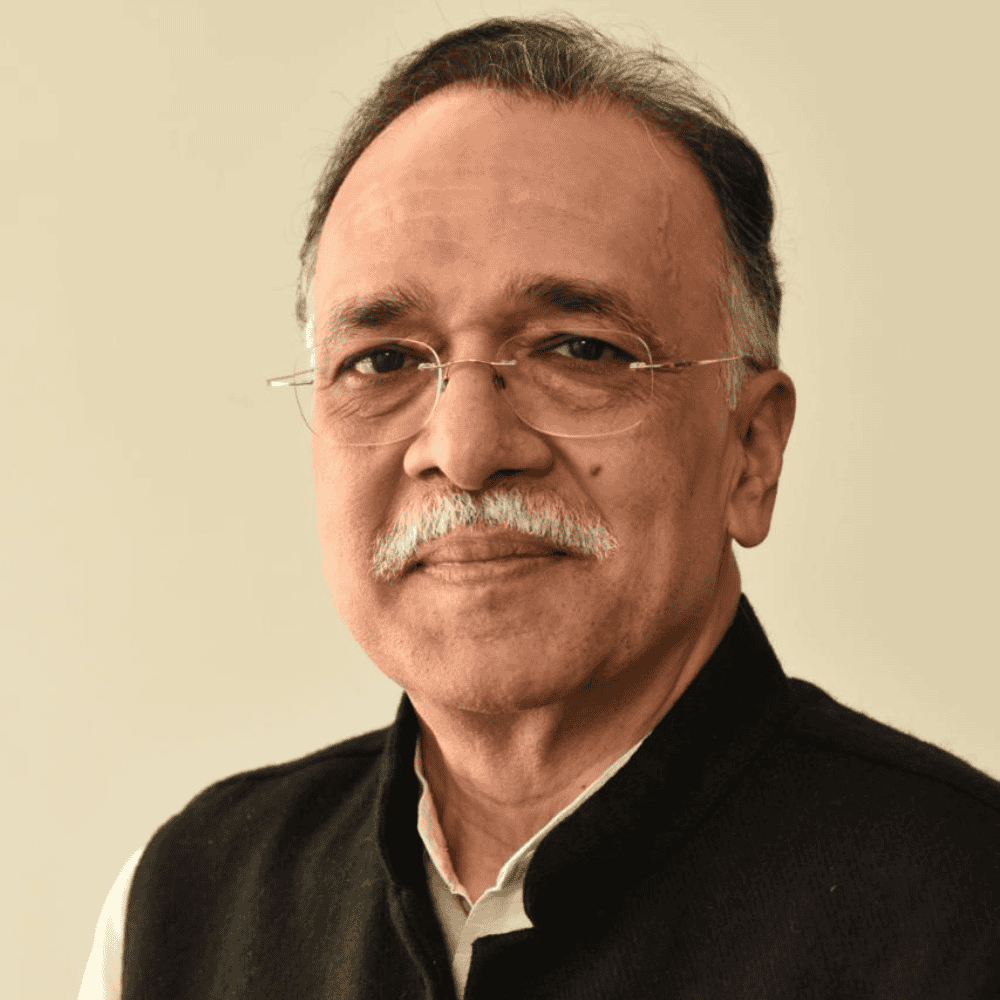
In this conversation, Pramath Raj Sinha, Chairperson of the Board of Trustees at Ashoka University, reflects on how RAs quietly shape the culture of the university, acting as connectors, mentors, and first points of support and why the role remains one of the most meaningful leadership opportunities for students today.
Share
0
Views:37
Having served as an RA for nearly three years during his postgraduate years at the University of Pennsylvania, he brings both lived experience and institutional vision to the programme at Ashoka.
Q. Ashoka speaks a lot about community and dialogue. How does the RA programme quietly shape that culture behind the scenes?
The RA programme works with small groups and small communities of students. While students, of course, get together as a community on their own, having an RA helps create that community in a more deliberate manner. The RA is able to proactively bring together students. The RA is also able to organise events and activities and spend time with students.
The RA becomes the connector. So that’s one aspect of the community. I think a very important aspect of creating a community is that people in the community should feel a sense of belonging. Ashoka is a large university, there are 3000+ students now. Who does an individual student connect to the university through, which individual represents the university? They can’t always go to the Vice-Chancellor, thecir professors, or the Head of Department.
Connecting to the university through an RA is a very natural connection. The RA plays a very pivotal role in connecting a student to the university. And finally, the RA is also very important in just being a friend, mentor, like a family member. In some ways, as you are away from home, who do you reach out to if you have a personal issue, need advice, or you are not feeling great and just want to talk to somebody-again, the RA becomes the first port of call.
So for these various reasons, the community at Ashoka gets created through this RA position, because young students, when they come into Ashoka and as they go through it, have somebody to help them connect to other students, to the university, and to be there for them when they need help.
‘I was an RA for nearly three years during my postgraduate years at the University of Pennsylvania. I was very positively impacted and inspired by that programme. So I would encourage you to also consider the programme at Ashoka.
The tangible reason to consider it is that it’s the best leadership development opportunity that you can have. How do you engage with others? How do you solve people’s problems? How do you influence? How do you help improve their state of mind while also taking care of their needs? These are amazing skills to learn.‘ – Pramath Raj Sinha, Chairperson of the Board of Trustees at Ashoka University
Q. If Ashoka didn’t have the RA system, what do you think students would miss the most?
I feel students would miss the chance to have a friend, a mentor, a guide, somebody they can go to without being judged. They would miss a safe space. They would miss a sense of belonging. They would miss a sense of connection to the university. That’s what I think RAs do. And it’s a very important role that they play.
Q. In one moment or interaction, when have you felt that this is exactly why the RA programme matters?
I can go back to the time when I have got a chance to meet the RAs as a community, and I’ve really been impressed with the quality of people who are opting to be RAs. The quality of people we select to be RAs, the quality of their thinking, their commitment, their empathy, compassion, their connection to students, their connection with the university, and their pride in representing the university with their fellow students.
In those moments when I am with the group, I feel really proud. I have, of course, heard from various students who come and tell me that their RA helped them out, or that they were able to go to their RA when they needed it. And that’s something I almost take for granted because the RA programme is there.
But I really feel proud when I am able to interact with our RAs and see the kind of commitment and emotion they bring to the work that they do.
‘The level of empathy, communication skills, understanding, and problem-solving, real skills that I developed as an RA, have really stayed the course with me.
In fact, I think I only got my McKinsey job because of what I had done as an RA. They were interviewing many PhD students for the role, but I had something different and new to add. I could talk about how to deal with people, what were the most difficult situations I had been in, and how I dealt with those situations. That made a real difference in my interview. I remember that.
So while this is a great service you will be doing to the university and to young Ashokans, more importantly, it is a great service you will be doing to yourself, in terms of the growth and leadership development you will gain through this role.‘









 0
0