





ICPP Annual Growth Conference 2026
The Isaac Centre for Public Policy (ICPP) concluded the second edition of its Annual Growth Conference 2026 on 2 May 2026.
 0
0 
The Isaac Centre for Public Policy (ICPP) at Ashoka University concluded the second edition of its Annual Growth Conference 2026 on 2 May 2026, bringing together leading policymakers, economists, industry leaders, regulators, and government officials to deliberate on the opportunities and challenges shaping India’s path to Viksit Bharat 2047. Over two days, discussions focused on macroeconomic resilience, global trade, the future of work, artificial intelligence, agriculture, state-led development, and long-term growth strategies.
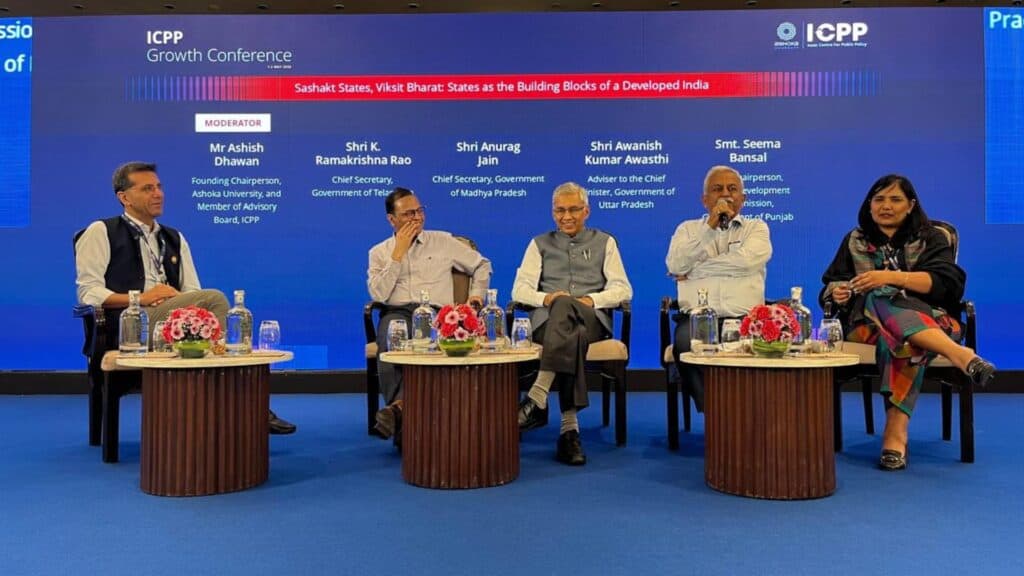
The conference featured prominent speakers including Dr V. Anantha Nageswaran, Chief Economic Advisor to the Government of India; Shri Pema Khandu, Chief Minister of Arunachal Pradesh; Shri N. K. Singh, Former Chairman of the 15th Finance Commission; Dr Poonam Gupta, Deputy Governor, Reserve Bank of India; Shri Vumlunmang Vualnam, Secretary, Department of Expenditure; Shri M. Nagaraju, Secretary, Department of Financial Services; Shri S. Krishnan, Secretary, Ministry of Electronics and Information Technology; Shri Shashank Mani Tripathi, Member of Parliament, Lok Sabha; and senior state administrators from Telangana, Madhya Pradesh, Bihar, and Uttar Pradesh.
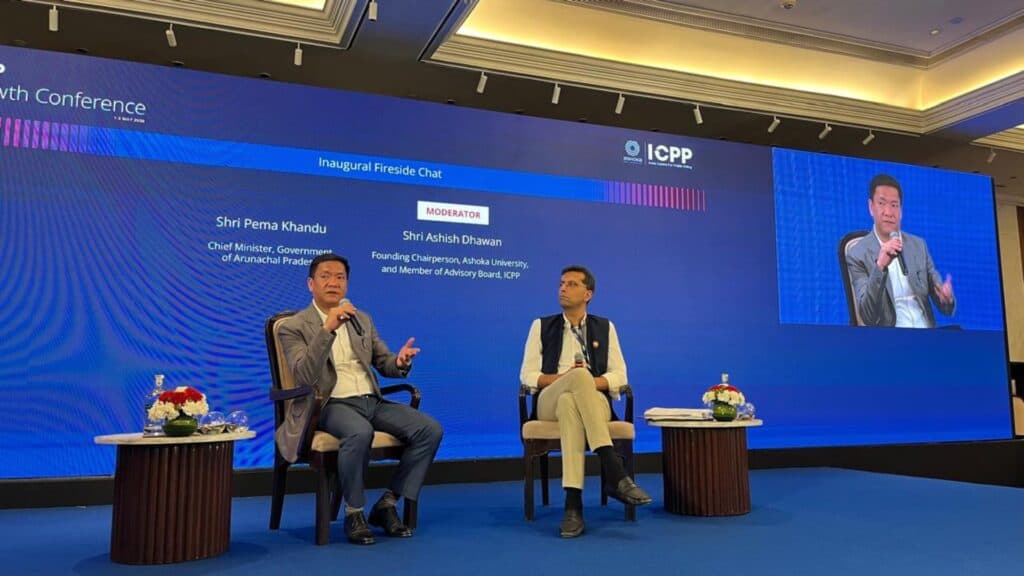
The conference opened with an inaugural session featuring Shri Pema Khandu, Chief Minister of Arunachal Pradesh, in conversation with Ashish Dhawan, Founding Chairperson of the Board of Trustees at Ashoka University. Shri Khandu emphasised the tremendous growth trajectory which the state of Arunachal Pradesh has undergone in the last few years.
‘Arunachal Pradesh is a rich state with ample resources and huge potential. In the last 10–11 years, we have seen a positive impact—with improvements in connectivity, extension of rail networks and growth in sectors like hydropower, tourism, agriculture and horticulture. Today, we are known as a resourceful state and a powerhouse of India,’ he said.
A recurring theme across discussions was the importance of building structural resilience amid global uncertainty while sustaining economic growth. Speakers emphasised that achieving the vision of Viksit Bharat 2047 would require consistent long-term growth, continued investment in infrastructure, stronger financial systems, and policy reforms that improve productivity and competitiveness.
Reflecting this sentiment, Professor Prachi Mishra, Director and Head of the Isaac Centre for Public Policy, noted, ‘I definitely believe we can achieve 7–8% growth. There will be years of shocks that may bring lower growth, but if we build structural resilience and maintain strong macroeconomic stability, there will also be years where growth exceeds this range—helping us stay on track over the long term.’
The conference also highlighted emerging priorities such as deep technology, research and innovation, agriculture, skilling, and state-led development as critical drivers of future growth.
On the future of work, discussions focused on the transformative impact of artificial intelligence and the need to align India’s skilling ecosystem with changing labour market demands. Experts noted that while AI will reshape cognitive work, it also presents significant opportunities to enhance productivity, improve service delivery, and create new avenues for growth across sectors.
The conference also explored India’s evolving position in the global economy, with discussions on trade, supply chains, and the role of Free Trade Agreements in strengthening competitiveness.
Addressing the concluding session, Chief Economic Advisor Dr V. Anantha Nageswaran said, ‘These free trade agreements give us access to foreign markets and, more importantly, expose our businesses to competition—helping them measure up and become more competitive. They will position India not only as a global manufacturing hub but also ensure that we do so in a competitive manner’.
The two-day conference concluded with a strong emphasis on collaborative policymaking and the importance of continued dialogue between government, industry, academia, and civil society to address India’s most pressing development challenges.