





Resident Assistants: The Architect of Community and Belonging
What makes the RA role impactful is that community building is not treated as a separate responsibility. It is embedded in the everyday. It lies in showing up consistently, noticing what others miss, and responding before situations escalate
 0
0


A residential campus is often understood through its visible structures, buildings, systems, and routines. But what holds residential life together is far less visible. It is built in corridors, common rooms, late-night conversations, and everyday moments of intervention. At the centre of this are Resident Assistants (RAs), who shape the residential experience not through authority, but through presence, consistency, and trust.
RAs occupy a unique position in the residential ecosystem. They are close enough to student life to notice what shifts before anyone else does, and responsible enough to know when those shifts need escalation. In many ways, they function as the first watchtower of residential life, close enough to notice when something feels off, and trusted enough to ensure it does not go unnoticed. This is what makes their role critical.
They are often the first to identify when a medical concern needs immediate attention, when a mental health situation requires urgent escalation, or when a roommate disagreement has moved beyond routine conflict and needs structured intervention. In these moments, RAs do not work in isolation. They identify, respond, and coordinate closely with the Residence Life Office to ensure timely action, often long before a situation becomes formally visible.
A large part of this work happens quietly. It is noticing that a student who usually studies in the common room has not left their room in two days. It is checking in after a resident misses meals, skips class repeatedly, or begins withdrawing from the floor. It is being called to a room at 2 a.m. because someone is having a panic episode, sitting through the immediate distress, and alerting the Residence Life team for further support.
In such moments, an RA often becomes the first anchor in the storm, holding immediate distress steady long enough for support systems to take over. It is stepping into a room before a roommate conflict turns hostile, diffusing tension, and helping both students return to a livable arrangement.
In moments of interpersonal strain, they often work as pressure valves, stepping in early, diffusing friction, and preventing everyday tensions from hardening into lasting conflict. These are not headline moments, but they are often the reason larger crises do not unfold.
This is the part of community building that rarely gets acknowledged. RAs do not simply organise student life; they stabilise it. They are often the first point of contact in moments of distress, and the first to flag concerns that require institutional intervention. In medical situations, they often function as the first alarm system, responding in real time, assessing urgency, and ensuring help reaches the student without delay.
Their coordination with the Residence Life Office is constant and often immediate, whether for medical emergencies, mental health escalations, student safety concerns, or behavioural issues requiring follow-up. Much of residential stability depends on how effectively this first layer functions.
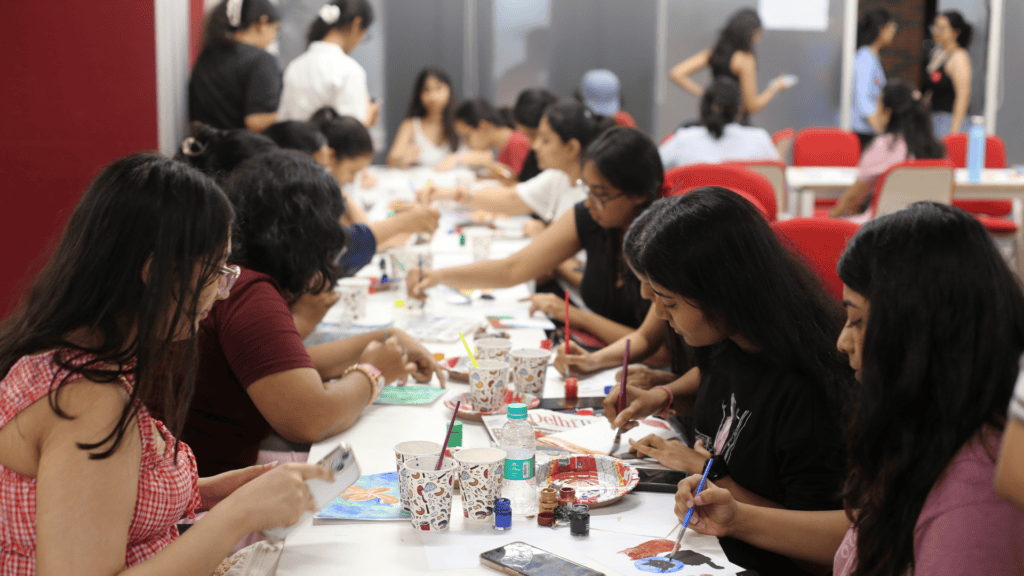
At the same time, RAs are responsible for creating the culture of everyday belonging. This is where their work becomes visible. Through flagship engagements such as Timeout, TGAW, Dorm Olympics, Coffee and More, Candid Coffee Conversations, Care and Share Series, Secret Santa, and seasonal campaigns such as the Monsoon Campaign and Spring Campaign, RAs create regular points of connection within residence life.
They also act as social bridges, connecting students to spaces, people, and conversations they may not have entered on their own. These engagements are carefully designed touchpoints that create familiarity, build peer trust, and make communal living feel less transactional and more human.
This culture-building extends to the floor level as well. Across each semester, RAs design and execute three cycles of floor engagement, active and passive interventions, alongside theme-based programming shaped around student needs.
Whether through wellness-focused engagements during the monsoon semester or conversations around substance use and abuse in the spring, these floor events are often the most immediate and relevant forms of community engagement because they emerge from what students are actually navigating in that moment.
Their role becomes even more critical with the arrival of a new cohort. For incoming students, residential life is often their first experience of independence, new systems, new academic expectations, unfamiliar social dynamics, and the emotional weight of learning how to live away from home. RAs are often the first people who make this transition feel manageable.
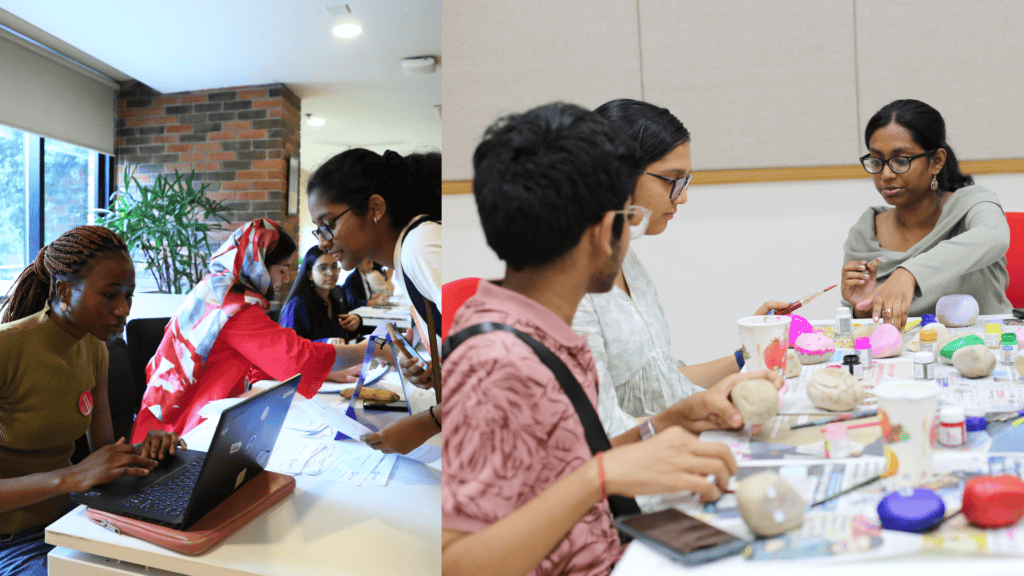
More often than not, they become the first familiar face in an unfamiliar system, helping students navigate campus systems, settle into shared living, decode academic rhythms, and adjust to the pace and expectations of university life. Just as importantly, they help make an unfamiliar place feel familiar. They are often the first reason a student begins to feel at home.
What makes the RA role impactful is that community building is not treated as a separate responsibility. It is embedded in the everyday. It lies in showing up consistently, noticing what others miss, and responding before situations escalate. It is in the ability to build trust while maintaining accountability, and to hold care and responsibility in equal measure.
Most of this work is not glamorous. It is repetitive, emotionally demanding, and often invisible. But that is precisely what makes it matter.
‘To say that RAs build communities is true, but incomplete. What they really do is act as the unseen framework that keeps residential life steady, holding its people, pressures, and moving parts together, often without being noticed. Through instinct, consistency, and quiet leadership, they shape residence halls into spaces where students do not simply stay, but learn how to belong.’
– Swati Choudhary, Deputy Director, Residence Life Office, Ashoka University
In the process, RAs themselves leave with far more than operational experience. They learn how to manage people, navigate conflict, respond under pressure, communicate with empathy, and make decisions with maturity and discretion. These are not just residential skills; they are life skills, ones that stay with them well beyond campus, shaping how they lead, work, and relate to people in the years ahead.