Ashoka University

Other links:

Other links:

Innovative Pedagogy

The Young India Fellowship attracts renowned academicians, practitioners and experts in the field to the classroom, and gives them the autonomy to innovate, create and craft curricula. This is a rare freedom within academia and ensures an unparalleled teaching and learning experience, not just for YIF, but across all programmes at Ashoka University.

Watch Listen


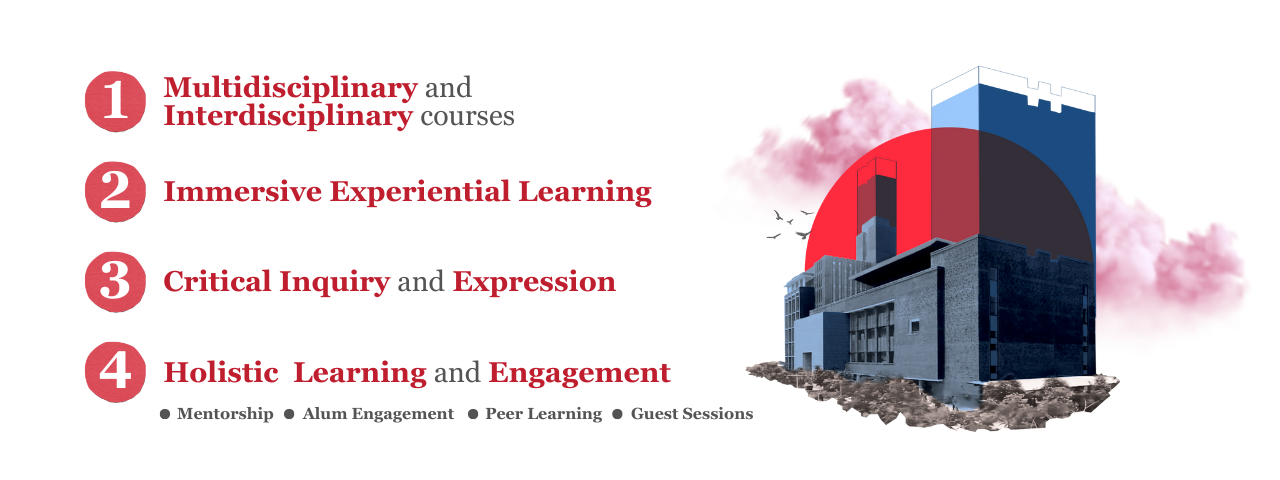
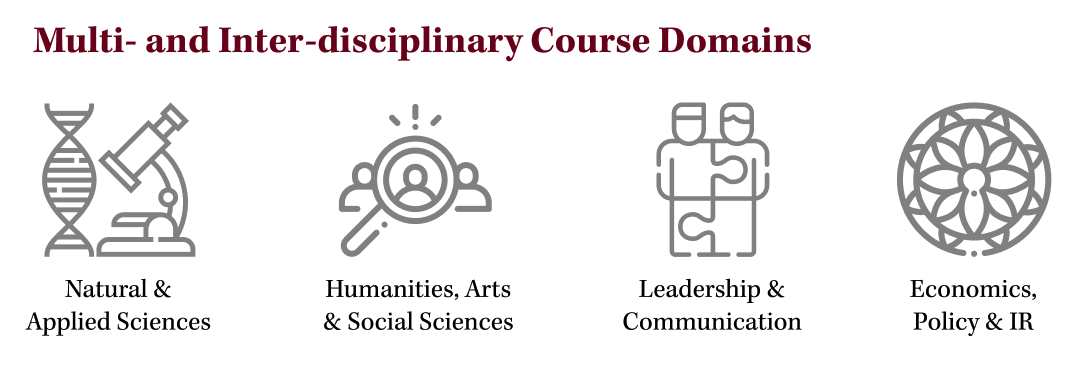
Ashoka has institutionalised the Socratic way of teaching: focusing on teaching students how to think rather than just what to think. Each course offering is from a distinct academic or professional domain, while several are interdisciplinary in nature. Course offerings include public policy, art appreciation, statistics, data, psychology, philosophy, gender studies, group dynamics, design thinking, communication, international relations and more. Broad course domains are as follows:


Fellows study a total of ~18 courses during the year-long programme. Several of these courses are taken by all Fellows, while several are taught as choice-based Electives and Seminars in smaller sections.

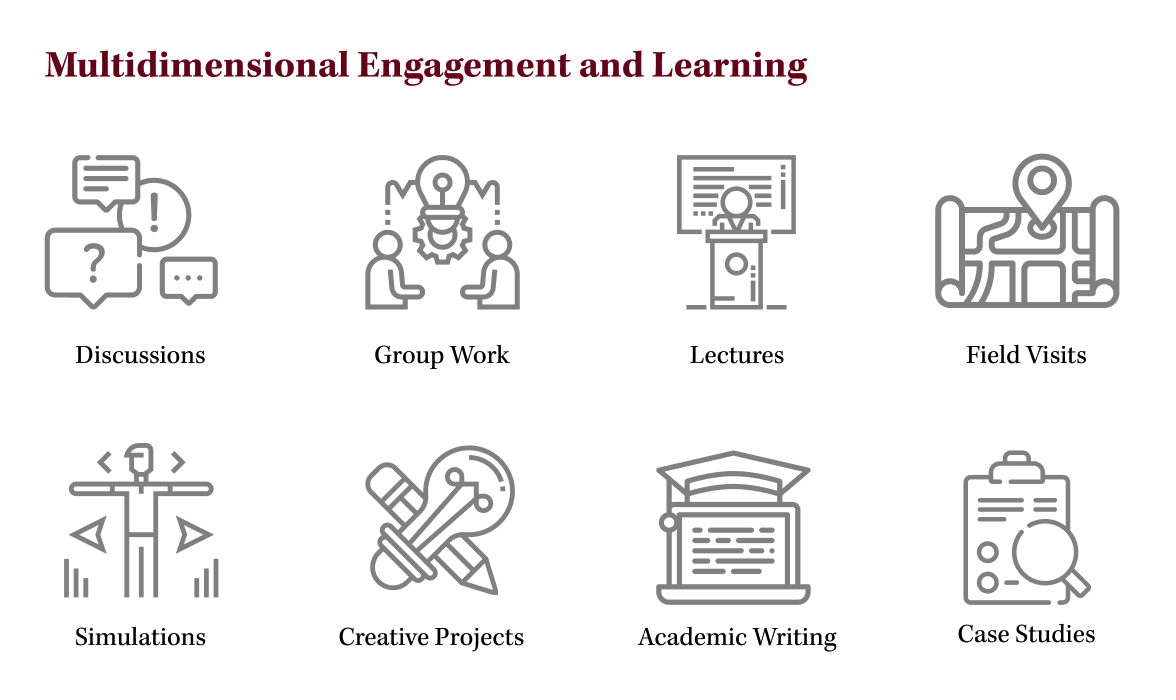
The diversity in courses is also reflected in the varied styles of teaching and assessment, which include discussions, seminars, field visits, presentations and group work. While catering to multiple learning styles, this allows Fellows to learn from a range of perspectives, and prepare themselves to be critical thinkers who can connect the dots.

Faculty at the YIF

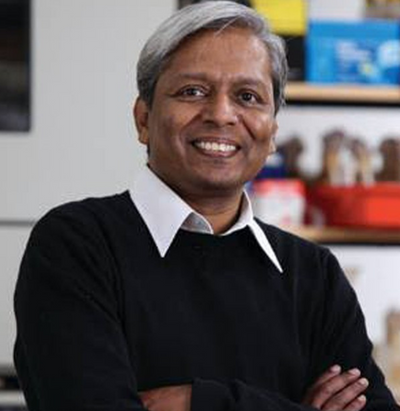
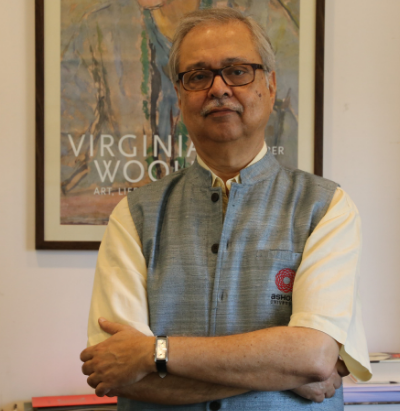
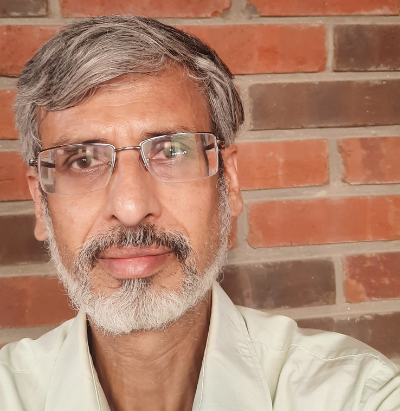
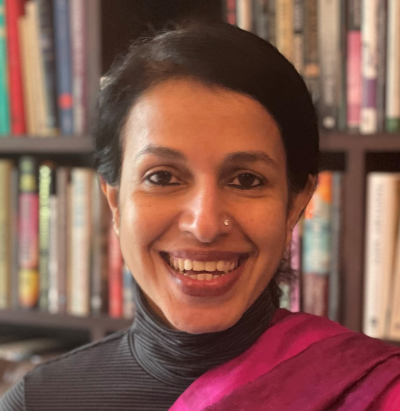
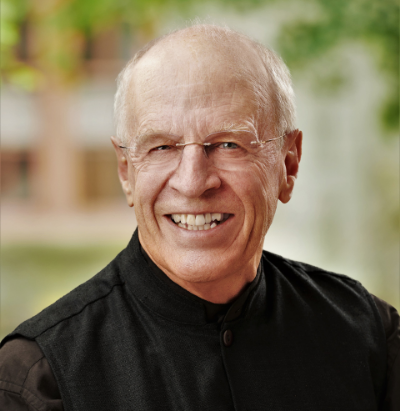
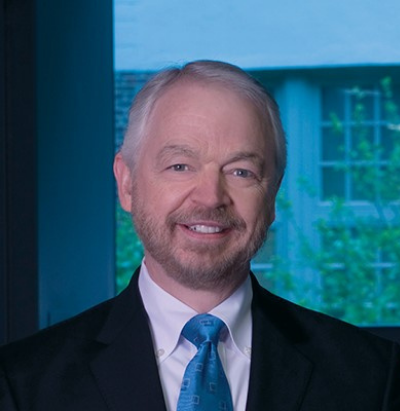
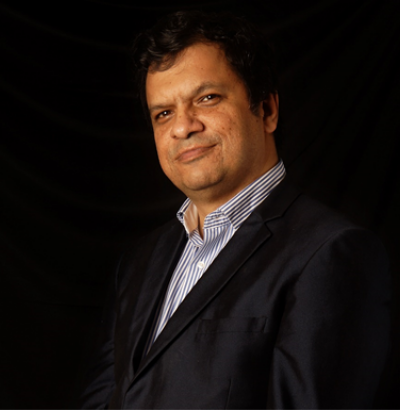
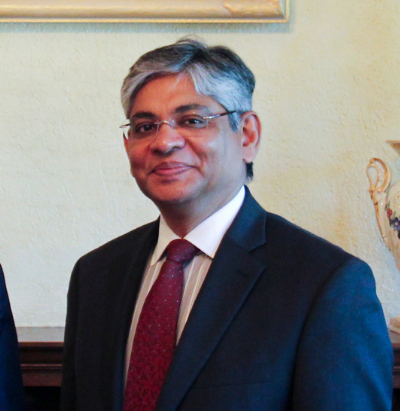
Renowned faculty from Ashoka University and partner institutions (such as the University of Pennsylvania), and practitioners from leading institutions globally teach at the YIF. The following is a non-exhaustive list of current and recent faculty at the YIF.

Courses at the YIF

Below is a list of core and elective courses from the previous academic year. Please note that several courses change year on year, and the following is appended for the reader to get a sense of the kinds of courses that are offered to the Fellows:

YIF 2024-25 – Core and Elective Courses
JM Financial Lectures on Reason and the Making of Modern India
Rudrangshu Mukherjee, Chancellor and Professor of History, Ashoka University
Leadership Lab: Unleashing Potential and Deepening Intent
Pramath Raj Sinha, Chairperson, Board of Trustees, Ashoka University
Problem Solving and Statistical Thinking in Modern Life
Santosh S Venkatesh, Professor of Electrical and Systems Engineering, University of Pennsylvania
Shakespeare and the World
Jonathan Gil Harris, Professor and HoD of English, Ashoka University
Madhavi Menon, Professor of English, Ashoka University
Art Appreciation
Anunaya Chaubey, Provost, Anant National University
Economic Reasoning and Public Policy: An Introduction to Applied Microeconomics
A K Shiva Kumar, Development Economist
The New Geography of the Information Age
Debayan Gupta, Assistant Professor of Computer Science, Ashoka University
Basic Group Dynamics and Advanced Group Dynamics
Kenwyn K Smith, Former Professor of Organisational Behaviour, University of Pennsylvania
Visual Communication and Cinematic Techniques
Meenu Gaur, Filmmaker and Screenwriter
Women, Society, and Changing India
Urvashi Butalia, Padma Shri; Writer and Founder, Zubaan Books
Deconstructing Select Indian Foreign Policy Challenges and Responses: A Practitioner’s Perspective
Arun Kumar Singh, Former Indian Ambassador to the United States, France and Israel
Design Thinking and Innovation
Ranjan Banerjee, Dean and Professor, BITS School of Management
Science of Emotions and Empathy: A Toolkit of Concepts and Techniques
Bhismadev Chakrabarti, Professor of Neuroscience and Mental Health, University of Reading
Democracy and Certainty
Sunil Khilnani, Former Professor of Politics and Director of the King’s College London India Institute
Science and Technology in the Context of Climate Change, Changing Geopolitics, and the Demand for Sustainable Development
K VijayRaghavan, Former Principal Scientific Advisor, Government of India
Trade, Trust, and Peace in South Asia
Sanjay Kathuria, Former Lead Economist, The World Bank
The Welfare State
Mekhala Krishnamurthy, Associate Professor of Sociology and Anthropology, Ashoka University
Language, Politics, and Society in India
Kathryn Collins Hardy, Assistant Professor and HoD of Sociology and Anthropology, Ashoka University
Literacy in the Age of AI
Jaspreet Bindra, Founder and Managing Director, Tech Whisperer Limited, UK
Great Ideas, Hard Numbers
Gautam Menon, Dean, Research and Professor of Physics and Biology, Ashoka University
Sustainable Development: How Can We Align Social Justice, Biodiversity Conservation, and Climate Action?
Meghna Agarwala, Assistant Professor of Environmental Studies, Ashoka University
Devolution, Development, and Democracy
Amarjeet Sinha, Former Advisor in Prime Minister’s Office, Government of India
States, Sciences, and Societies: Environmental Challenges and Debates, 1970-2020
Mahesh Rangarajan, Professor of Environmental Studies and History, Ashoka University
The Politics of India’s Economy
Praveen Chakravarty, Chairman, Professionals’ Wing and Data Analytics, Indian National Congress
Exploring the Universe
Somak Raychaudhury, Vice-Chancellor and Professor of Physics, Ashoka University
Dipankar Bhattacharya, Sunanda and Santimay Basu Professor of Astrophysics and HoD of Physics, Ashoka University
Indian Macroeconomy and Financial Regulation: An Overview
K P Krishnan, Former Secretary, Ministry of Skill Development and Entrepreneurship, Government of India
Global Mental Health: A Primer to Decrease Human Suffering and Increase Thriving in the World
Srishti Sardana, Assistant Professor of Psychology, University of Wisconsin-Milwaukee


Cross-Registered Courses

Fellows can now pursue credit-bearing courses offered by different departments at Ashoka University, supplementing what they learn through the YIF curriculum. These cross-registered courses encompass a wide range of subjects, and presently Fellows undergo a brief selection process to partake in this opportunity. At present, this opportunity is available both for the Monsoon and Spring Semesters of the Academic Year, in parallel to the YIF Academic Calendar. Appended below is a list of cross-registered courses taken by Fellows:

YIF 2024-25 – Monsoon 2024
Political Ecology of FoodAmita Baviskar
Metaphysics: Time, Change and CausationArindam Chakrabarti
Magic, Science and ReligionRavindran Sriramachandran
Reading ArchaeologySanjukta Datta
Body in Performance: Embodied Self, Performed IdentityNavtej Johar
Storytelling in the Digital AgeNatasha Badhwar
Indian State in a Comparative PerspectiveAnustubh Agnihotri
State, Stateless Societies and Problems of Power Swargajyoti Gohain
Technology Law and PolicyNikhil Sud
Artificial Intelligence and Data AnalyticsTushar Jaruhar
Branding and Consumer BehaviourVani Dandia
Business Analysis and StrategyAkhil Dhawan and Sanjay Kukreja
 
YIF 2023-24 – Monsoon 2023 and Spring 2024
Living with Purpose: Tools for Life from Psychology, Neuroscience and Cognitive Well-Being – Arvinder J Singh
Deconstructing Social Sector Systems in India – Seema Bansal
Entrepreneurial Strategies for Climate Action – DVS Seshadri
Decoding Generative AI – Jaspreet Bindra
In Pursuit of Service Excellence – Aditya Ghosh
Life Design Lab – Navyug Mohnot
Integrated Digital Marketing Strategy – Shradha Agarwal
Business Analysis and StrategyAkhil Dhawan and Sanjay Kukreja
Startup Incubation LabSrikant Sastri


The curriculum details provided here are subject to change at the Programme’s discretion. Any necessary updates will be communicated to the YIF Class of 2026 after enrolment.

Become a Fellow
Sticky Button