








Achieving Equilibrium: Academics and Adventure
From intensive coursework to solo trips across Europe, Ryan Sengupta shares how he balanced academics and exploration during his LSE Summer 2025.
 0
0

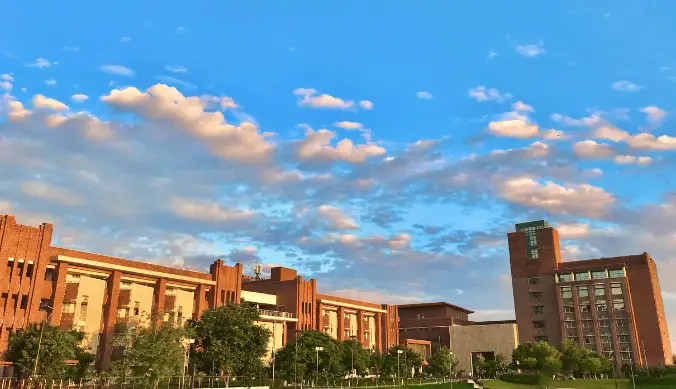
While looking at London through the windows of the black cab, my eyes went to the LSE “world turned upside down” globe. That was my first glimpse of LSE. No huge gates, no boundary walls, no demarcated campus spaces, LSE barely seemed like a university in the first place. A cluster of haywire buildings dropped in the middle of central London, as opposed to Ashoka, which had all the features of being the ‘usual unified’ university in the middle of Rai, Sonipat. This was the biggest change that took me some time to stomach.
Being a third-year PPE Major with an Economics Specialisation and a minor in IR, all the courses on the LSE summer school catalogue seemed extremely lucrative. Courses in topics ranging from quantitative economics to international relations made choosing just one or two of them feel like an insurmountable task. I finally decided to take Intermediate Microeconomics in Session One and Probability and Statistics for Economics and Econometrics in Session Two. Like many others, I felt it was better to complete the required courses here at LSE rather than doing them at Ashoka, thereby freeing up space for more classes in a semester.
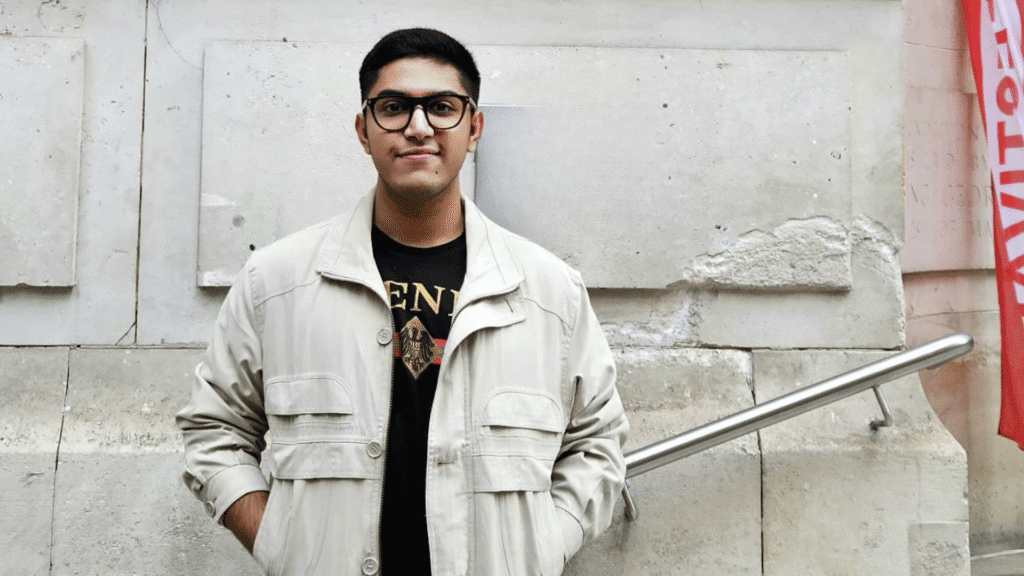
I had arrived in London 4 days in advance of the start of my session, and hence I could explore most of the tourist destinations myself and get well acquainted with the Tube. Being on the Strand, the Big Ben and Parliament had become monotonous by the third day. I did the hop-on, hop-off, the British Museum, the Natural History Museum, and Sea Life with my mother while she was here. London is one of the most multicultural cities in the world that I have visited. The Lyceum Theatre, where The Lion King is enacted, was just across the street from my home and adjacent to it was an Indian restaurant, “Paro: Calcutta’s love affair”, that made it look enticing. By the 3rd week of my stay in London, I had eaten out at perhaps every single restaurant in Covent Garden.
From the very first day, classes were intense, and we were expected to be on top of the material. We ended up covering the entire Micro 1 syllabus from Ashoka, Micro 2 and some advanced microeconomic topics in great detail in the span of three weeks. While this seems next to impossible, with a 5-day work week with 4 hours of classes every day, it was made possible.
LSE also holds a lot of optional events and SPARK sessions that help you in networking and learn more about career growth and skill development. By the first week, we had covered a whole lot of concepts in class and had done a total of 6 problem sets in the span of 5 classes. Initially, this seemed very straining, but later, there was a certain joy to solving these questions every day.
I had arrived in London directly from Milan and had a recently renewed Schengen Visa; owing to that, I chose to embark on a solo journey to Brussels during the weekend. In one day, I had seen the Manneken Pis dressed as a Smurf, the Brussels centre, the museums, the cathedrals, the European parliament, the Atomium, and nearly caught a sight of Rihanna at the global premiere of the new Smurf movie. From there, I left for Bruges, where I explored the centre and canals on foot. The one thing that made the trip extremely worthwhile was the food that I had. After my finals were done, I left for Amsterdam and did canal cruises and ate out at traditional Dutch restaurants, trying the authentic stroopwafels, the raw herrings, Stamppot and the Erwtensoep.
Consider your time at LSE to be a basic optimisation problem. You have 24 hours, and you want to allocate your time in such a way that at the end of the day, you are content with your social life in London while also having achieved the maximum grades possible. It is important to strike this balance while you are here in London.

Study at Ashoka
