








Conferences
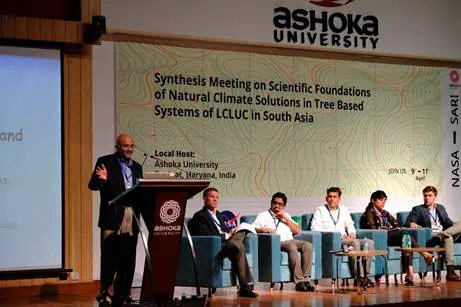
NASA’s South Asia Regional Initiative (SARI) Meeting, April 9-11, 2024:
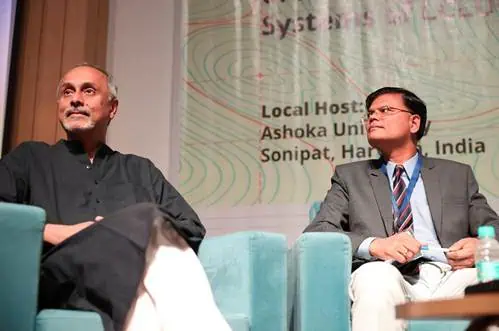
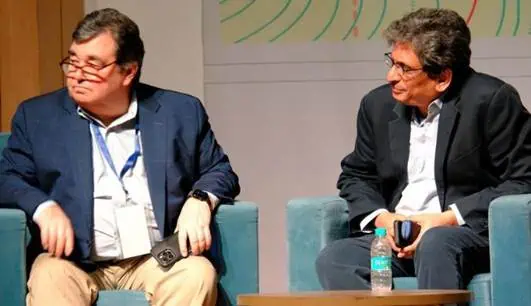
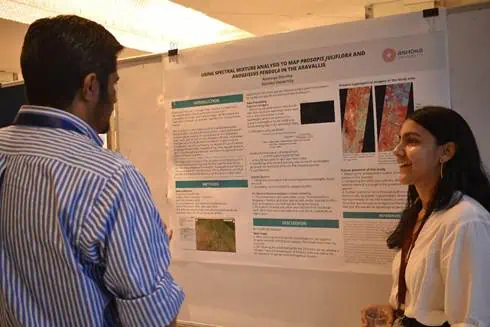
Ashoka University co-hosted this meeting, fostering collaborative discussions on regional environmental sustainability. The event brought together academics, practitioners and policymakers to address critical issues like climate change, water resources, and disaster management.
This event was organised by Prof. Meghna Agarwala. For more details on the event, please visit the following link.
International Conference on River Islands: “Redefining the Anthropocene”, Oct 16-17, 2023:
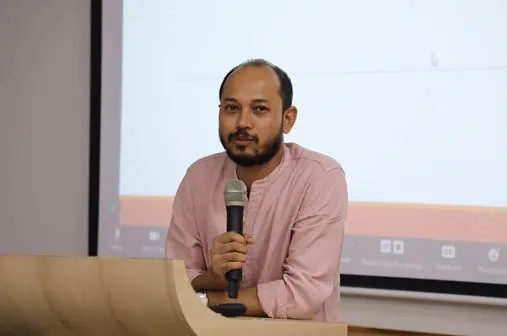
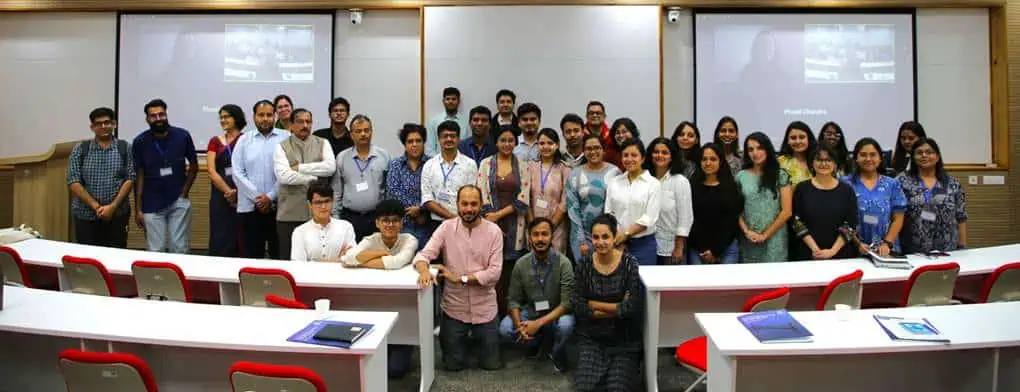
Prof. Mitul Baruah from Ashoka University hosted the above international conference in collaboration with IIT Kharagpur and the Indian Council of Social Science Research (ICSSR). As the first-ever international conference on river islands, this event remains historic, and Ashoka University is proud to have organised such an important event.
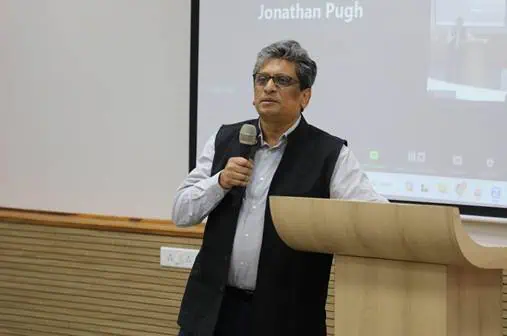
The two-day conference brought together young researchers, established scholars, and practitioners from across disciplines and geographies, covering a wide range of river systems from South Asia and beyond. Prof. Somak Raychaudhury, Vice-Chancellor, Ashoka University, formally inaugurated the event followed by a thought-provoking inaugural speech by Prof. Kuntala Lahiri-Dutt from The Australian National University. Her talk was titled, “Why and How are River Islands Redefining the Anthropocene.” There were two keynote lectures. On Day 1, Jonathan Pugh, Professor of Island Studies, Newcastle University, delivered a keynote titled, “Negating Islands: Non-Relational Geographies.” The keynote on Day 2 was delivered by eminent historian Arupjyoti Saikia, Professor, IIT Guwahati. The title of his talk was: “Profits, Distress and Speculation: Assam’s River Islands in the Age of Colonialism.”
For more details on the event, please visit the following link and Video
Workshops
DNA metabarcoding workshop, June 4th, 2025:
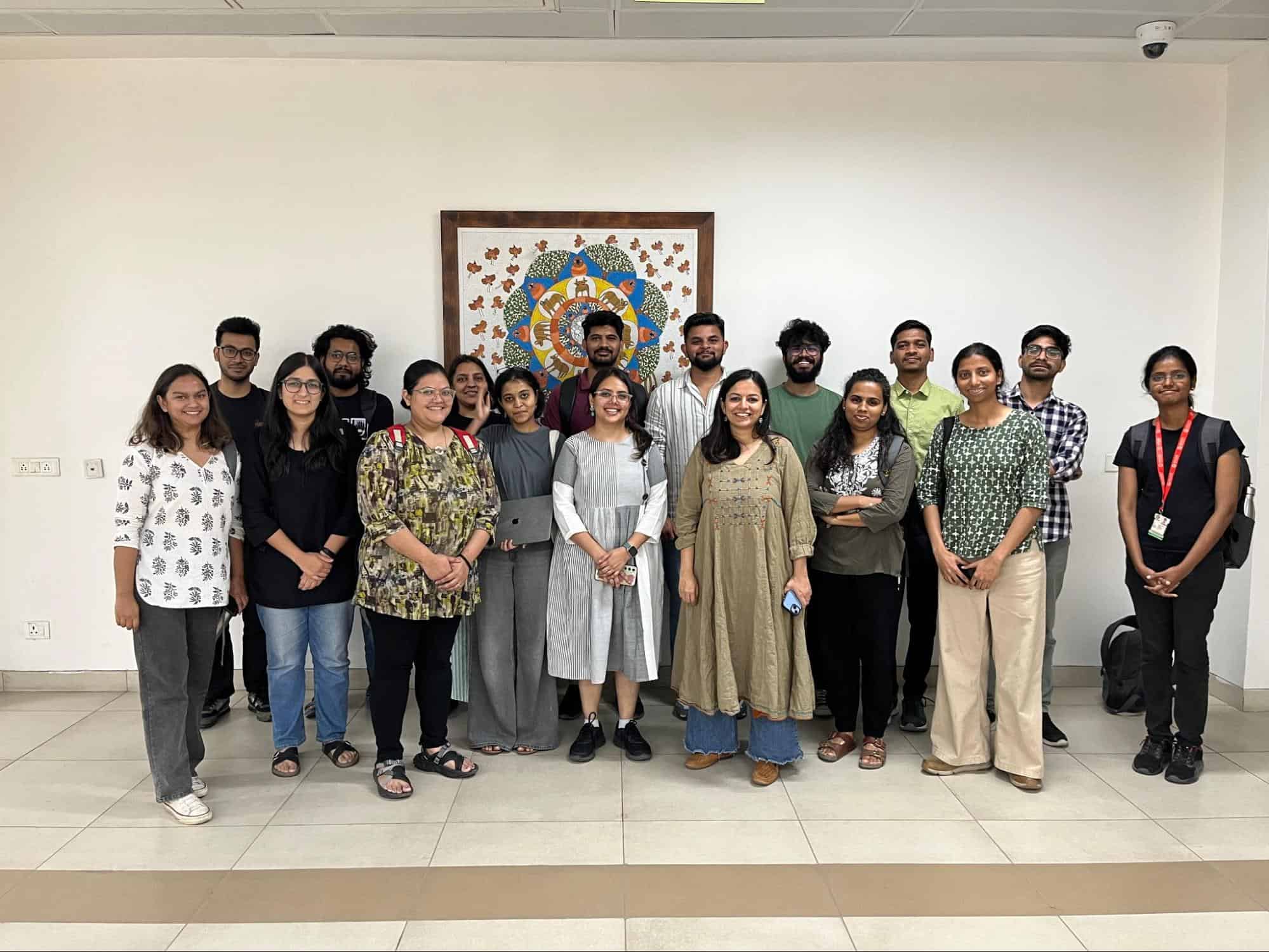
The Environmental Studies Department at Ashoka University conducted a one-day workshop on June 4th 2025, covering topics on the theory and the workflow of DNA metabarcoding methods. The workshop included an overview of the technology, key methodologies, case studies, and a hands-on session to equip participants with practical knowledge. The workshop was conducted by Dr. Abhinav Tyagi, postdoctoral fellow at the National Centre for Biological Sciences (NCBS), Bengaluru. The workshop was open to members outside Ashoka University as part of the department’s outreach programme. It was organised by Prof. Manvi Sharma, Assistant Professor, Environmental Studies.
Overview of workshop
DNA metabarcoding is revolutionising the way researchers approach ecological, disease biology, and wildlife conservation questions. By enabling the analysis of environmental and biological samples, such as soil, scats, marine water, and insect gut contents, this method provides insights into diet composition, biodiversity, and microbial communities. This workshop aimed to bridge the gap between theoretical understanding and practical application of DNA metabarcoding techniques, focusing on their role in addressing ecological and disease-related problems.
Objectives:
- To introduce the principles and applications of DNA metabarcoding.
- To highlight how this technology is being used to address ecological and disease biology questions.
- To provide attendees with practical insights into experimental design, sample preparation, and data interpretation.
- To foster interdisciplinary collaboration and knowledge exchange among participants.
About the speaker
Dr. Abhinav Tyagi
Abhinav Tyagi is a molecular ecologist and conservation scientist, currently a postdoctoral fellow at the National Centre for Biological Sciences (NCBS), Bengaluru. His research focuses on understanding the impacts of habitat fragmentation and isolation on genetic diversity and connectivity in various species of conservation concern. Abhinav is also interested in applying genomic tools to investigate dietary dynamics and human-wildlife interactions, particularly in contexts where high-quality samples are difficult to obtain. He is dedicated to developing and optimising methods that make wildlife genomics more accessible and practical for conservation applications. His work aims to inform conservation strategies that enhance ecological integrity while addressing critical management challenges. Abhinav is a recipient of the prestigious David H. Smith Conservation Research Fellowship 2025.
