





Facilities
Trivedi School of Biosciences is fully-equipped with essential and advanced instruments which facilitate innovative research projects. The facilities available to the Trivedi School of Biosciences includes Ashoka Molecular Biology Research Lab, Central Imaging Facility (CIFA), Datla Human Immunome Lab core facility, High Resolution Mass Spectrometry Facility, Ashoka–ZEISS Core Imaging Facility, Infosys Advanced Chemical Biology Laboratory 1, Infosys Advanced Chemical Biology Laboratory 2, The Real Virtuality Lab, Green house, Evolutionary Immunology Facility, Human Physiology And Wearables Facility.
Ashoka Molecular Biology Research Lab
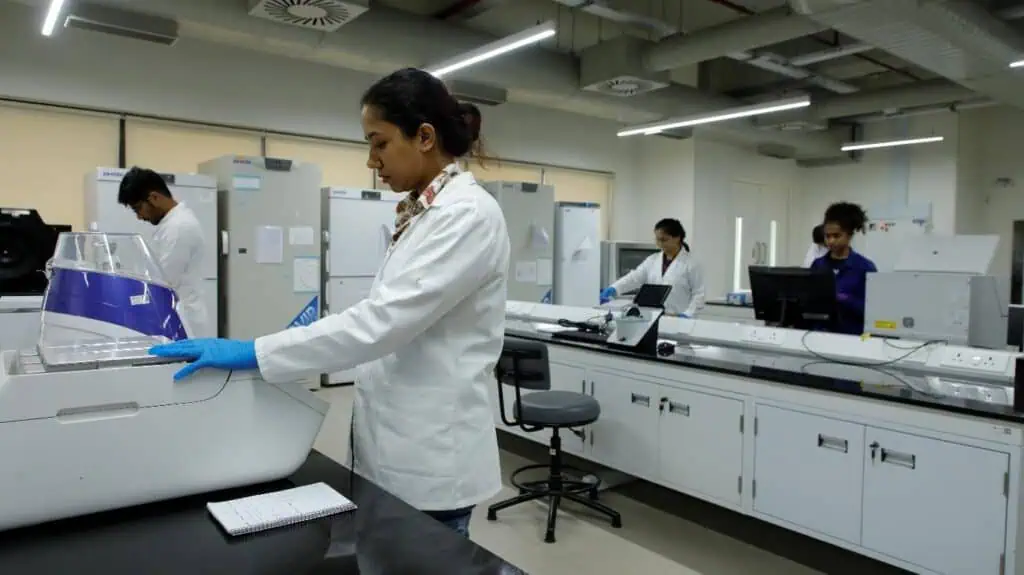
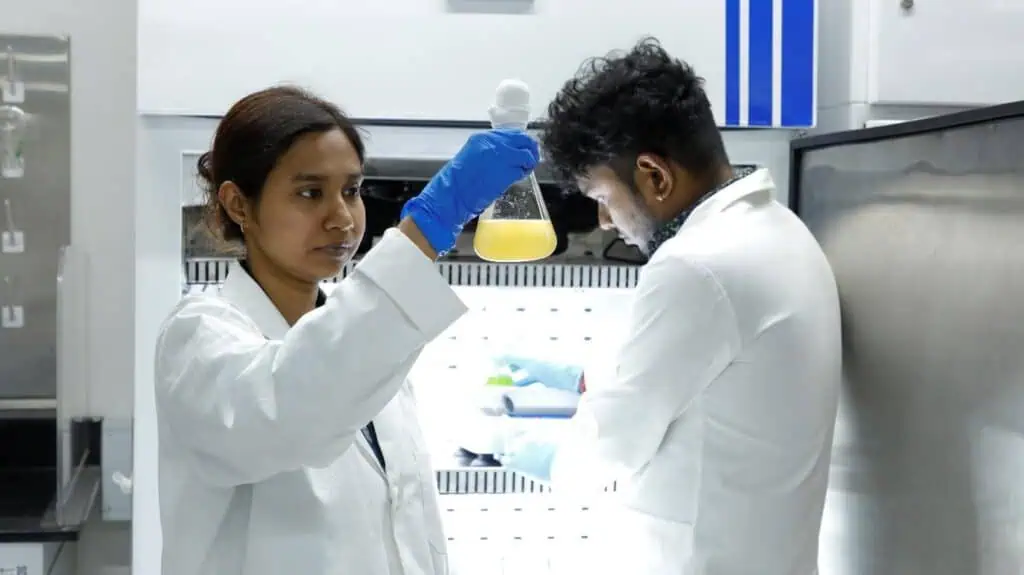
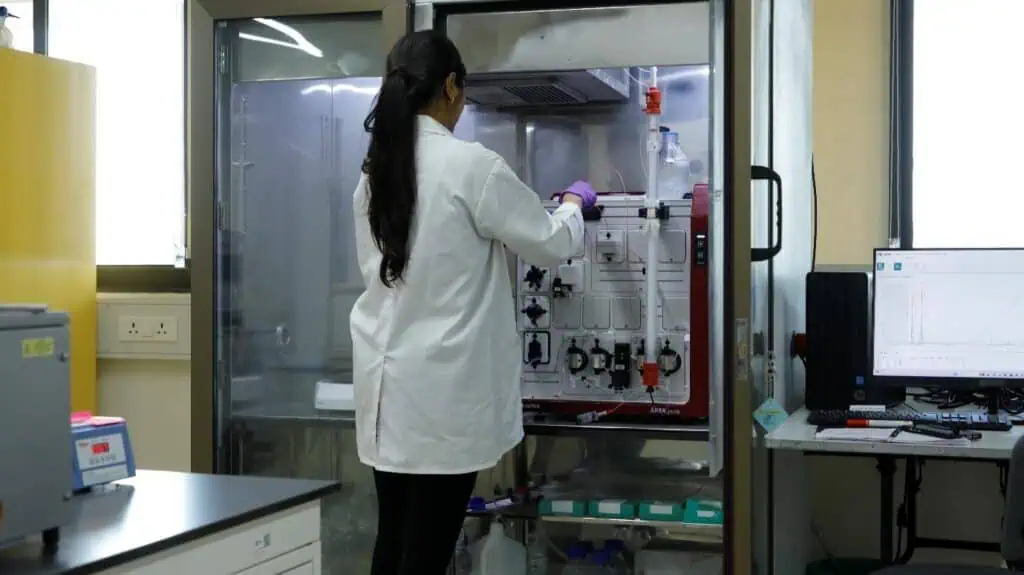
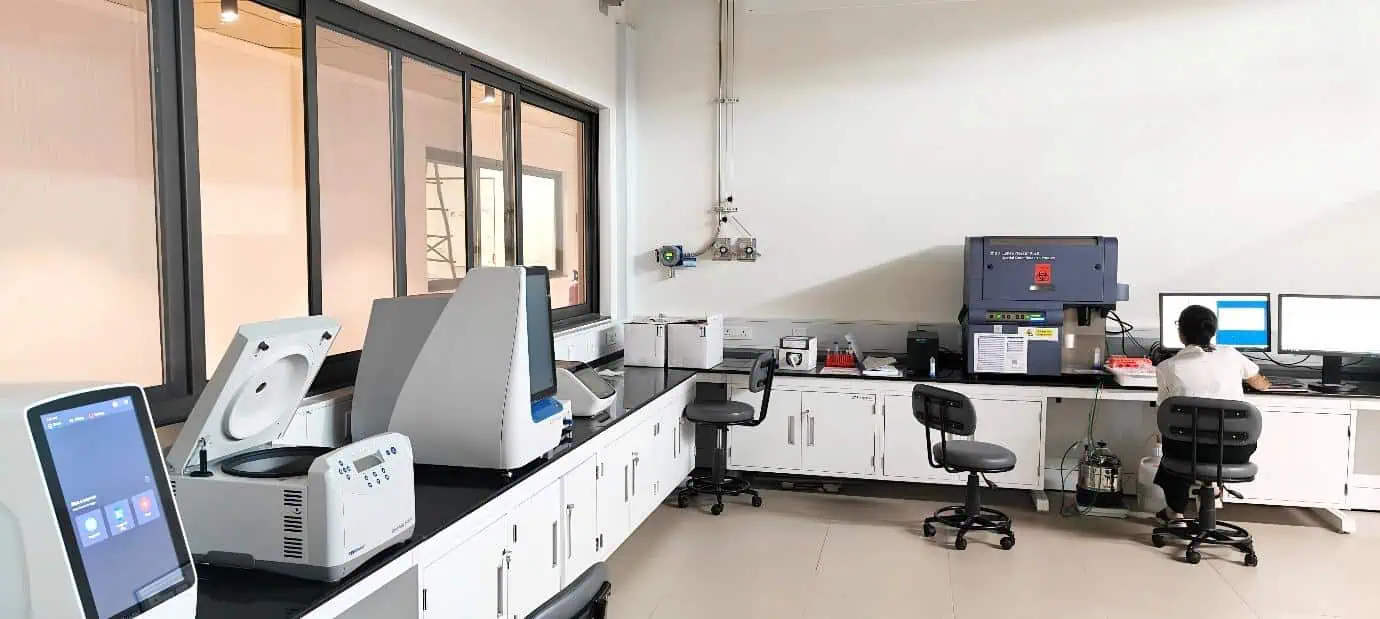
Ashoka Molecular Biology Research Labs are equipped with all high-end general biology equipment required for molecular biology research, including work on highly sensitive samples inside BSL2/2+ level Clean Rooms. These instruments include Digital PCR, RT PCR, Sea Horse, Flow Cytometer, FPLC, Centrifuges, Cell disruptors, Thermomixer, Bioanalyzer, Shaker incubators, Weighing Balances, pH meters, Gel Doc, Transblot, SDS-PAGE & Electrophoresis gel apparatus, Autoclave, Hot air oven, -20/-30 freezers, -80 freezers, 4C freezers, liquid nitrogen, stereo & compound microscopes, Milli-Q water, Ice flaker machine, etc. The open lab at Ashoka provides an interactive scientific environment for researchers.
Central Imaging Facility (CIFA)
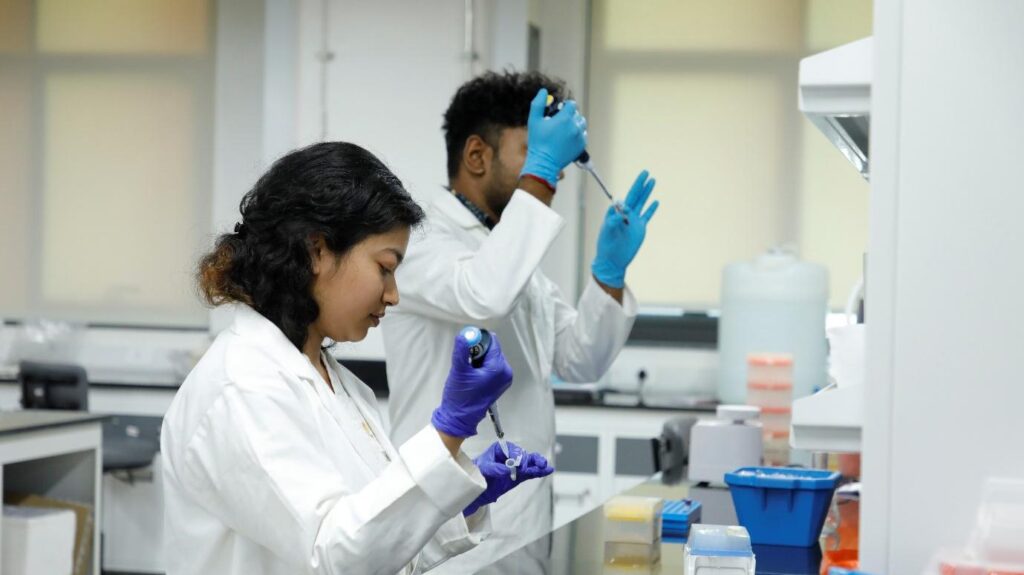
CIFA is an open-access centralized facility where end users receive support to carry out conventional and advanced imaging techniques. The unit has combined resources to provide state-of-the-art equipment that is open to all researchers.
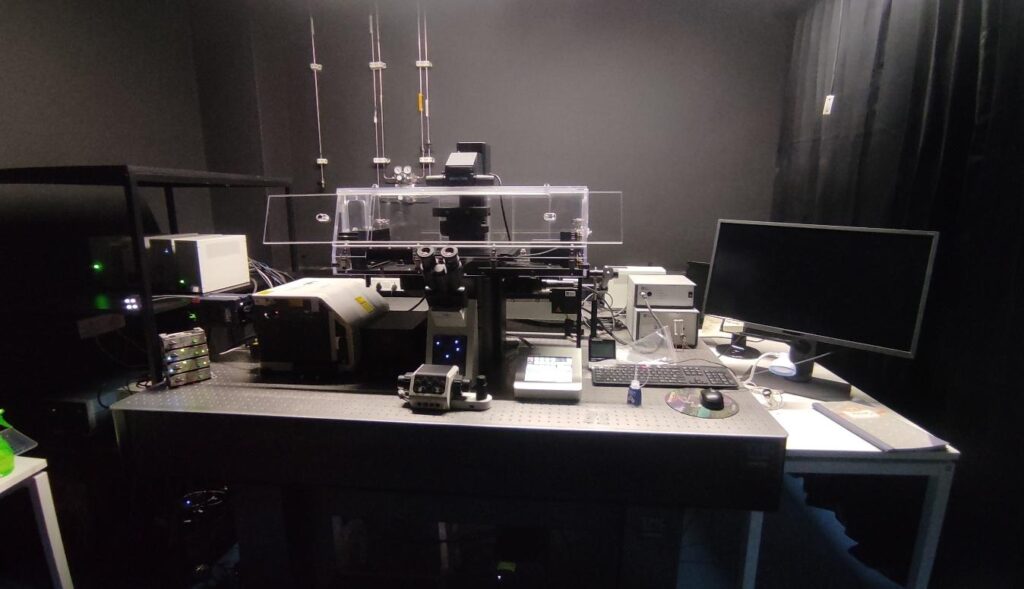
Microscopy facilities at Ashoka University offer a comprehensive suite of technologies, ranging from basic light microscopy to cutting-edge super-resolution systems. Our core imaging portfolio includes basic microscopes (fluorescence and confocal imaging, tissue slide scanning) & to advanced techniques (high-content microscopy, multiphoton microscopy, and lattice light-sheet microscopy, along with super-resolution structured illumination microscopy). For ultrastructural studies, we have recently added a Field-Emission Scanning Electron Microscope (FE-SEM) to our electron microscopy facility, enabling high-resolution nanoscale analysis. Additionally, we have further strengthened our capabilities by integrating spatial-omics platforms, including Hyperion Imaging Mass Cytometry for situ analysis of cells in their native microenvironment within the preserved single tissue section and spatial transcriptomics (MERSCOPE).
Datla Human Immunome Lab Core Facility
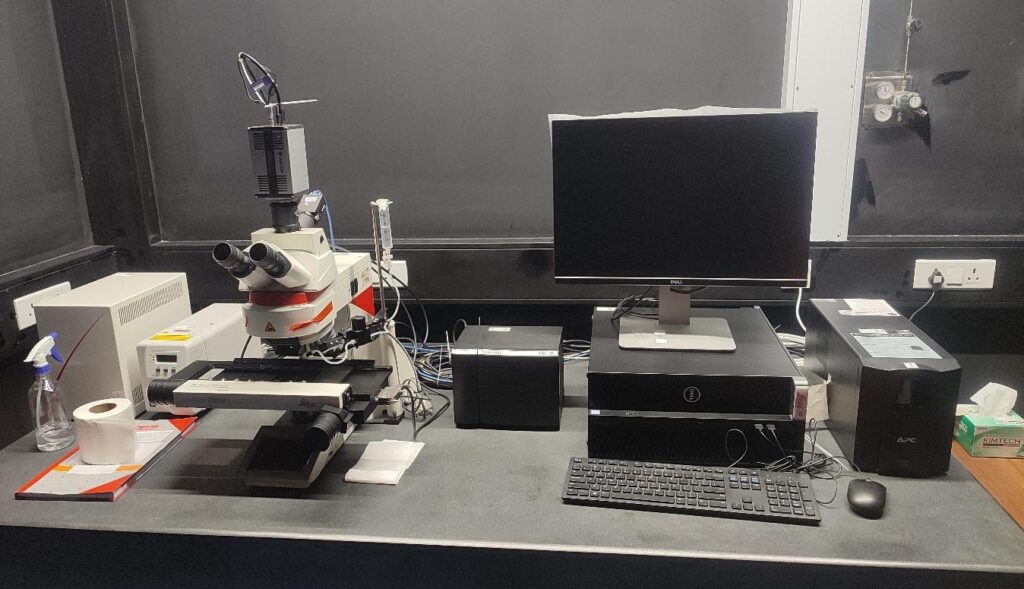
The Datla Human Immunome Lab core facility comprises a set of integrated platforms supporting molecular, proteomic, and cellular analyses. Key instrumentation includes the BD Rhapsody Single-Cell Analysis System for high-resolution single-cell profiling, Olink affinity-based proteomics based on the Proximity Extension Assay (PEA) for multiplexed and targeted protein quantification, and quantitative PCR systems for gene expression analysis and validation. These platforms enable coordinated analysis of gene and protein expression across different biological scales.
High Resolution Mass Spectrometry Facility
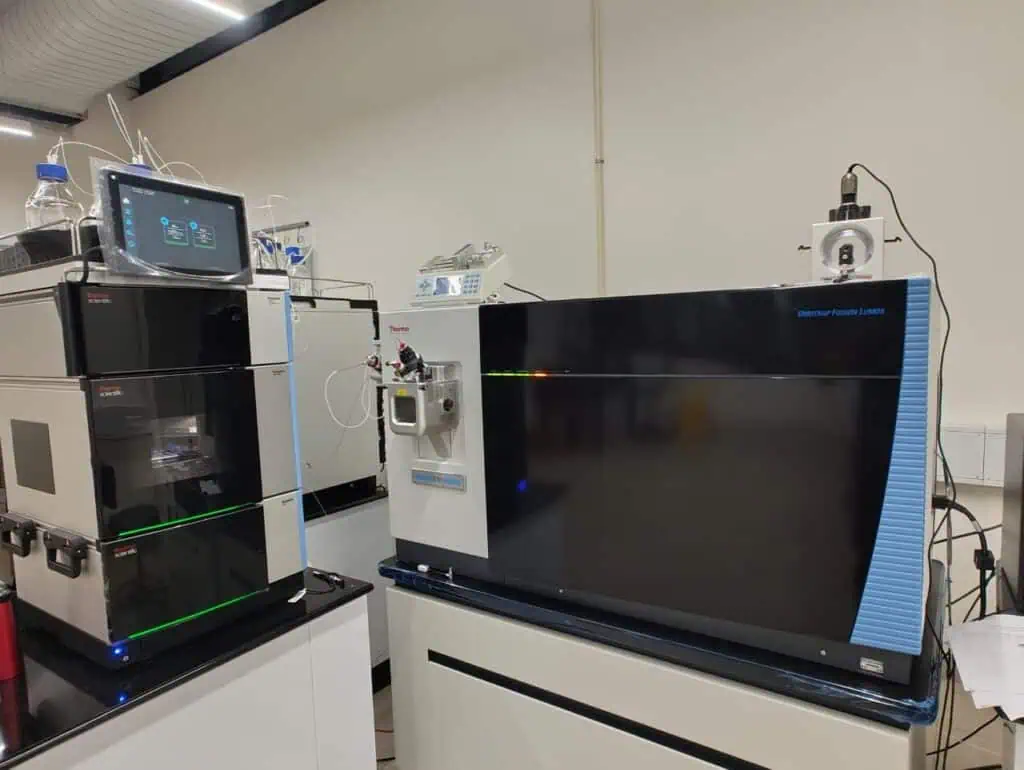
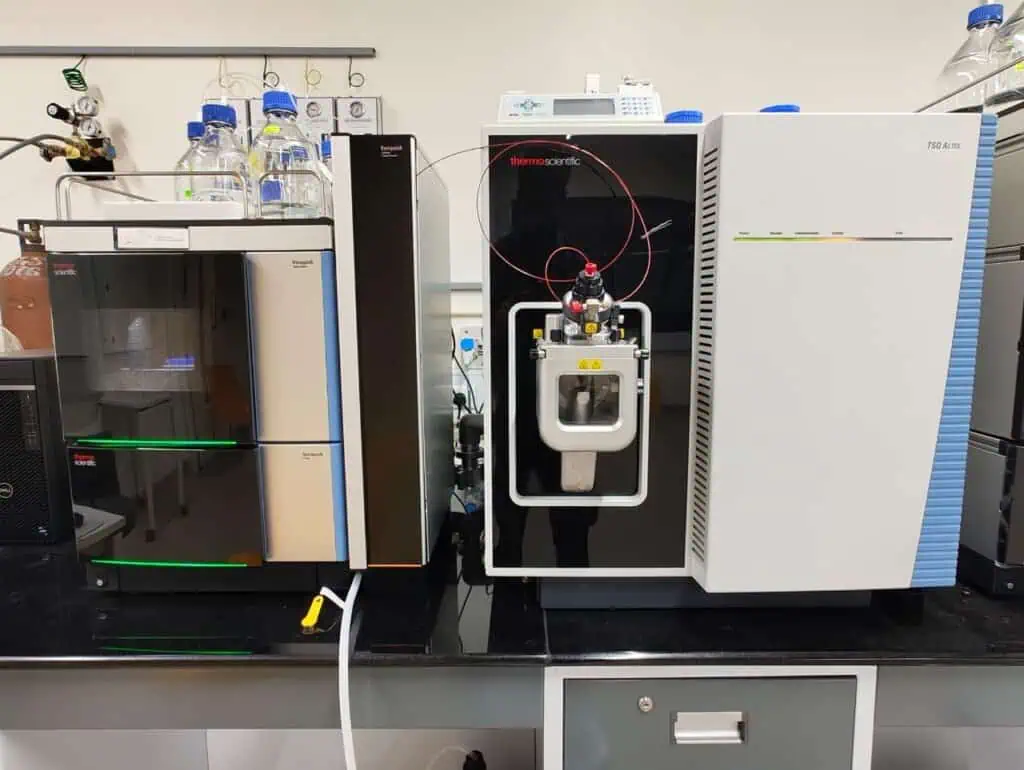
The Mass Spectrometry Facility provides advanced analytical capabilities for the identification, characterization, and quantification of biomolecules and small molecules across diverse research areas. The facility houses an Orbitrap Fusion Lumos Tribrid Mass Spectrometer coupled with both Vanquish UHPLC and Vanquish Neo Nano Flow LC, supporting high-resolution untargeted metabolomics, lipidomics, intact protein analysis, and advanced bottom-up proteomics through both Data-Dependent Acquisition (DDA) and Data-Independent Acquisition (DIA) workflows. Complementing this is a TSQ Altis Triple Quadrupole Mass Spectrometer coupled with a Vanquish UHPLC, enabling highly sensitive and robust targeted quantification of small molecules. The facility offers comprehensive support in experimental design, method development, data acquisition, and data analysis, enabling high-quality research across multiple disciplines.
Ashoka–ZEISS Core Imaging Facility
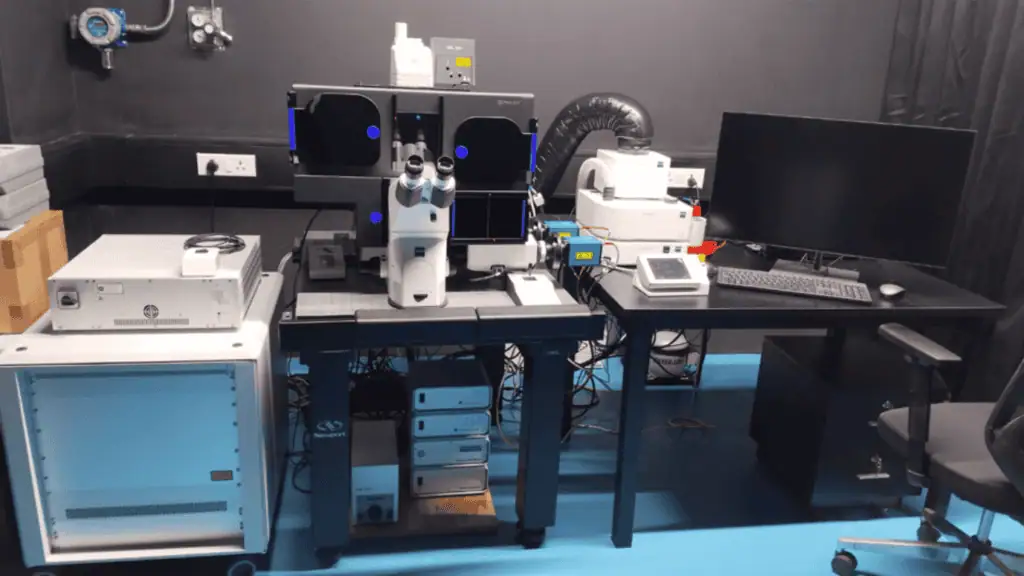
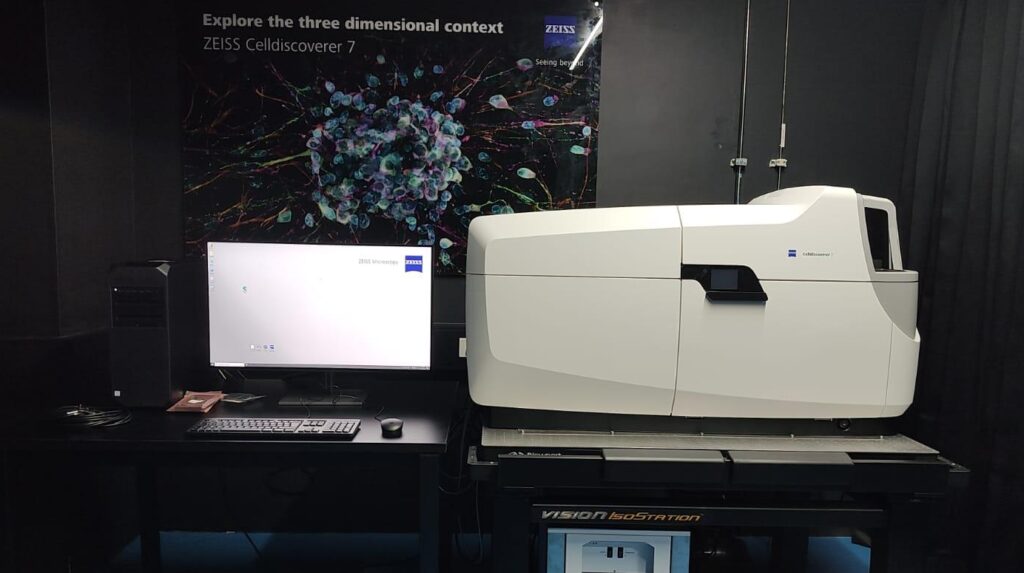
The Ashoka–ZEISS Core Imaging Facility is a state-of-the-art research facility established through a strategic partnership between Ashoka University and ZEISS to advance microscopy and bioimaging research in India. Designed as a multidisciplinary shared research laboratory, it provides researchers with access to world-class imaging technologies for investigating biological systems across multiple spatial and temporal scales.
Lab B04 houses an advanced suite of ZEISS imaging platforms, including the LSM 980 with Airyscan 2, LSM 900, Elyra 7 with SIM² super-resolution microscopy, Cell Discoverer 7, and Lattice Lightsheet 7. Together, these technologies enable high-resolution confocal imaging, super-resolution microscopy, live-cell imaging, automated imaging, and volumetric imaging for applications across the life sciences and related disciplines.
Beyond supporting research, the facility serves as a national centre for advanced microscopy training through initiatives such as the Professional Course in Advanced Microscopy (PCAM), jointly delivered with the ZEISS Academy. By integrating cutting-edge imaging technologies with expert technical support and interdisciplinary collaboration, Ashoka-ZEISS Core Imaging Facility provides researchers with a comprehensive platform for advanced bioimaging, strengthening Ashoka University’s research infrastructure and fostering innovation in the life sciences.
Infosys Advanced Chemical Biology Laboratory 1
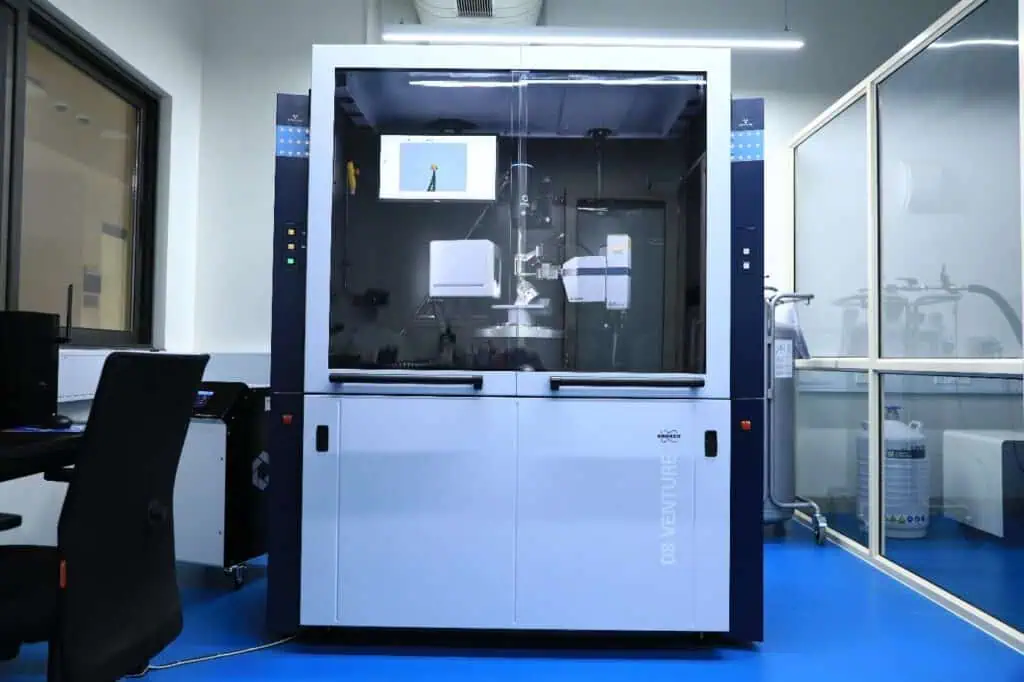
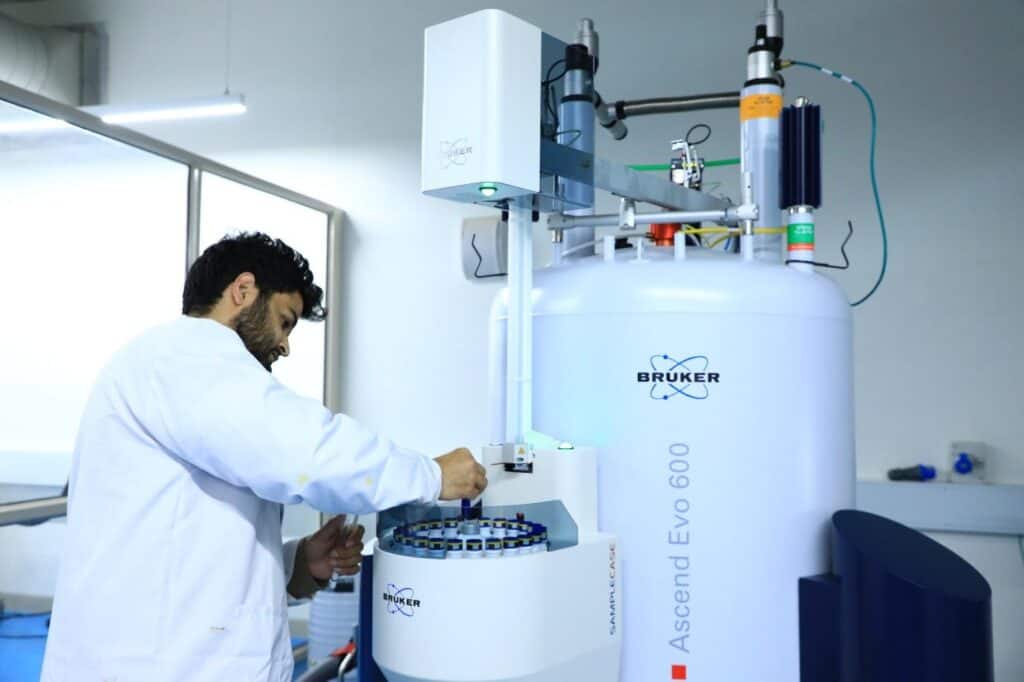
The Infosys Advanced Chemical Biology Laboratory 1 is a state-of-the-art research facility established with the generous support of the Infosys Foundation to strengthen Ashoka University’s capabilities in molecular characterization and structural biology. Designed as a multidisciplinary shared research laboratory, it provides researchers with advanced analytical technologies for studying the structure, composition, and properties of chemical and biological systems.
The Infosys Advanced Chemical Biology Laboratory 1 houses the Bruker AVANCE NEO 600 MHz Nuclear Magnetic Resonance (NMR) Facility and the Bruker D8 VENTURE Single Crystal X-ray Diffraction (SC-XRD) Facility. Together, these platforms enable high-resolution molecular characterization, structural determination, crystallographic analysis, and validation of newly synthesized compounds, supporting research across chemistry, chemical biology, pharmaceutical sciences, materials science, and related disciplines.
Infosys Advanced Chemical Biology Laboratory 2
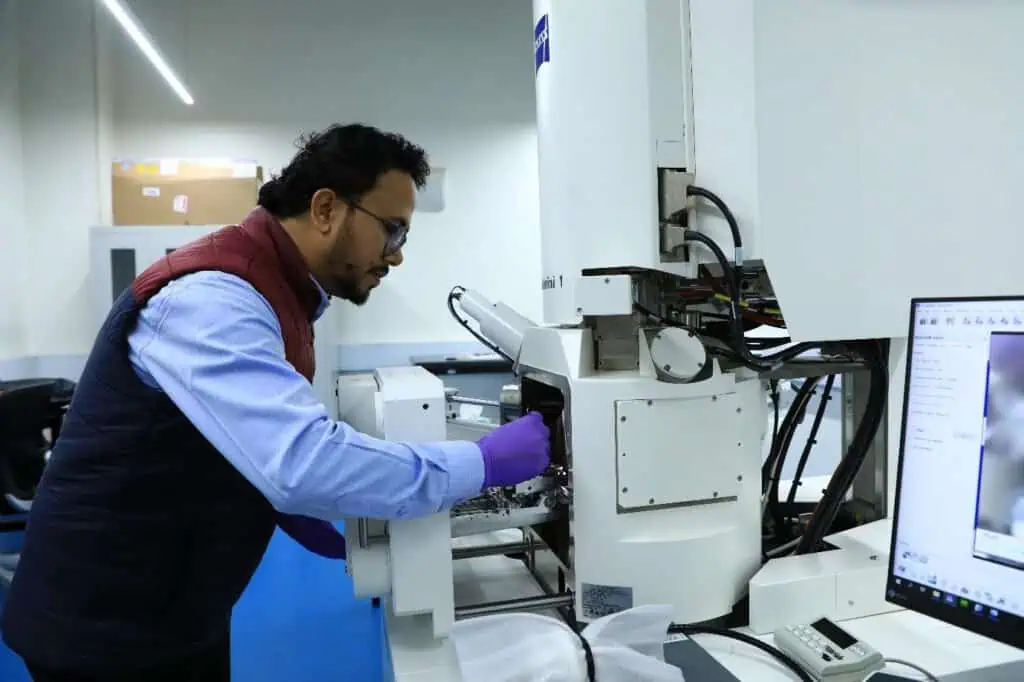
The Infosys Advanced Chemical Biology Laboratory 2 (Lab B05) is a state-of-the-art research facility established with the generous support of the Infosys Foundation to advance Ashoka University’s capabilities in imaging, spatial biology, and molecular research. Designed as a multidisciplinary shared research laboratory, it integrates complementary technologies that enable researchers to study biological systems across multiple spatial scales, from nanoscale ultrastructure to tissue-wide molecular organization.
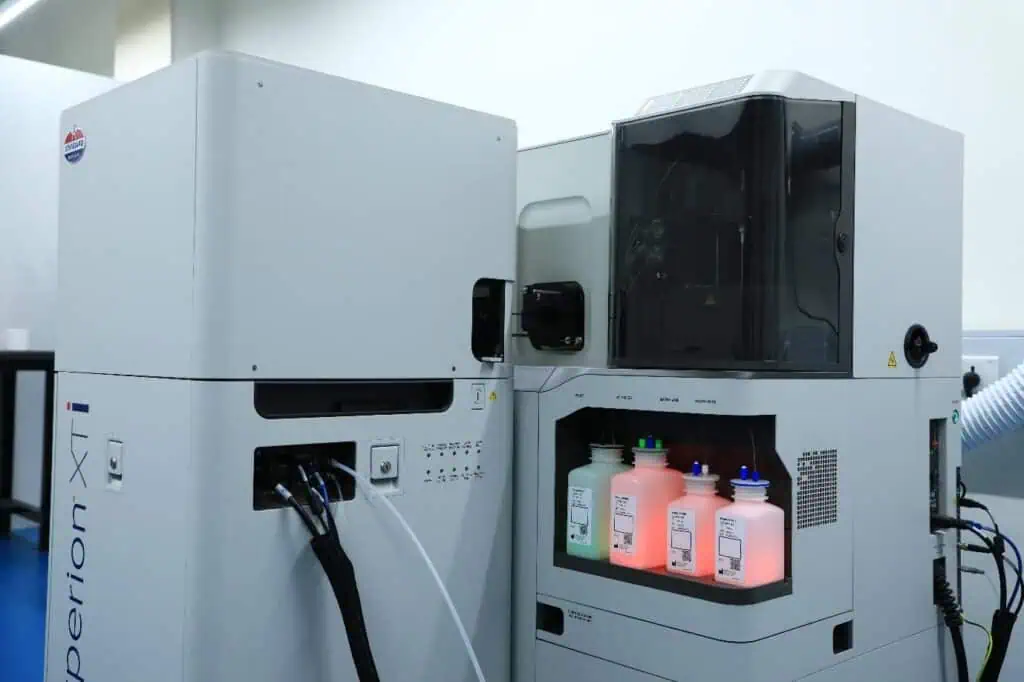
Lab B05 houses the ZEISS GeminiSEM 360 Field Emission Scanning Electron Microscope (FESEM), the Imaging Mass Cytometry (IMC) Facility, and the Spatial Genomics Facility. The IMC Facility is equipped with the Standard BioTools Hyperion™ XTi and CyTOF® XT platforms for highly multiplexed spatial protein analysis at single-cell resolution. The Spatial Genomics Facility features the Vizgen MERSCOPE® Ultra platform, enabling high-resolution spatial gene expression analysis within intact tissues.
Real Virtuality Lab
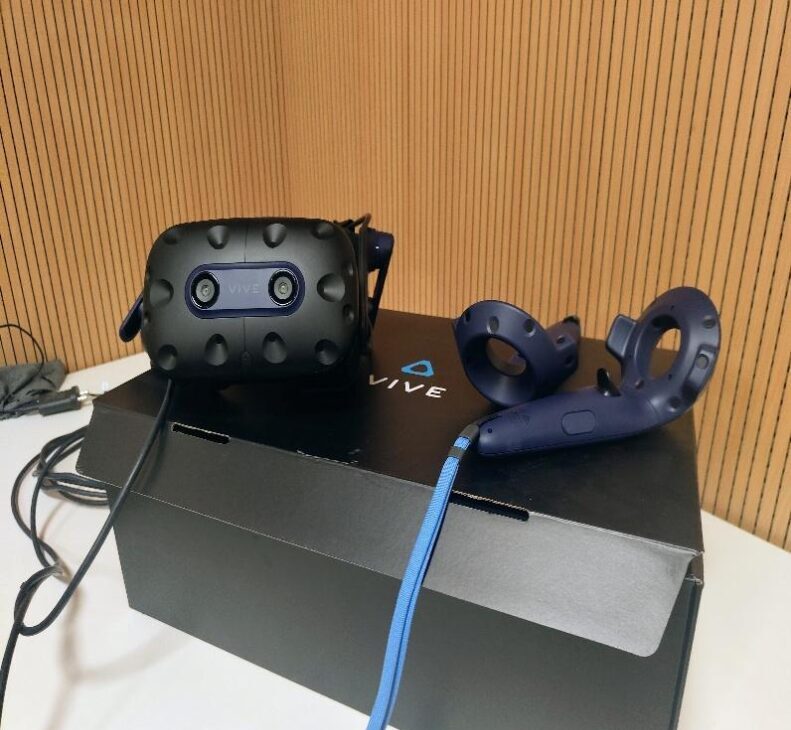
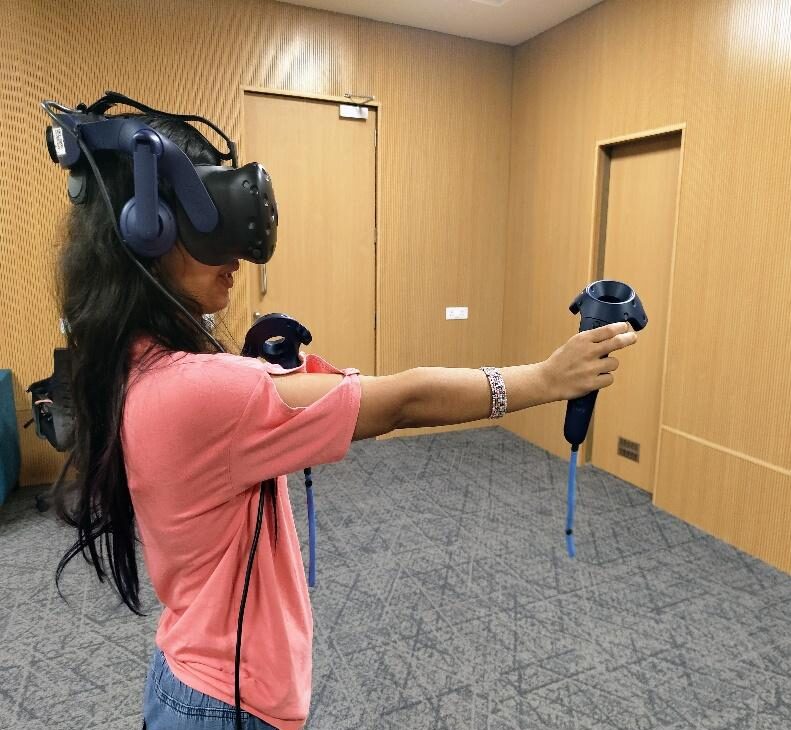
The Real Virtuality Lab is equipped with cutting-edge VR/ER technology (HTC Vive), motion tracking, eye tracking (Tobii), and wearable physiological measurement devices (Polar, Shimmer, etc.). In an era of increasing virtualization, the lab investigates its cognitive and clinical implications, explores physiological and cognitive changes in mental health conditions such as depression within naturalistic paradigms, and delves into philosophical questions about virtualization and the concept of self in virtual avatars.
Human Physiology And Wearables Facility
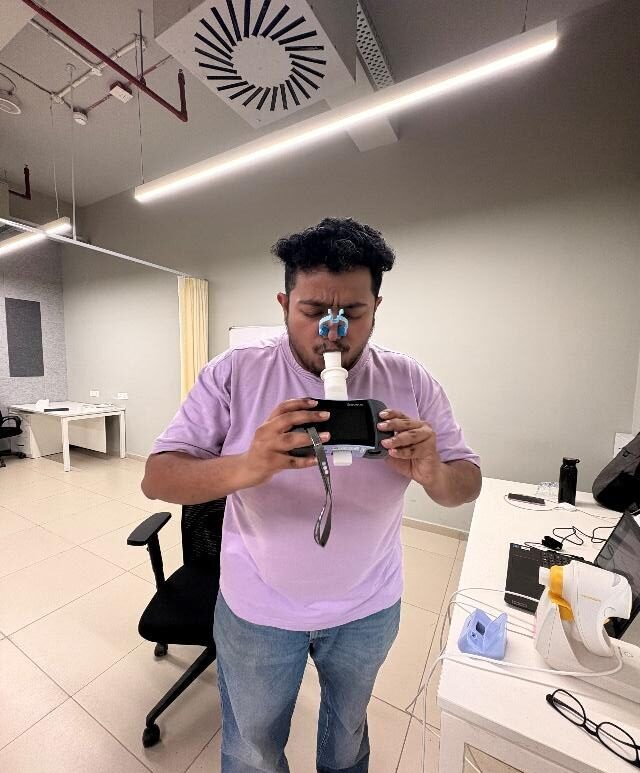
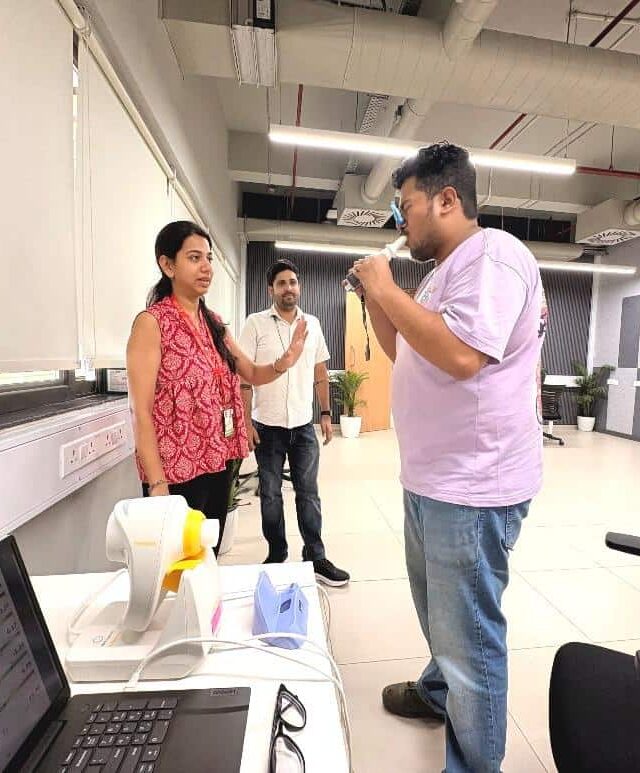
Ashoka University is pioneering a digital-first health cohort that explores how diet, physical activity, sleep, stress, and environmental exposures shape individual well-being. Bringing together students and staff in a uniquely diverse campus community, the initiative captures a rare cross-section of lifestyles and physiological responses across age groups. Participants undergo detailed baseline assessments, including anthropometry, lung function, body composition, and muscle strength testing, followed by continuous monitoring using smart wearables, continuous glucose sensors, respiratory and air-quality trackers, and a custom dietary-tracking app. This rich, longitudinal dataset enables researchers to uncover patterns linking lifestyle choices to physiological outcomes, paving the way for personalized, evidence-based health recommendations. The project also aims to build Ashoka’s own campus food composition database, supporting healthier choices across university outlets. Beyond individual insights, the cohort seeks to identify early markers of health transitions, empower participants with personalized lifestyle feedback, and lay the foundation for a scalable model of community health promotion. This cohort is supported by the Koita Centre for Digital Health-Ashoka (KCDH-A) and collaborators. The project reflects Ashoka’s commitment to advancing personalized, community-driven health science.
Biosafety Facility
The Cell Culture Facility is a dedicated, controlled-environment laboratory engineered to support standard and primary cell culture operations under stringent aseptic conditions. Operating under Biosafety Level 2 (BSL-2) and BSL-2+ standards at Ashoka University. The facility supports extensive research with clinical, non-clinical, and insect cell lines.
Green House/Polyhouse
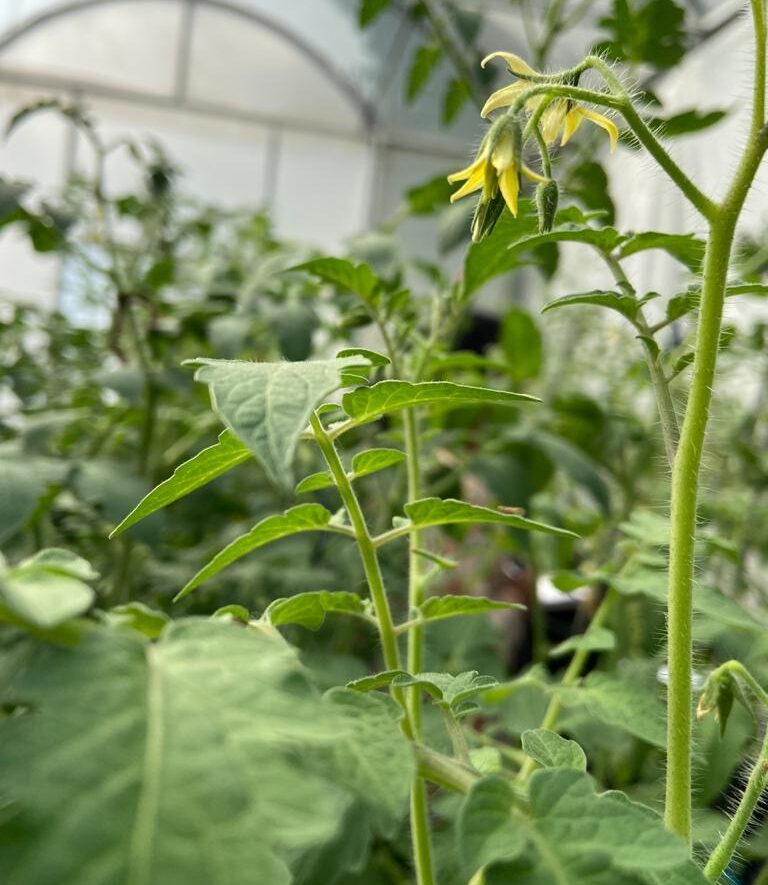
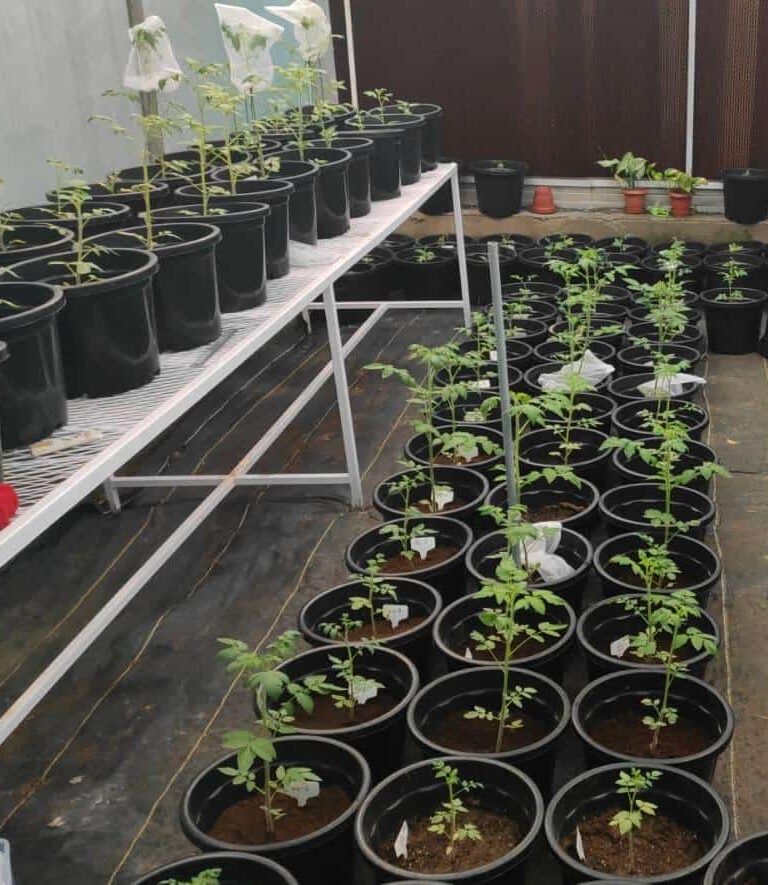
The greenhouse facility is an essential resource for plant biology research, providing a controlled environment for maintaining pure or modified plant lines. Its fan-and-pad polyhouse design uses evaporative cooling to maintain a stable microclimate, minimizing exposure to pests and diseases and enabling year-round plant cultivation.
Evolutionary Immunology Facility
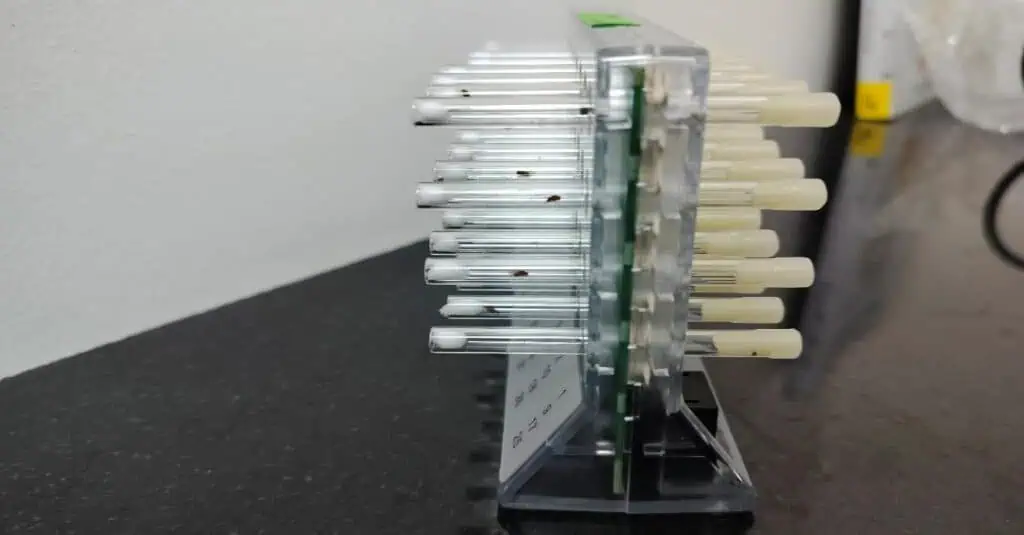
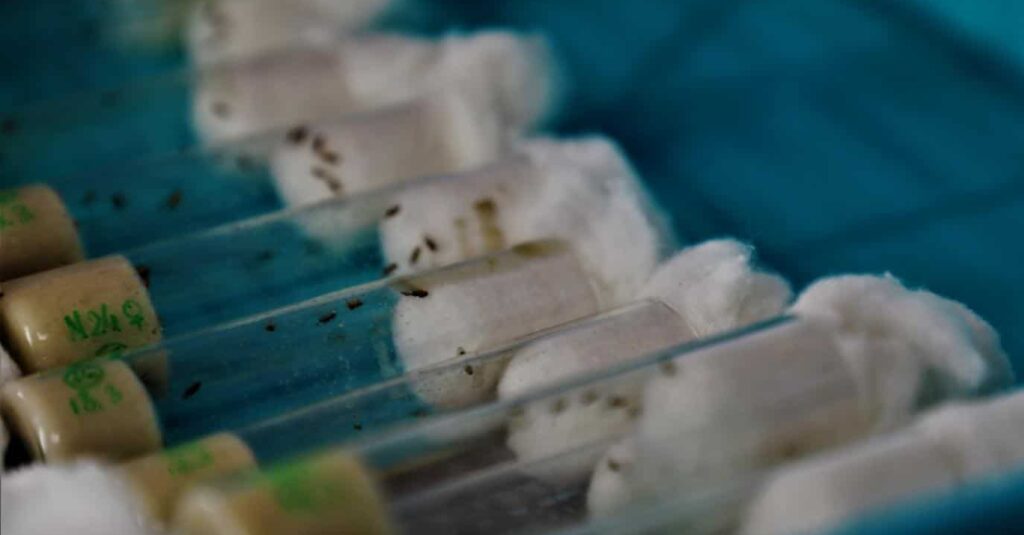
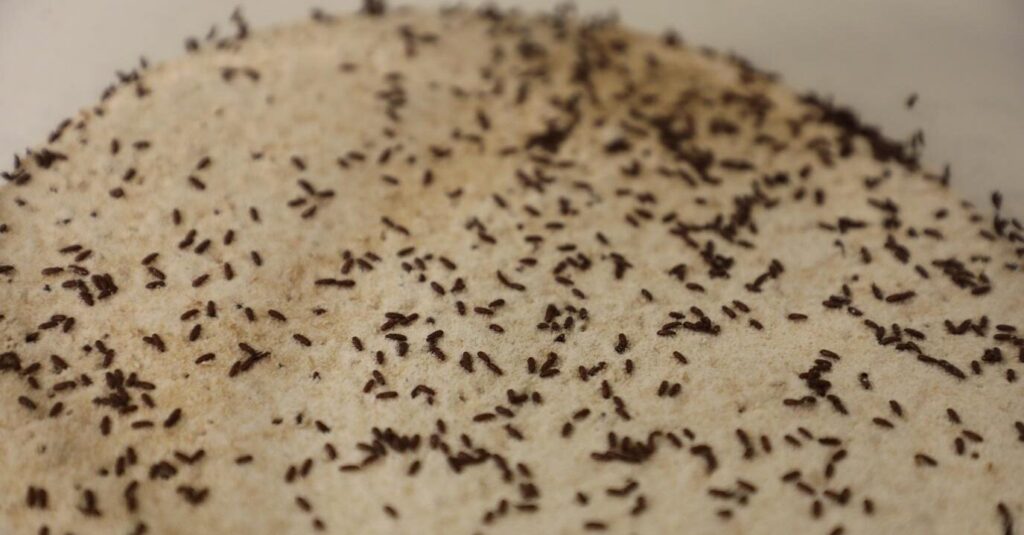
Ashoka University’s Evolutionary Immunology facility is the first of its kind in India, providing laboratory infrastructure and collaboration opportunities to study how complex immune systems evolve and adapt through interdisciplinary research methods, including experimental evolution, theoretical modelling, population biology, and advanced genomics. The facility houses natural and lab-adapted outbred populations of insect models such as Drosophila melanogaster, Tribolium castaneum, and Tenebrio molitor, maintained under climate-controlled conditions. It is also equipped for large-scale infection experiments with insect pathogens. Additionally, by hosting researchers interested in the macroevolution of vertebrate immunity, this facility complements Ashoka’s clinical research efforts, creating a comprehensive ecosystem that links basic evolutionary origins to biomedical research.