








Transformation Of Lived experience And Knowledge of heat, Agriculture and depRession in India (TOLAKARI)
Background and Rationale
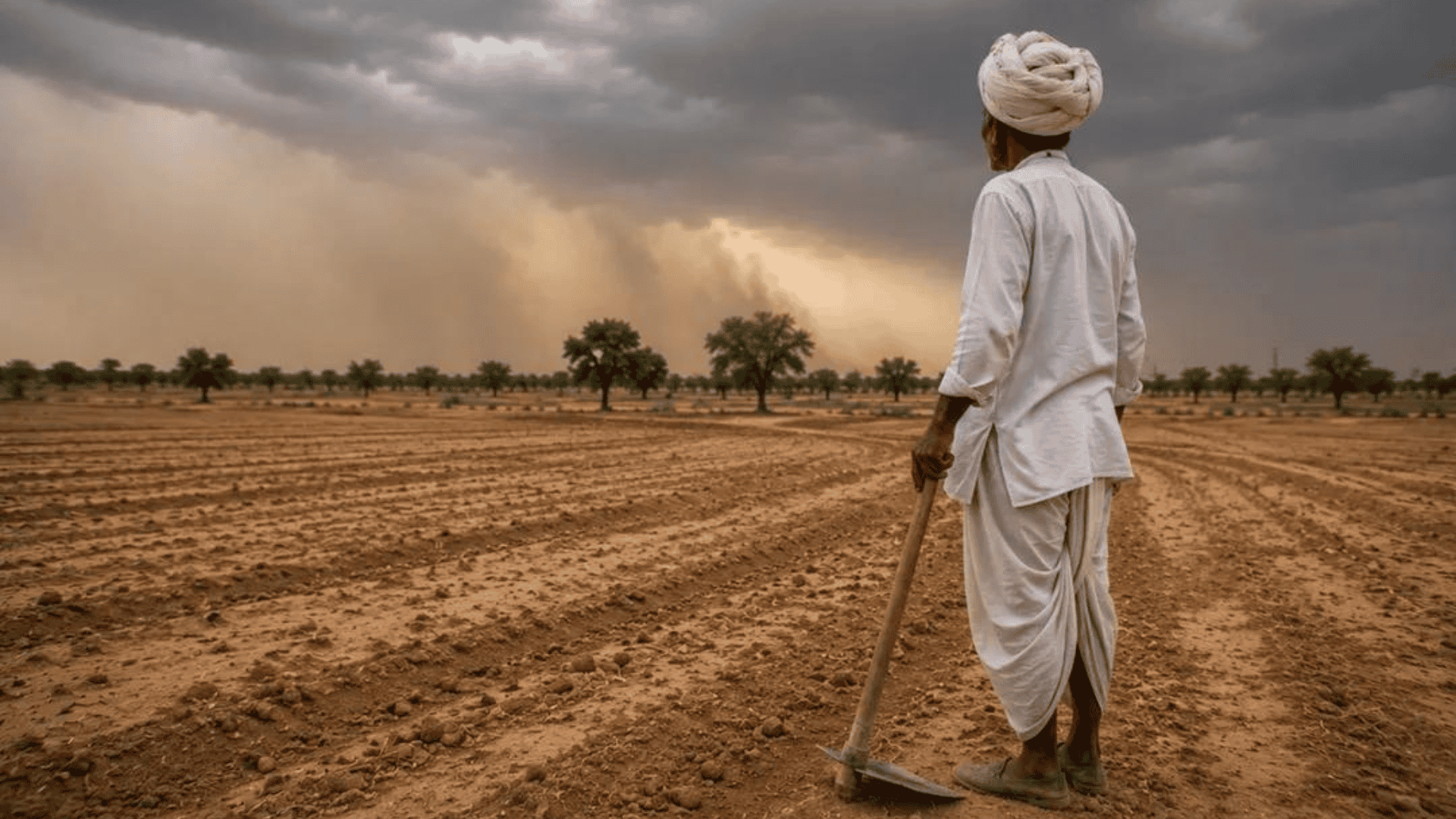
Depressive disorders are the leading contributor to years lived with disability globally. Farmers and farm workers are among the highest-risk occupational groups for depression, particularly in low- and middle-income countries. In India, rising temperatures linked to climate change have been associated with increased farmer distress and suicide, especially during cultivation seasons. However, existing studies focus almost exclusively on suicides and crop-yield–income pathways, leaving major gaps in understanding how heat affects depression more broadly and through multiple causal mechanisms.
Evidence from the BLOOM study, a large cluster-randomised evaluation of agricultural households in Andhra Pradesh, shows a higher prevalence of depressive symptoms among farming households compared to national averages, alongside high levels of indebtedness and income vulnerability. Importantly, household incomes are increasingly diversified beyond crop cultivation, highlighting the need to examine non-yield-related pathways linking heat and mental health. Potential mechanisms include reduced work capacity, sleep disruption, food insecurity, alcohol use, financial stress, and social factors.
Besides, there is limited evidence on how interventions can be adapted to explicitly address heat-related mental health risks while remaining acceptable and community-owned.
Aim/Study Objectives
The TOLAKARI (named after the Telugu word for the first monsoon rain that breaks the summer heat) study aims to determine the relative importance of different causal pathways linking heat and depression among farmers and farm workers in India, and to pilot a community-co-developed intervention that addresses these pathways.
Research Questions
- How do farmers and farm workers conceptualise the impact of heat on depression in the Indian context?
- What is the quantitative relationship between heat and depression, and which behavioural, economic and social factors mediate this relationship?
- Can existing community mental health interventions be adapted to incorporate heat-related impacts while maintaining acceptability and effectiveness?
Methods and Work Packages
TOLAKARI employs a mixed-methods, community-engaged design across four work packages:
- WP1: Community-Based Participatory Research: Transect walks and body mapping exercises will explore community understandings of heat, space, livelihoods, and depression, ensuring local conceptualisations inform all subsequent study phases.
- WP2: Secondary Data Analysis – Data from the BLOOM study will be linked with high-resolution weather data to quantify associations between heat exposure and depression (PHQ-9), and to examine mediating pathways such as income, food insecurity, sleep, and social factors.
- WP3: Community Co-development of a Pilot Intervention -Through a series of participatory workshops, communities willostakeholders will identify priority causal pathways and co-design intervention components, fostering ownership, relevance, and sustainability.
- WP4: Cluster Randomised Pilot Trial – A two-arm parallel cluster-randomised pilot trial will assess feasibility, recruitment and retention, preliminary changes in depression (PHQ-9) and anxiety (GAD-7), and variation in effectiveness related to heat exposure and other mechanisms. Qualitative data will capture lived experiences of participants, trainers, and implementers.
Expected Contributions
TOLAKARI will generate novel evidence on how heat affects depression among agricultural populations in India, moving beyond suicide-focused and yield-only explanations. By centring community knowledge and co-developing interventions, the study will inform scalable, climate-sensitive mental health strategies that are contextually grounded and policy-relevant.
Team Members
Research Professor (Adjunct), Biology
Director, CHART and The Varma Centre for Planetary Health, Ashoka University
Ph.D. University of Bristol
Senior Research Scientist, CHART, TSB, Ashoka University
Ph.D. ICMR- National Institute of Occupational Health (affiliated from the Gujarat University)
Senior Research Associate, CHART, TSB, Ashoka University
Master of Environmental Science (MESc), Yale University
Research Partners
1. University of Edinburgh
- Lindsay Jaacks
- Sumeet Jain
- Angus Macbeth
- Simon Tett
- Nadine Seward
- Bharath Yandrapu
- Zhongyi Hu
2. National Institute Mental Health and Neurosciences (NIMHANS).
- Anish V Cherian
- Arya Thirumeni
3. University of Hyderabad
- Nanda Kishore
- Harish Shilpi
- Sreenu Panuganti
4. Centre for Sustainable Agriculture
- Divya Velguri
- Shloka Uchil
5. Lived Experience Panel Members
- Myaka Latha
- Malleswari
- Sangavva Basappa Kamatagi
- Sanju
- Gummadi Praveen
Progress so far
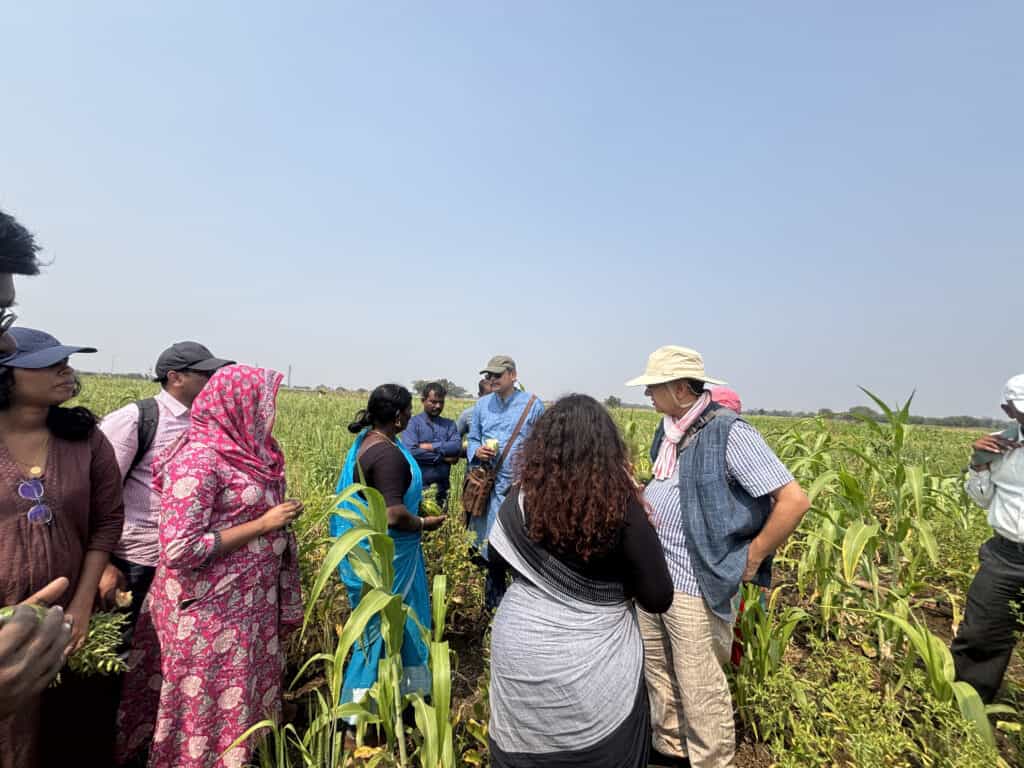
Pre consultations for launch:
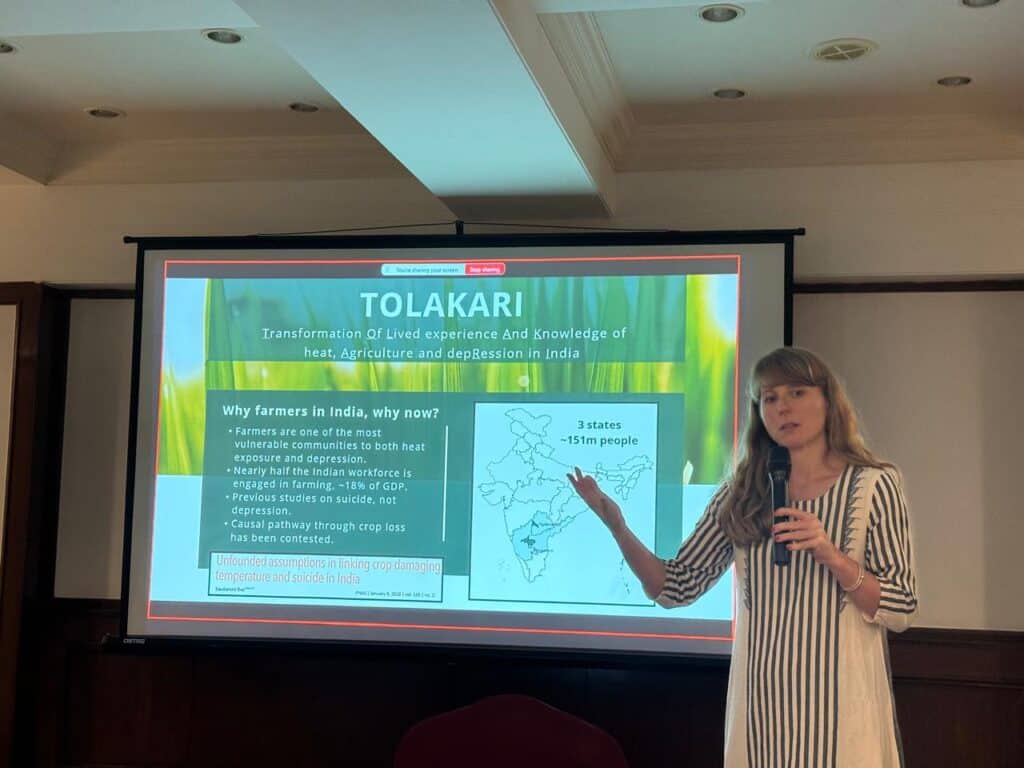
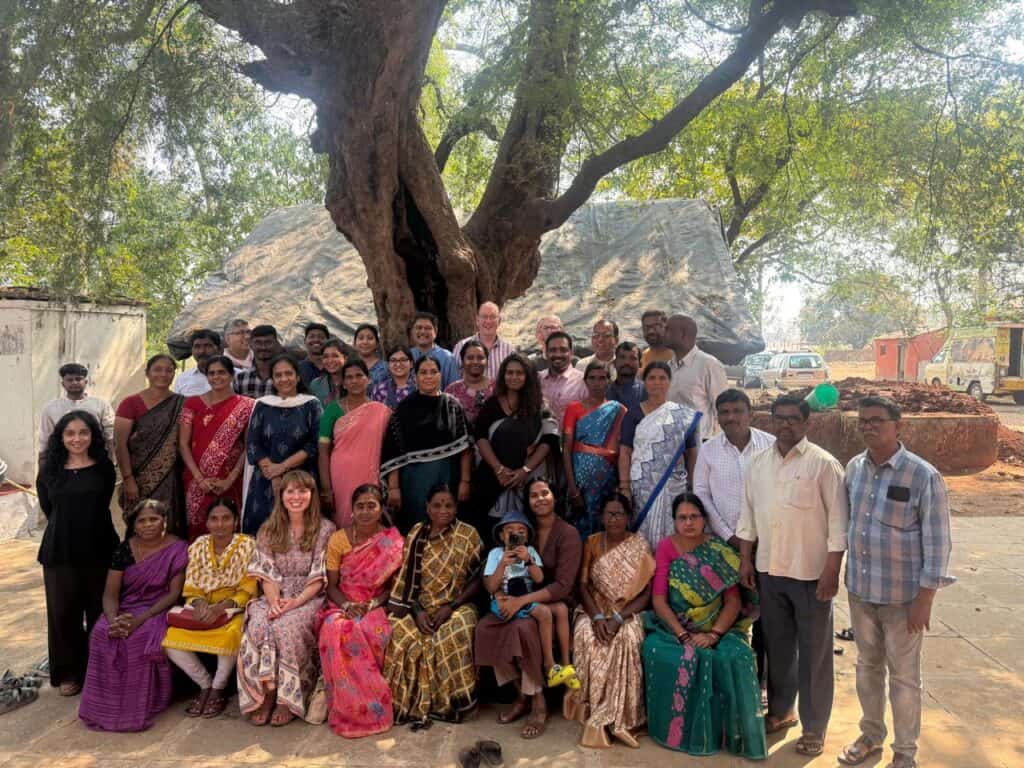
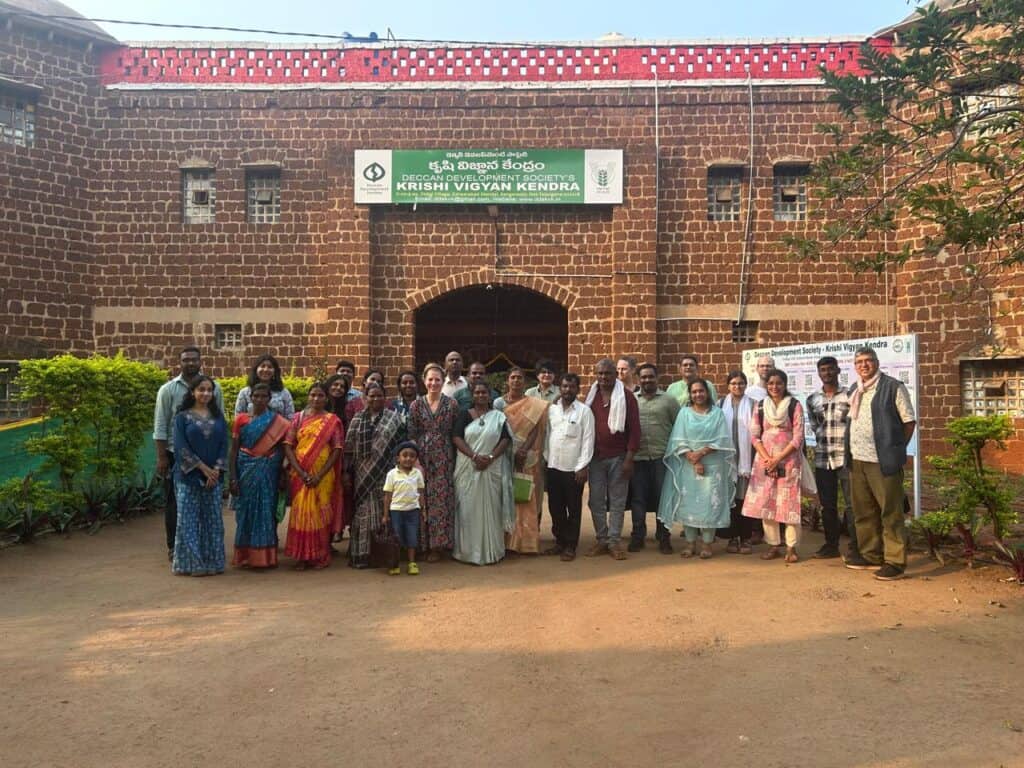
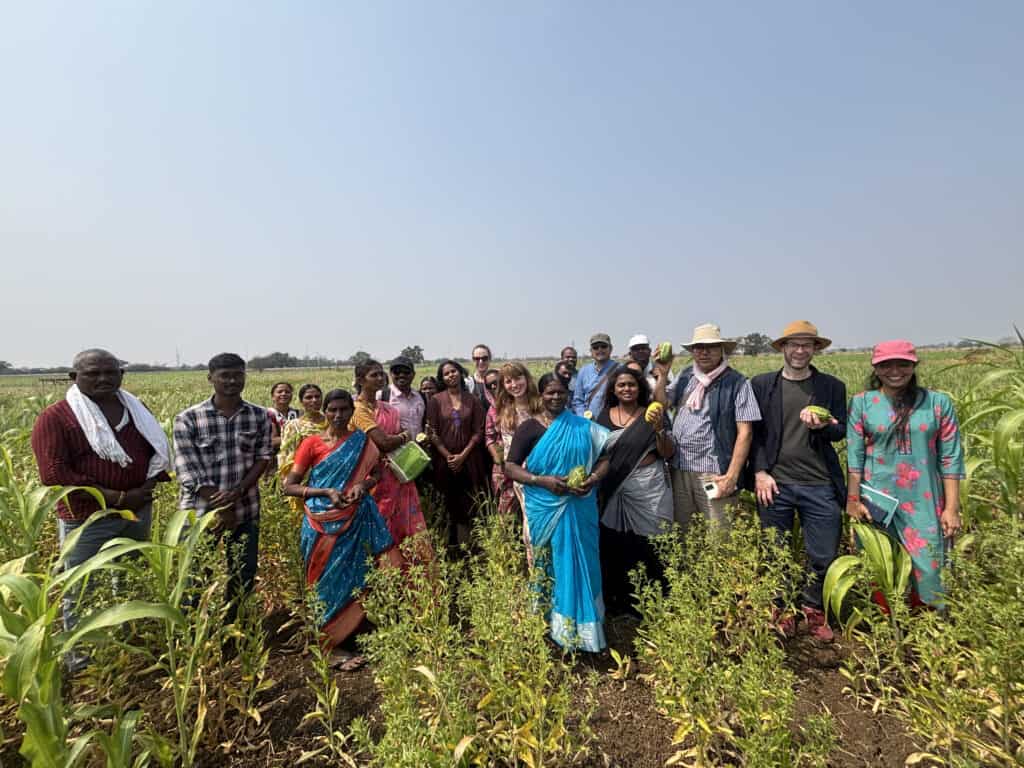
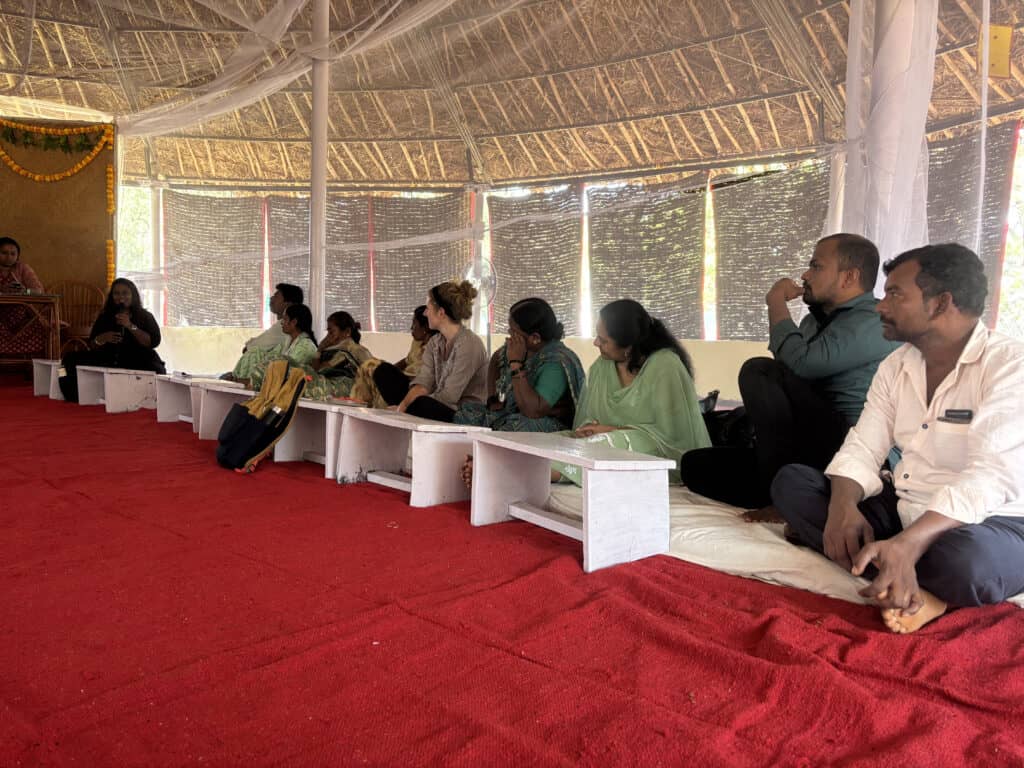
As a precursor to the launch, a pre-consultation workshop was organised at the Deccan Development Society (DDS) in Sangareddy district, bringing together researchers and members of the Lived Experience Panel to strengthen the TOLAKARI research. Researchers from the Ashoka University, University of Edinburgh, University of Hyderabad, NIMHANS, and Mariwala Health Initiative came together to discuss the study’s objectives, approaches, and opportunities for further strengthening the research. Members of the Lived Experience Panels from all three study sites also participated, bringing valuable field-level perspectives and lived experiences of distress. Their insights helped ground the research in the realities of agricultural communities and ensured that the study remains responsive to the experiences, priorities, and needs of the communities it seeks to benefit.
Stakeholder engagement
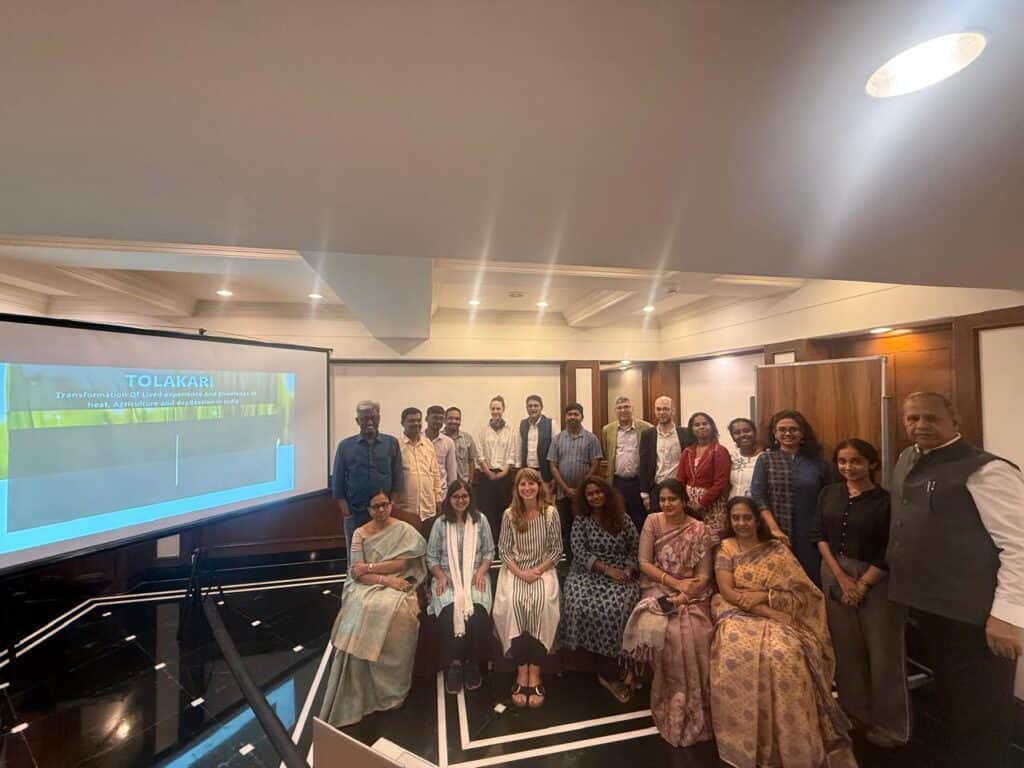
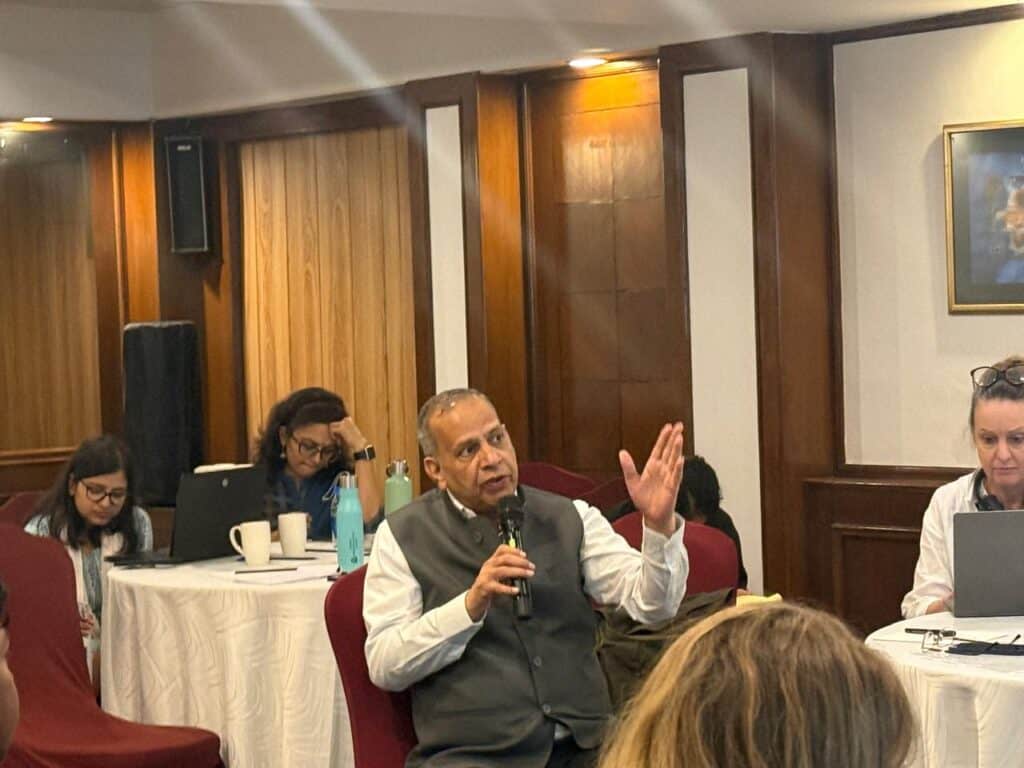
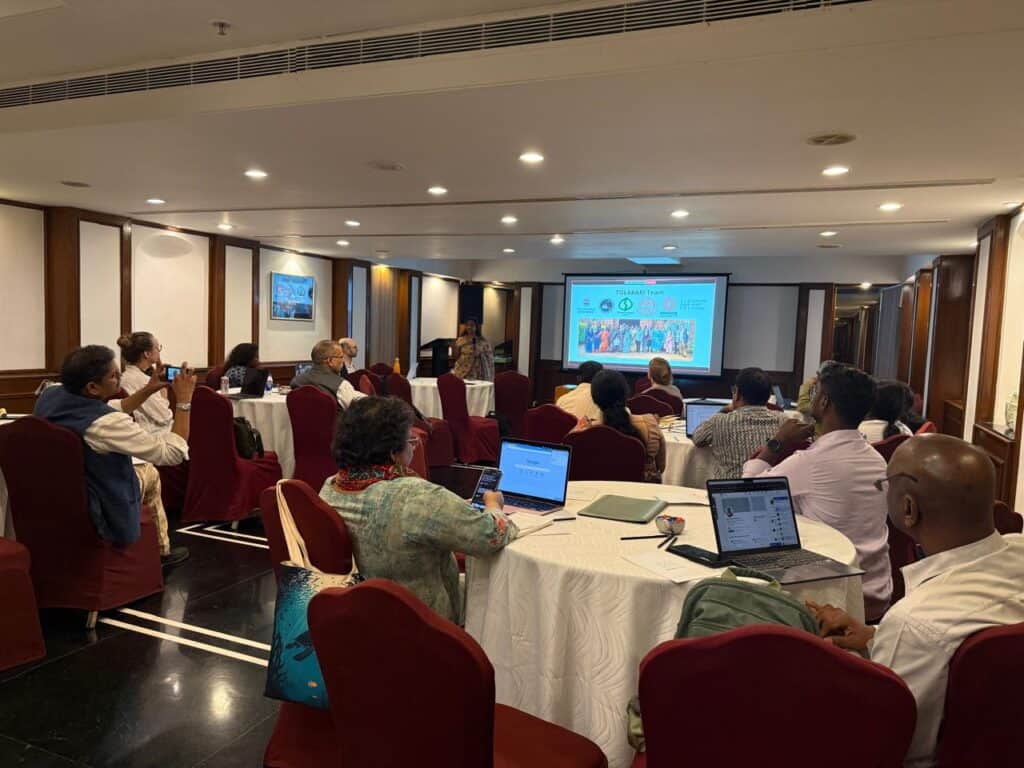
As part of the stakeholder engagement process, we invited individuals working across mental health, climate change, health and nutrition, and agriculture to contribute to the development of the TOLAKARI study. A stakeholder meeting was held in Hyderabad to discuss the emerging discourse on heat stress and mental health among farmers in India and to gather perspectives from diverse fields. Stakeholders provided valuable insights into the proposed research, including its relevance, scope, and potential areas for strengthening, with the aim of ensuring that the study is responsive to the needs and experiences of the communities it seeks to benefit.
