





A multi-scalar, stakeholder focused investigation of the health co-benefits of climate change mitigation strategies, backed by empirical research interventions in India
A multi-scalar, stakeholder-focused investigation of the health co-benefits of climate change mitigation strategies, backed by empirical research interventions in India. The project generates evidence at national, city, and rural community levels, engaging government and community stakeholders throughout, to fill critical gaps in the evidence linking India’s climate mitigation pathways to public health outcomes.
Lead Institutions

Ashoka University (ACPET & CHART), C40 Cities, Harvard T.H. Chan School of Public Health
Project Team

Research Professor (Adjunct), Biology
Director, CHART and The Varma Centre for Planetary Health, Ashoka University
Ph.D. University of Bristol
Senior Research Scientist, CHART, TSB, Ashoka University
Ph.D. ICMR- National Institute of Occupational Health (affiliated from the Gujarat University)

Research Scientist, CHART, TSB, Ashoka University
Ph.D. in Environmental Engineering, IIT Madras

Senior Research Associate, CHART, TSB, Ashoka University
PhD Academy of Scientific and Innovative Research (AcSIR), India

Senior Manager-Programs and Capacity Building, CHART, TSB, Ashoka University
Bachelor’s degree in Philosophy Honours, Lady Shri Ram College, New Delhi.

Consultant, CHART, TSB, Ashoka University
Funding Agency
Wellcome Trust
Project Duration
January 2026 – December 2030
Project Overview
SCALE-IT will fill evidence gaps and inform equitable, health-centered climate mitigation policies in India. The project’s analysis spans national, city, and rural community levels, explicitly engaging diverse government and community stakeholders across each scale. Its objectives are to:
- Evaluate the health and socio-economic co-benefits of climate mitigation strategies in India at national and sub-national levels
- Produce evidence-based tools and recommendations for policymakers, practitioners, and communities
Key Work Packages
WP1 (ACPET, Ashoka University) Developing an AI/ML model to relate emissions to PM2.5 levels and assessing the associated disease burden — including COPD, ischemic heart disease, and stroke — in the context of India’s Net Zero 2070 goals.
WP2 (C40 Cities) Bottom-up modeling for Delhi and Chennai to chart pathways toward 2050 Net Zero targets, through urban grid decarbonization and behavioral change analysis.
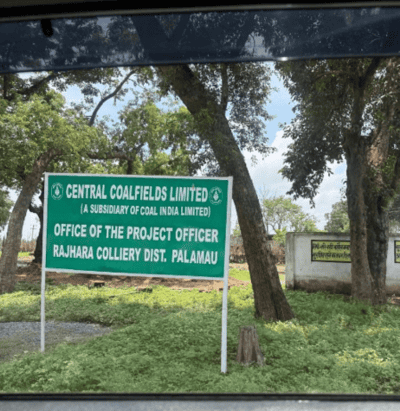
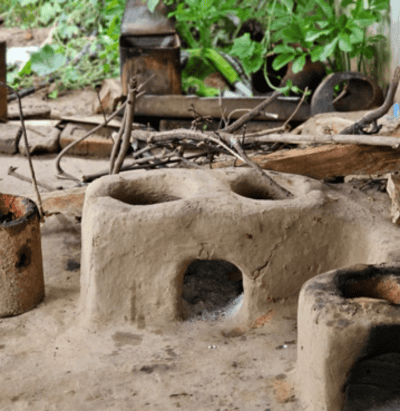
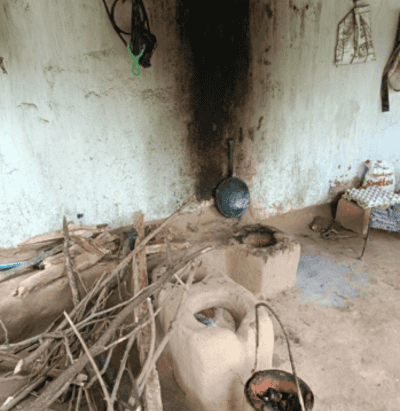
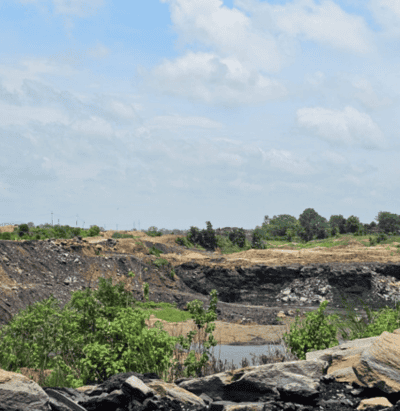
WP3 (CHART, Ashoka University, with Harvard T.H. Chan School of Public Health) A 48-month feasibility study in Rajhara, Jharkhand, testing whether financial incentives — including purchase discounts and replacement warranties — can increase the adoption and sustained use of induction cookstoves in a coal-mining community that relies heavily on biomass fuels for cooking. The study measures induction cookstove uptake and usage, changes in indoor air quality (particulate matter, carbon monoxide, and volatile organic compounds), and changes in inflammatory, cardiometabolic, and respiratory health among adults. WP3 adopts a community-based intervention approach to generate evidence on the health co-benefits of clean cooking transitions, and on how financial support can accelerate adoption of cleaner cooking technologies in coal-dependent communities — evidence intended to inform policies that integrate public health into India’s clean energy transition.