Other links:


Other links:




Dive into the Future of Tech!
Embark on a futuristic journey with YSP Tech, Data & Computer Science (TDCS), a comprehensive, certified, 10-day, residential programme tailored for high-schoolers, from grades 9,10, 11 & 12, eager to navigate the dynamic world of cutting-edge Technologies, Data and Computer Sciences. YSP TDCS offers a hands-on approach, guiding students from foundational coding and computational thinking to advanced topics such as Artificial Intelligence (AI), Machine Learning (ML), and Robotics. The programme is spread across 2 weeks to build on fundamentals and deep dive into the ever expanding applications of tech and data sciences. Students can stay on Ashoka campus during the weekend between the 2 weeks and attend insightful workshops, fun activities, documentary screening and sports sessions.
This program delves into innovative and expanding fields such as machine learning, deep learning, natural language processing, cybersecurity, computer vision, blockchain, robotics, AI, and data science. It also emphasizes the integration of these disciplines with other domains, encouraging an interdisciplinary approach that helps to create and innovate impactful solutions for real-world problems.
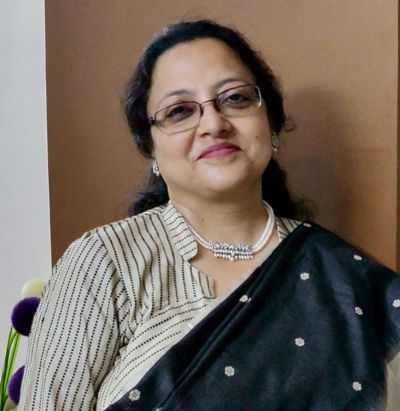
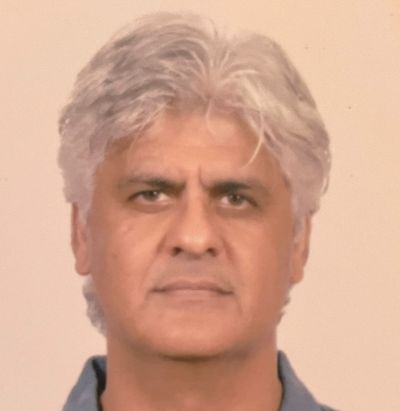
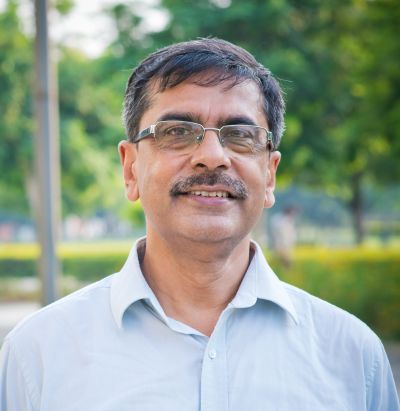
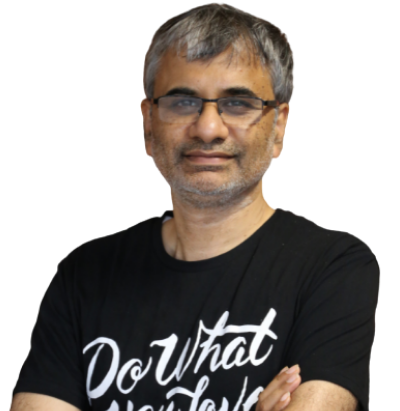
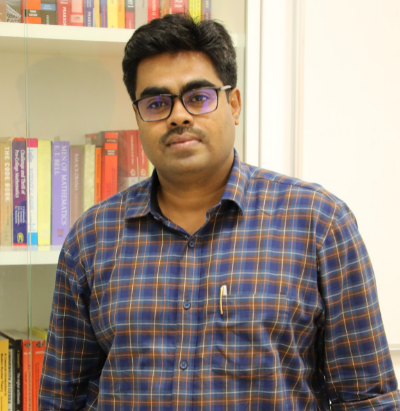
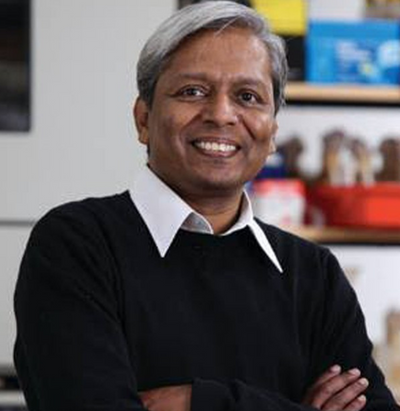
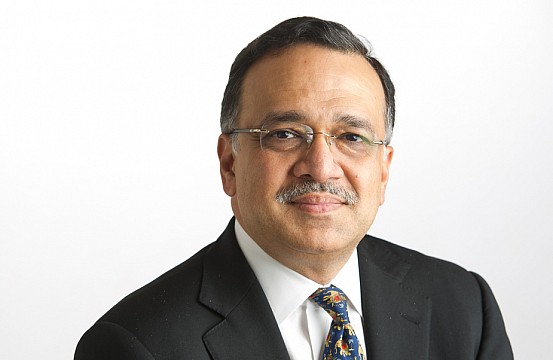
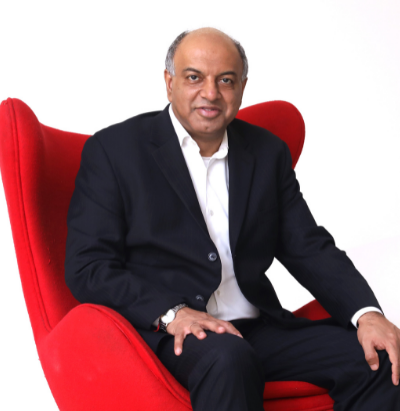
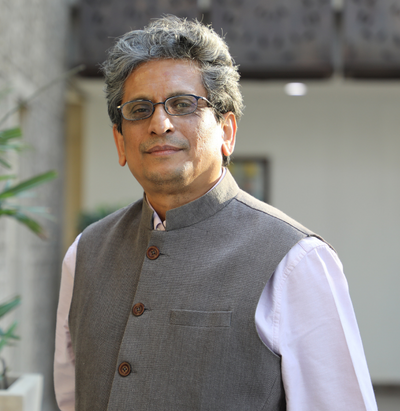
They will also develop a nuanced view on the relationship between technology and society and attend sessions on ethics & AI, deep fakes & privacy and debates on security and surveillance. Experts and leading academicians such as Prof Subhashis Banerjee, Prof Partha Pratim Das, Prof Partha Chakraborty, Prof Debayan Gupta and Prof Sandeep Sen will conduct faculty seminars and introduce students to the most relevant knowledge in TDCS.
Combining conceptual and hands-on knowledge at YSP TDCS
Throughout the programme, young scholars will dive into how algorithms are deeply embedded in the everyday technologies they use. They will explore how Uber adjusts its surge pricing based on real-time data, automatically raising prices during high-demand periods to match available drivers. Similarly, they will study how platforms like Amazon analyse user behaviour and shopping habits to determine the products customers are most likely to engage with, or how Netflix curates lists of shows and movies tailored to individual viewing patterns. These real-world examples will help students grasp the broader concept of algorithm-driven decision-making, and how it constantly shapes our experiences with technology, from transportation to entertainment to e-commerce.
Automating Everyday Tasks
Students will also learn how automation simplifies everyday life by tackling repetitive or complex tasks, such as using AI-powered cameras in zoos to automatically differentiate and track animals based on species, movement patterns, and behaviour. These systems not only assist zookeepers in monitoring animal health and habitats but also contribute to research and conservation efforts. Such examples will illustrate how automation works behind the scenes to handle decision-making processes that would be difficult or impossible for humans to manage manually at scale—a concept applied across industries, from finance (automated trading) to customer service (chatbots) and healthcare (automated diagnostics). Students will also explore how AI-powered assistants like Siri, Alexa, and Google Assistant use algorithms to process natural language, respond to commands, and even learn from user behaviour. By understanding the underlying technology behind these devices, students will see how AI can automate and improve daily tasks, from setting reminders and controlling smart home devices to conducting internet searches and playing music. This leads them into discussions about natural language processing (NLP), speech recognition, and the future potential of AI in creating more intuitive and adaptive systems.
Predictive Systems and Personalised Experiences
In their day-to-day lives, students often encounter predictive algorithms in systems like Spotify’s music recommendations or YouTube’s suggested videos. These systems use large amounts of data to predict what users want to see or hear next. Students will learn how these algorithms work, gaining a deeper understanding of concepts like machine learning, where systems improve their predictions over time based on user interactions. By delving into these predictive technologies, students will also see how data analytics drives many of the personalisation features they take for granted in social media, online shopping, and streaming services.
Ethical Challenges in Everyday Tech
While learning about these technologies, students will also critically examine the ethical issues that accompany them. For instance, they will engage with discussions on data privacy—how platforms like Instagram or TikTok collect and use user data to target ads—and the potential for surveillance in these systems. They’ll also consider the broader implications of AI-driven decision-making, including fairness and bias in algorithms used by financial institutions to grant loans or by hiring platforms to screen job applicants. These real-world scenarios will give students a well-rounded view of the ethical responsibilities that come with developing and deploying powerful technologies.
Healthcare and Automation
In healthcare, students will explore how automation and AI are transforming diagnostics. They will examine how wearable technologies like Fitbit track health metrics such as heart rate, sleep patterns, and physical activity, generating vast amounts of data that can be used to enhance well-being. Furthermore, they will learn about the use of AI in early disease detection, such as how algorithms are used to identify cancer at early stages through medical imaging. These examples show students how data science and automation are not just limited to business but are actively improving quality of life and making life-saving impacts in sectors like healthcare.
Beyond academic enrichment, YSP TDCS offers a holistic college experience. Scholars reside in student dormitories, savor meals at Ashoka’s diverse dining facilities, engage in sports activities and activities such as Talent Night, Networking Night, Quizzes, Debates and so on. Our scholars forge lasting bonds with like-minded peers from across India and the globe. It’s an immersive journey into the world of technology, data sciences and computer sciences, fostering curiosity, collaboration, and innovation.
Hands-on projects at YSP TDCS
Beyond these sessions, our young scholars get to have a face-off with these transformative tools where they engage in hands-on live experiential projects in our MakerSpace Labs sessions. These workshops provide scholars the opportunity to apply emerging technologies, turning labs into innovation hubs by building AI bots, utilizing 3D printing, building games, designing visual reality experiences, developing bioinformatic tools, developing tech that operates through solar power, or modeling data for good. From understanding the algorithms behind your favorite streaming recommendations to exploring the vast potential of IoT, the learning journey is both diverse and exhilarating.
By the end of YSP TDCS, students will be equipped with a profound understanding of the tech landscape, ready to innovate and lead in the digital age.
As with all YSP programmes, we emphasize a holistic experience, blending academic rigor with cultural, sports, and social enrichment, encapsulating the essence of a comprehensive college experience.
Career Pathways – TDCS
In a world defined by algorithms, automation, and data-driven systems, careers emerge at the intersections of computer science, data, engineering, and society, shaping industries as diverse as healthcare, finance, entertainment, and climate science. YSP TDCS prepares young scholars for this dynamic future, with opportunities across domains such as:
YSP TDCS cultivates creativity, rigorous inquiry, and cross-disciplinary perspectives, enabling students to evolve from passive engagement with technology to active roles in defining the digital future.
Early application deadline: March 8, 2026.
Limited seats. Apply early to secure your seat.
Stay tuned for updates on the upcoming cycle, follow us on social media and check our website for announcements.
Connect with us: LinkedIn | Instagram
Knowledge:
Skills:
Attitude:
Application:
The YSP TDCS programme covers a broad spectrum of topics, encouraging students to investigate the latest advancements in technology and their real-world applications. Scholars will explore how AI can be leveraged to revolutionize personalized education, examining questions like: How can algorithms adapt to individual learning styles? and What role does AI play in assessing student progress and delivering tailored feedback? The programme also delves into how data science transforms industries, asking how companies use machine learning to forecast trends and improve efficiency.
Students will grapple with critical questions about privacy and data security, such as: How do AI systems balance the need for innovation with protecting personal data? They will investigate the role of robotics in automation, considering how smart machines can collaborate with humans in dynamic environments. Ethical dilemmas are a constant theme, prompting students to question: What responsibilities do developers have when building autonomous systems, and how can AI be designed to minimize unintended societal impacts? These topics and questions will challenge scholars to think critically, encouraging a thoughtful and forward-looking approach to technology’s evolving role in the world.
YSP TDCS days begin with engaging and thought-provoking faculty sessions that delve deep into the many fundamental questions around Data, Technology, and CS, and its allied disciplines and engagement with social sciences and other sciences. Students interact with the best, world-renowned Ashoka faculty and are introduced to the cutting-edge work they are engaged in.
As the day progresses, students proceed to the MakerSpace labs and work on capstone projects that immerse them in concepts like ethical hacking, 3D printing, AI bots development, data-set analysis, among many others.
A sample schedule for YSP TDCS is given below. (tentative schedule, subject to change)
YSP TDCS Programme Schedule1) What is The Young Scholars Programme: Tech, Data & Computer Science (TDCS)?
Embark on a futuristic journey with YSP Tech, Data & Computer Science (TDCS), a comprehensive, certified, 10-day residential programme. Offering a hands-on approach, YSP-TDCS guides students from foundational coding and computational thinking to advanced topics such as Artificial Intelligence (AI), Machine Learning (ML), and Robotics. Students will develop a foundation in computational thinking, understanding algorithms in everyday life, exploring the impact of algorithms on decision making to reverse engineering recommendation algorithms and explore data driven decision making systems.
2) Is YSP TDCS an online or offline programme?
YSP Tech, Data & Computer Science (TDCS) is an offline, residential programme and will be held in person at Ashoka University Campus in Sonipat, Haryana.
3) What is liberal arts and sciences education?
Liberal Arts & Sciences education celebrates discussion and debate in the classroom. A Liberal Arts & Science education focuses on providing critical thinking skills and multiple perspectives to students, which is considered an essential part of leading an ethical and purposeful life. Essentially, it incorporates breadth and depth across multiple disciplines.
4) Do we get a certificate for attending The Young Scholars Programme?
Yes, students will be given a certificate on successful completion of the programme, provided all sessions are attended and there has been desirable participation by the student. Upon receipt of your certificate, please save it securely for your use later on. However, if you happen to lose it, a second copy of the certificate will be provided which will be chargeable for a sum of Rs. 500/-
5) Will attending the programme increase my chances of getting admission to the undergraduate programme at Ashoka University?
Attending the programme will give you an insight on liberal arts & sciences education and the Ashoka pedagogy. This will surely help you with your undergraduate application form at Ashoka University. However, this does not guarantee admission to the Ashoka UG programme.
I’m from a very small town called Virudhunagar in Tamil Nadu, so I think it’s an immense pleasure for me to come to Ashoka from a very small city that’s even very hard to find on the map. Although I was nervous about adapting to such diverse backgrounds, the team and counselors made it easy and welcoming. The open, encouraging academic sessions helped me adapt quickly and now I am excited for what’s more to do during the programme.
In our batch, some people didn’t know Python yet, so the Makerspace started with the basic concepts of Python. So far, the first week has been about understanding Python deeply – why it’s necessary and how we use it. There have been debates, games, and fun activities like parcel heist. We get challenge cards, which aren’t required, but they really make you think. One was a puzzle heist, where we had to code instructions and find a passcode using different Python functions. It was really interesting and challenging.
I’ve been passionate about computer science since grade six, so when I found YSP through LinkedIn, it felt like the perfect opportunity to learn something new over the summer. One of the most exciting sessions for me was about submarine cables – I’d read about them before, but this session really deepened my understanding of how they’re built, managed, and connected globally. It was amazing to see how technology, policy, and global infrastructure come together. YSP has been a space for innovation, exploration, and real exposure to the tech world.